

There’s a quiet rebellion happening in the backyards of Canada’s suburbs, and it isn’t about the latest smart thermostat or a new streaming service. It’s about reclaiming the land right outside our doors and turning it into a living, breathing extension of our homes. I’m talking about the resurgence of community‑driven tool libraries and native‑plant restoration projects that are redefining what “home” looks like in the Great White North.
The Tool Library Movement: From Garage Clutter to Shared Power
For decades, the typical Canadian homeowner has stocked the garage with a hodgepodge of tools—an old drill, a battered hedge trimmer, a set of wrenches that haven’t seen daylight since the last snow shoveling season. Those items often collect dust while the same tasks could be tackled by a neighbour next door. Enter the tool library.
Think of a tool library as a hybrid between a public library and a community workshop. Members pay a modest annual fee, check out power drills, concrete mixers, or even a laser level, and return them ready for the next project. The model isn’t new—Toronto’s Tools for Tomorrow and Vancouver’s Tool Share Hub have been operating for years. What’s fresh, however, is the surge of hyper‑local chapters sprouting up in smaller towns, from Prince Edward Island to the Kootenays, where the need for shared resources is even more pronounced.
Why the boom now? A combination of rising housing costs, a growing awareness of the environmental impact of single‑use consumer goods, and a cultural shift toward collaborative consumption. The statistics are compelling: Canadians collectively own an estimated 1.2 billion tools, but less than 5 % of them see regular use. By centralising these assets, communities slash waste, lower the carbon footprint associated with manufacturing new equipment, and foster a spirit of neighbourly reciprocity.
Rewilding Your Yard: Native Plants as the New Backyard Staple
While the tool library provides the means, native‑plant restoration provides the purpose. Canada’s diverse ecosystems—from the boreal forests of Manitoba to the coastal rainforests of British Columbia—are home to a wealth of flora that thrives without constant watering, fertilising, or chemical pesticides. Yet, decades of suburban landscaping have favoured non‑native lawn grasses and ornamental shrubs that demand high maintenance.
Rewilding is the antidote. By planting species such as Solidago canadensis (Canada goldenrod), Echinacea purpurea (purple coneflower), and Betula papyrifera (paper birch), homeowners create habitats that support pollinators, birds, and beneficial insects. The result is a backyard that not only looks stunning across the seasons but also contributes to biodiversity corridors that stretch across municipalities.
Community groups are taking this a step further by organising “seed swaps” and “native plant nights.” Imagine a Saturday evening where neighbours gather in the park, swapping packets of heirloom seeds while sharing stories about the first time they saw a monarch butterfly land on their garden. The social glue of these events is as vital as the ecological benefits.
Marrying the Two: Tool Libraries Power Rewilding Projects
The synergy between tool libraries and native‑plant initiatives is where the magic truly happens. A typical rewilding project might need a rototiller, a set of hand pruners, or a small backhoe to remove invasive species—equipment that would be a hard purchase for an average homeowner. By borrowing from the tool library, residents can tackle large‑scale projects without breaking the bank.
Consider the case study from a small town in Nova Scotia that transformed a vacant lot into a “Pollinator Meadow.” The project began with a community meeting, followed by a coordinated effort to source tools, soil amendments, and native seed mixes. Over the course of two weeks, volunteers used library‑borrowed equipment to clear the site, shape gentle swales for water retention, and sow the seeds. Today, the meadow blooms with a tapestry of purple coneflowers, goldenrods, and black-eyed Susans, drawing in honeybees and providing a tranquil space for residents.
Economic Upside: From Hobby to Side‑Hustle
Beyond environmental stewardship, these grassroots movements are creating micro‑economies. Residents who become proficient in garden design, soil health, or tool maintenance can offer services to neighbours, turning a weekend hobby into a source of supplemental income. The tool library often provides discounted rates for members who want to rent out their own equipment, creating a circular economy that benefits both the individual and the community.
One entrepreneur in Calgary, for instance, started a “Garden‑to‑Table” subscription service after her tool library experience gave her confidence to tackle larger plots. Subscribers receive weekly boxes of fresh, organically grown produce harvested from community gardens, along with recipe cards and tips for sustainable cooking. The business model leans on shared tools, communal land, and the growing consumer desire for hyper‑local, traceable food sources.
Health Benefits: A Natural Extension of Micro‑Wellness Practices
Working with soil, planting seedlings, and maintaining a garden are physical activities that qualify as micro‑wellness habits. Studies show that even 15 minutes of gardening can lower cortisol levels, improve mood, and boost immune function. In Canada’s long winter months, the anticipation of spring planting can provide a psychological anchor, a sense of purpose that carries through the colder season.
Communities are capitalising on this by hosting “Wellness Walks,” where participants stroll through local rewilded spaces, learning about plant identification while practicing mindfulness. These events are often paired with short, guided stretches or breathing exercises, reinforcing the link between nature and mental health.
Technology Meets Tradition: Digital Platforms for Coordination
While the core of the movement is tactile and earthy, technology plays a supporting role. Mobile apps allow members to check tool availability in real time, book reservation slots, and receive maintenance reminders. Meanwhile, online forums and social media groups serve as knowledge hubs where novices can ask seasoned gardeners about pruning techniques or the best time to sow native wildflowers.
Interestingly, the same principles that drive zero‑waste kitchen practices—reducing waste, maximising resource efficiency, and fostering community—are being mirrored in these garden and tool initiatives. The digital layer simply amplifies the reach and coordination, ensuring that tools are circulated efficiently and that planting schedules align with local climate data.
Overcoming Barriers: Funding, Liability, and Inclusivity
Every emerging model encounters obstacles. Funding is often the first hurdle; while many municipalities are eager to support sustainability projects, budget constraints can limit the initial capital needed for tool acquisition or land preparation. Creative financing solutions—such as crowdfunding campaigns, corporate sponsorships, or grant applications through the Canadian Heritage Fund—have proven effective.
Liability concerns also surface. To mitigate risks, many tool libraries require members to sign a simple agreement outlining responsibility for damage or loss. Additionally, offering short training workshops on equipment safety not only reduces accidents but also builds confidence among participants.
Inclusivity is another critical factor. Ensuring that tool libraries and rewilding projects are accessible to all demographics—including seniors, newcomers, and low‑income families—requires thoughtful outreach. Some communities have partnered with local libraries to host tool‑checkout stations within existing public spaces, reducing transportation barriers. Others provide free or discounted memberships for students and retirees.
Looking Ahead: Scaling the Model Nationwide
The momentum behind community tool libraries and native‑plant restoration is undeniable, but scaling the model across Canada’s vast geography will demand collaboration at multiple levels. Provincial governments can create standardised guidelines for tool‑library operation, while national NGOs can curate a repository of best practices and educational resources.
Imagine a future where every neighbourhood has a “Green Hub” that combines a tool library, a native‑plant nursery, and a communal workshop space. Such hubs could serve as incubators for sustainable entrepreneurship, educational programs for schools, and gathering points for cultural festivals celebrating Canada’s diverse ecological heritage.
Ultimately, the story we’re writing together is one of empowerment—empowering individuals to take control of their immediate environment, empowering communities to share resources responsibly, and empowering the planet to heal through collective action. As Canadians, we’ve always taken pride in our vast wilderness; now it’s time to bring a piece of that wilderness into our backyards, one tool and one seed at a time.

Related Posts

Year‑Round Backyard Oasis: Designing Canada’s Four‑Season Outdoor Haven
Learn practical strategies to create a backyard that thrives in every season— from winter fire pit... Read More

Micro‑Cabins: A Fresh Take on Canadian Living
Discover the rise of micro‑cabins in Canada—affordable, eco‑friendly homes that blend minimali... Read More

Hybrid Cabins: The New Frontier of Canadian Living
Discover why Canadians are swapping city apartments for hybrid cabins that blend high‑speed worksp... Read More
Top Posts

Wellness on the Move: Cruise and Bus Tours Redefined
Learn to turn any cruise or bus tour into a personal wellness retreat through mindful routines, community connections, and purposeful itinerary design, extendin...Read More
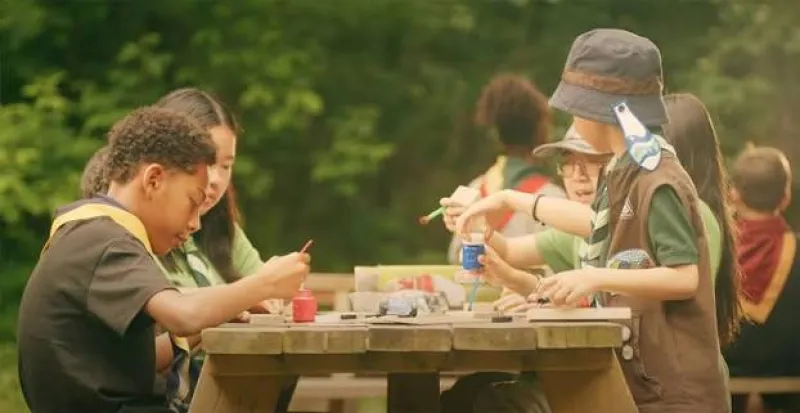
Scouts Canada Launches National Contest: Calling on Kids to Create Canada's Next Great Superhero!
OTTAWA, ON – June 3, 2025 /CNW/ – In a time when national pride is soaring and Canadians are showcasing their unique spirit, Scouts Canada, the coun...Read More

When Pixels Meet Palate: How Augmented Reality Is Reshaping the Dining Table
A deep dive into how augmented reality is changing the way we eat, offering transparency, engagement, and new revenue streams for restaurants, while keeping the...Read More

Rethinking Your Wallet: How Remote‑Work Hubs Are Redefining the Cost of Living
Explore how remote‑work hubs, shared living, and savvy financial moves can transform everyday expenses into real savings and a richer lifestyle....Read More
0 Comments
Post Comment
You will need to Login or Register to comment on this post!