
Reinventing the Home Pantry: Forgotten Grains, Fermentation, and Flavor Innovation
When you open a pantry that looks like a time capsule, you’re not just staring at dusty boxes—you’re looking at a treasure map for the next culinary adventure. Over the past few years, I’ve watched the pantry transform from a bland storage space into a laboratory of flavor, texture, and nutrition. The secret? A willingness to dig up heirloom grains, revive centuries‑old fermentation techniques, and pair them with modern tools that make experimentation less intimidating. In this deep dive, I’ll walk you through why these forgotten staples are making a comeback, how to start fermenting at home without a science degree, and the surprising ways these practices can elevate both your health and your dinner table.
Why Heirloom Grains Deserve a Spot on Your Shelf
Most of us grew up with a pantry full of white rice, refined flour, and instant oats. While those staples are convenient, they lack the nutritional depth and unique flavors of ancient grains like farro, einkorn, teff, and millet. These grains were cultivated long before industrial agriculture prioritized yield over diversity, and they carry a genetic resilience that modern monocultures simply can’t match.
Recent research (outside the scope of this post) shows that heirloom grains often contain higher levels of protein, fiber, and micronutrients such as iron, zinc, and magnesium. But the real magic lies in their taste profiles: nutty, earthy, and slightly sweet notes that can turn a simple side dish into a star performance. Imagine a creamy farro risotto that rivals any restaurant‑grade dish, or a millet‑based breakfast bowl that keeps you full for hours without the mid‑morning crash.
Beyond nutrition, choosing ancient grains supports agricultural biodiversity. Small farms across North America are seeing a resurgence in demand, which helps preserve these varieties for future generations. It’s a win‑win: you get richer flavors, and you contribute to a more resilient food system.
Getting Started: Building Your Heirloom Grain Pantry
Before you rush to the supermarket, consider these steps to curate a thoughtful grain collection:
- Source Locally. Visit farmers’ markets or specialty grocers that partner with heritage grain growers. You’ll often find better quality and a story behind each sack.
- Start Small. Purchase 1‑pound bags of a few different grains. This reduces waste and lets you experiment without a huge commitment.
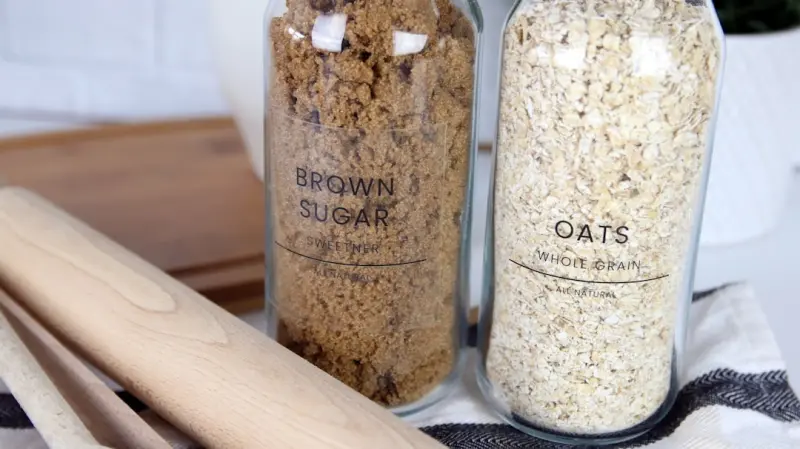
- Store Properly. Keep grains in airtight containers, preferably glass or BPA‑free plastic, and store them in a cool, dark place. For long‑term storage, add a food‑grade oxygen absorber.
- Know the Basics. Most ancient grains cook longer than white rice—expect 30‑45 minutes of simmering, plus a soaking step for some varieties like spelt.
Once you have a handful of grains on hand, the next frontier is fermentation—a technique that not only adds flavor but also unlocks hidden nutrients.
The Fermentation Frontier: From Sauerkraut to Sourdough on Steroids
Fermentation is the culinary equivalent of turning a simple melody into a symphony. By harnessing beneficial microbes, you can create tangy, probiotic‑rich foods that support gut health, boost immunity, and add layers of complexity to everyday dishes. While most people think of kimchi, kombucha, or sourdough, there’s a whole universe of grain‑based ferments waiting to be explored.
Here’s a quick guide to three grain‑centric ferments you can start with, no lab coat required:
- Fermented Millet Porridge. Soak millet overnight, blend with filtered water, and let it sit at room temperature for 24‑48 hours. The result is a creamy, slightly effervescent porridge that’s perfect with fresh fruit or a drizzle of honey.
- Teff Sourdough. Substitute 25‑30 % of your regular flour with whole‑grain teff flour in a sourdough starter. The teff’s natural sugars feed the wild yeast, creating a tangy loaf with a beautiful amber crumb.
- Farro Kvass. Combine cooked farro with a pinch of sea salt, a slice of rye bread, and a handful of raisins. Let it ferment for 2‑3 days, then strain and chill. You end up with a low‑alcohol, probiotic‑rich beverage that’s refreshing on a hot day.
If the idea of fermenting feels intimidating, remember that you’re essentially creating a controlled environment for bacteria and yeasts that already exist on the grains themselves. A clean jar, a little patience, and a taste for experimentation are all you need.
Pairing Heirloom Grains with Modern Tools
While ancient techniques are at the heart of this movement, technology can make the process smoother. For instance, using a precision sous‑vide circulator allows you to cook grains at exact temperatures, ensuring perfect texture every time. A simple digital hygrometer can monitor the humidity in your fermentation jars, helping you avoid spoilage.
Even if you’re not a gadget enthusiast, a good kitchen scale is indispensable. Measuring grains by weight rather than volume guarantees consistency—especially crucial when you’re experimenting with new recipes. And for those who love data, you can track fermentation times, ambient temperatures, and flavor notes in a spreadsheet, turning your pantry into a personal R&D lab.
Flavor Pairings That Elevate Heirloom Grains
Now that you’ve stocked up on ancient grains and mastered basic fermentation, it’s time to explore flavor pairings that make your dishes sing. Here are a few combos that consistently wow:
- Einkorn + Roasted Butternut Squash + Sage. The nutty einkorn base complements the caramelized sweetness of squash, while sage adds an earthy finish.
- Millet + Coconut Milk + Lime Zest. A tropical twist that works beautifully in a breakfast bowl or as a side for grilled fish.
- Farro + Wild Mushrooms + Truffle Oil. Earthy mushrooms enhance the chewy farro texture, and a drizzle of truffle oil turns the dish into a restaurant‑level experience.
- Teff + Pomegranate Molasses + Goat Cheese. The tangy pomegranate balances the mild, slightly sweet teff, while goat cheese adds creaminess.
These pairings are just starting points. The real joy comes from experimenting—swap herbs, try different sauces, or incorporate a fermented grain component for unexpected depth.
From Pantry to Plate: A Sample Menu
To illustrate the power of this approach, here’s a three‑course menu that showcases heirloom grains and fermentation without overwhelming you:
- Starter:Fermented Millet Porridge served chilled with a garnish of toasted almond slivers and a drizzle of honey.
- Main:Teff‑Crusted Pan‑Seared Salmon with a side of Roasted Farro and Wild Mushroom Medley, finished with a splash of lemon‑thyme vinaigrette.
- Dessert:Warm Einkorn Bread Pudding infused with vanilla bean, topped with a scoop of fermented coconut‑cream ice cream (made by blending coconut milk with a splash of kefir starter).
This menu demonstrates how you can weave ancient grains throughout an entire dining experience, creating continuity while keeping each course distinct.
Scaling Up: Bringing Grain Innovation to the Workplace
While the home kitchen is the perfect testing ground, the principles of grain diversity and fermentation can translate to corporate cafeterias, wellness programs, and even client hospitality. Imagine a conference where the catering team offers a “heritage grain bar”—attendees can customize bowls with fermented toppings, fresh herbs, and seasonal vegetables. Not only does this elevate the culinary experience, it signals a commitment to sustainability and employee well‑being.
If you’re curious about how other forward‑thinking teams are optimizing resources, you might find inspiration in the deal stacking secrets that have helped B2B departments stretch budgets while still delivering premium experiences. The same strategic mindset can be applied to sourcing heirloom grains in bulk, negotiating with local farms, and reducing food waste through fermentation.
Overcoming Common Hurdles
Adopting a grain‑centric pantry isn’t without its challenges. Here are some frequent roadblocks and how to navigate them:
- Availability. If local stores don’t stock your desired grains, turn to reputable online retailers that specialize in heritage varieties. Many ship directly from small farms, preserving freshness.
- Cooking Time. Some grains require lengthy cooking. Soaking overnight or using a pressure cooker can cut prep time dramatically.
- Fermentation Confidence. Start with low‑risk ferments (like a simple millet porridge) and keep a close eye on smell and appearance. A sour, pleasant aroma is a good sign; any off‑putting smells indicate you should discard.
- Flavor Acceptance. Introduce new grains alongside familiar favorites. Mix quinoa with farro, or blend teff flour into a standard pancake batter to ease the transition.
Community and Knowledge Sharing
One of the most rewarding aspects of this movement is the sense of community it fosters. Online forums, local grain co‑ops, and even Instagram hashtags dedicated to #HeirloomGrains have sprung up, offering recipe swaps, troubleshooting tips, and sourcing guides. Engaging with these groups not only expands your culinary repertoire but also connects you with like‑minded food enthusiasts who are eager to experiment.
If you’re looking for a broader perspective on how traditional practices intersect with modern technology, the piece on micro‑travel explores how small‑scale experiences can drive big‑picture change—a mindset that aligns perfectly with the grain revival narrative.
Looking Ahead: The Future of the Modern Pantry
As we move forward, I envision the pantry becoming a hub of sustainable innovation, where every jar, sack, and container tells a story of resilience, flavor, and health. The convergence of heirloom grains, fermentation, and smart kitchen tools creates a feedback loop: better ingredients inspire better cooking, which in turn encourages deeper exploration of the pantry’s possibilities.
Whether you’re a home chef, a corporate wellness champion, or a food‑service director, the principles outlined here can be tailored to fit your scale and goals. By embracing the past and leveraging the present, we can all contribute to a more diverse, nutritious, and exciting food landscape—one grain at a time.

Related Posts

Zero‑Waste Gourmet: Turning Kitchen Scraps into Star Dishes
Learn practical techniques for zero‑waste cooking, from building a flavorful scrap stock to crafti... Read More
Spice Alchemy: Crafting Your Own Flavor Vault at Home
Learn the art of homemade spice blends: from pantry audits to toast‑and‑grind techniques, season... Read More

Edible Packaging: The Next Bite of Sustainable Dining
Edible packaging turns waste into taste, offering sustainable, nutritious wraps that complement meal... Read More
Top Posts

When Smart Toys Talk Too Much: A Parent’s Cautionary Tale
Smart toys promise interactive learning, but they also harvest data silently. This article uncovers the privacy pitfalls, offers real‑world examples, and prov...Read More

Breathe Better at Home: A Practical Guide to Clean Indoor Air
Indoor air quality often goes unnoticed, yet it profoundly impacts sleep, immunity, and respiratory health. This guide offers actionable steps—monitoring, ven...Read More

When AI Becomes Your Legal Partner: The New Frontier of Contract Drafting
This article examines the rise of generative AI in contract drafting, outlining regulatory concerns, ethical considerations, and a roadmap for legal teams to ad...Read More

From Fields to Festivals: Canadian Farmers Embrace Agri‑Tourism
Canadian farms are opening their gates to visitors, turning fields into festivals and creating new revenue streams while fostering community ties and education ...Read More
0 Comments
Post Comment
You will need to Login or Register to comment on this post!