

When I walked into a downtown bistro last month and saw the chef scrolling through a tablet while a robot arm plated the starter, I realized the restaurant world is staging its own tech renaissance. It isn’t just about flashy gadgets; it’s a deep‑seated shift toward data‑driven decision‑making, subscription‑style revenue, and waste‑free operations. In this post I’ll unpack the three forces that are redefining how restaurants attract diners, design menus, and stay profitable in a market that rewards both speed and sustainability.
The Data‑First Kitchen: Turning Numbers Into Flavor
Restaurants have always relied on intuition—chefs taste, managers feel the pulse of the floor. Today, that intuition is amplified by real‑time analytics. Point‑of‑sale (POS) systems now capture every order, every modification, and every tip. When you layer in inventory tracking, labor scheduling, and social media sentiment, you get a 360° view of what truly drives profit.
Consider a midsize pizzeria that noticed a 12% dip in evening sales. By drilling into the data, the owner discovered that the “special” pizza of the week was consistently ordered only 30% of the time it was offered. The culprit? The ingredient cost had risen, squeezing margins, but the menu price remained static. With a simple price elasticity model, the owner adjusted the price by $1.50 and saw a 7% uplift in revenue without alienating diners.
Data doesn’t just fix problems; it creates opportunities. Predictive analytics can forecast foot traffic based on weather, local events, and even the performance of competing venues. Armed with that knowledge, a restaurant can schedule staff more efficiently, order just enough fresh produce, and launch targeted promotions when the forecast predicts a lull.
From Data to Dish: AI‑Powered Menu Engineering
AI is the quiet sous‑chef that’s reshaping menus across the globe. By analyzing sales data, ingredient costs, and even customer reviews, algorithms can suggest which dishes to keep, tweak, or retire. The result is a menu that maximizes contribution margin while keeping the culinary soul intact.
One boutique sushi bar partnered with an AI platform that flagged a low‑selling roll—its cost per plate was $4.80, but it only generated $6.00 in revenue. The AI suggested swapping a premium tuna portion for a more affordable fish, reducing cost to $3.20 and nudging the price up to $7.00. After the change, the roll’s profit contribution rose by 45% and diners praised the new flavor balance.
Beyond profit, AI can help chefs innovate responsibly. By feeding the system data on seasonal produce and sustainable sourcing, the algorithm can generate “green” dish ideas that align with a restaurant’s eco‑goals. This is where the Edible Packaging: The Quiet Revolution Changing What We Eat and Drink movement intersects with menu design—imagine a dessert that arrives in a biodegradable, edible bowl, reducing waste while delighting the palate.
The Rise of Subscription Dining
Think of Netflix, but for meals. Subscription dining models have exploded, offering diners a predictable price point for a set number of meals per week or month. For restaurants, the benefits are twofold: a steady cash flow and a deeper data reservoir on individual preferences.
- Predictable Revenue – A $199 monthly plan for three chef‑crafted meals guarantees $2,388 per customer annually, smoothing out the seasonal dips that plague many establishments.
- Customer Loyalty – Subscribers are more likely to become brand advocates, sharing their experiences on social platforms and reducing acquisition costs.
- Inventory Optimization – Knowing exactly how many meals to produce each week allows kitchens to source locally, reduce over‑ordering, and negotiate better rates with suppliers.
One urban café launched a “Coffee & Pastry” subscription: members receive a daily latte and a rotating pastry for a fixed fee. The café reported a 28% increase in average ticket size among subscribers, as they were more inclined to add an extra item during their visit. The model also opened doors to cross‑selling—offering exclusive cooking classes to members, further diversifying revenue streams.
Zero‑Waste Kitchens and the Edible Packaging Movement
Waste is the silent profit‑killer in the restaurant business. According to industry reports, the average restaurant discards 4–10% of its food inventory each month, translating to millions in lost revenue. Zero‑waste kitchens tackle this by rethinking everything from prep to plate.
First, the kitchen adopts a “nose‑to‑tail” philosophy: every ingredient part is utilized. Carrot tops become pesto, fish bones turn into broth, and over‑ripe fruit morphs into sauces. Second, technology assists—smart scales track waste weight in real time, triggering alerts when thresholds are breached.
Integrating The Secret Sauce of SaaS Bundle Discounts can accelerate this transition. Many SaaS providers now bundle waste‑tracking software with inventory management tools at a reduced price, making the tech stack affordable for independent eateries.
Edible packaging is another game‑changer. Imagine a soup served in a crisp, flavored tortilla that diners can eat after the broth—no bowl, no trash. Restaurants adopting such concepts not only cut down on single‑use containers but also create a memorable dining moment that fuels word‑of‑mouth marketing.
Human‑Centric Staffing: Micro‑Movement in the Back of House
While technology optimizes the front of house, the back of house is where stamina and ergonomics intersect. The Micro‑Movement Mastery philosophy, originally championed in corporate wellness, is finding its way into restaurant kitchens.
Chefs and line cooks spend hours standing, chopping, and reaching. Small, intentional movements—like a five‑minute stretch between service rushes or a quick calf raise while waiting for a pot to boil—can reduce fatigue and injury rates. Some kitchens are installing “movement stations” equipped with foam rollers and resistance bands, encouraging staff to take micro‑breaks without compromising service speed.
Beyond health, these practices boost morale. Employees who feel cared for are more likely to stay, reducing turnover—a chronic cost for the industry that can exceed 70% annually in some segments.
Gamified Loyalty: Turning Diners into Brand Ambassadors
Loyalty programs have evolved from punch cards to sophisticated gamification platforms. Modern systems reward diners not just for visits, but for behaviors that align with a restaurant’s strategic goals—like trying new dishes, sharing on social media, or opting for sustainable options.
For example, a farm‑to‑table bistro offers “green points” for customers who order meals featuring locally sourced produce. Accumulated points unlock exclusive events, such as a harvest dinner with the farmer. This creates a virtuous loop: diners feel recognized, the restaurant drives repeat visits, and local suppliers enjoy steady demand.
Gamification also provides valuable data. By tracking which challenges are most popular, managers can fine‑tune promotions and menu items to match guest preferences, further tightening the feedback loop between the kitchen and the dining room.
Putting It All Together: A Blueprint for the Future
To future‑proof a restaurant, owners must weave these threads into a cohesive strategy:
- Invest in a unified data platform that aggregates POS, inventory, and labor data, turning raw numbers into actionable insights.
- Leverage AI for menu optimization, balancing cost, popularity, and sustainability.
- Introduce subscription models to secure recurring revenue and deepen customer relationships.
- Adopt zero‑waste practices and explore edible packaging to cut costs and enhance brand perception.
- Prioritize staff well‑being with micro‑movement routines, reducing turnover and boosting productivity.
- Build gamified loyalty programs that turn diners into brand advocates and generate rich behavioral data.
When these elements operate in harmony, a restaurant becomes more than a place to eat; it transforms into a data‑savvy, sustainable, and community‑focused enterprise. The future of dining isn’t a distant vision—it’s being served at tables right now.

Related Posts

Dining in 2024: Shawn DesRochers’s Inside Look at the Hottest Restaurant Waves
Shawn DesRochers reveals how technology, community focus, and sustainability are redefining restaura... Read More
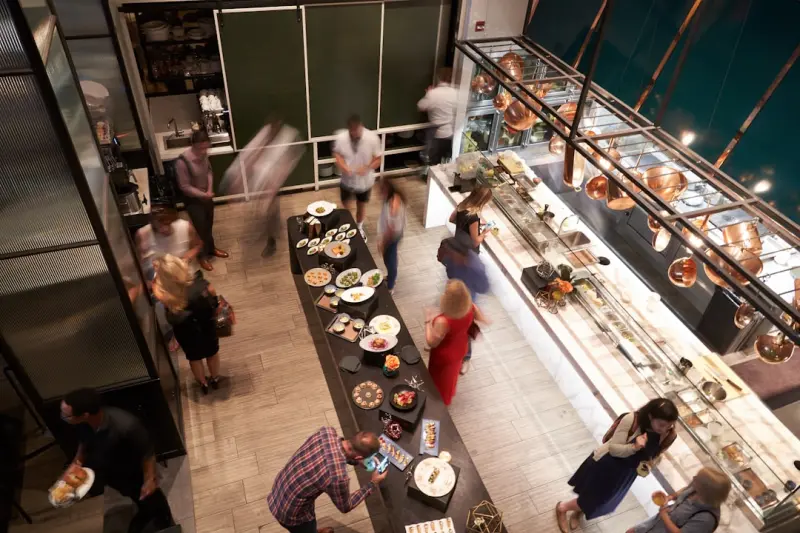
Why Hyper‑Local Pop‑Up Kitchens Are Redefining the Dining Experience
Explore the rise of hyper‑local pop‑up kitchens, where chefs experiment freely, diners enjoy imm... Read More
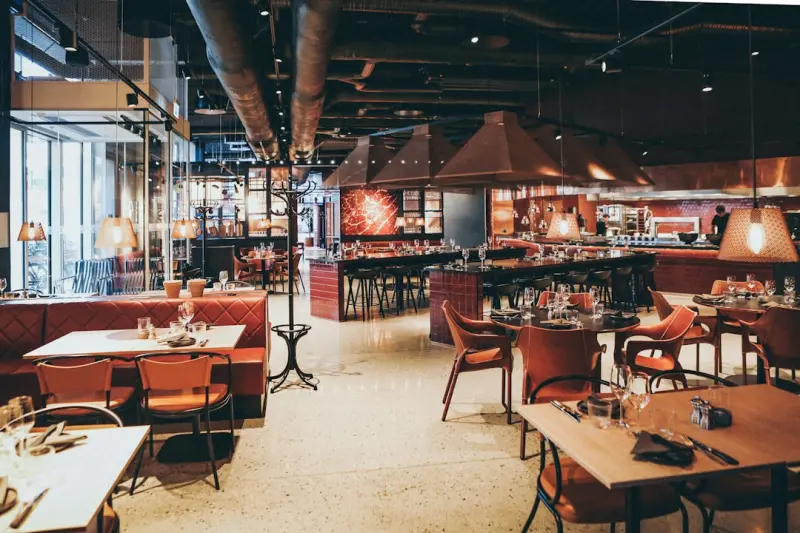
Hyper‑Local Sourcing: Transforming the Restaurant Experience from Farm to Fork
Hyper‑local sourcing connects restaurants directly with nearby farms, delivering fresher flavors, ... Read More
Top Posts

Micro‑Communities: The Untapped Growth Engine for B2B SaaS
Micro‑communities—focused groups of professionals sharing niche challenges—are emerging as powerful growth engines for B2B SaaS. This post explores why th...Read More

The Remote Mediation Revolution: How Virtual Negotiations Are Redefining Family Law
Remote mediation is reshaping family law, offering faster, more inclusive resolutions. Discover the legal framework, tech tools, and practical tips for lawyers ...Read More

Why Microbreaks Are the New Fitness Trend
Microbreaks offer a powerful, science‑backed way to refresh mind and body. Learn practical steps to integrate these brief pauses into daily life for better fo...Read More

A Unified National Digital Identity: Canada’s Next Competitive Edge
A unified digital identity can streamline government services, lower costs, and open new economic opportunities. This article examines the privacy‑first archi...Read More
0 Comments
Post Comment
You will need to Login or Register to comment on this post!