
The Spark Behind the Pop‑Up Revolution
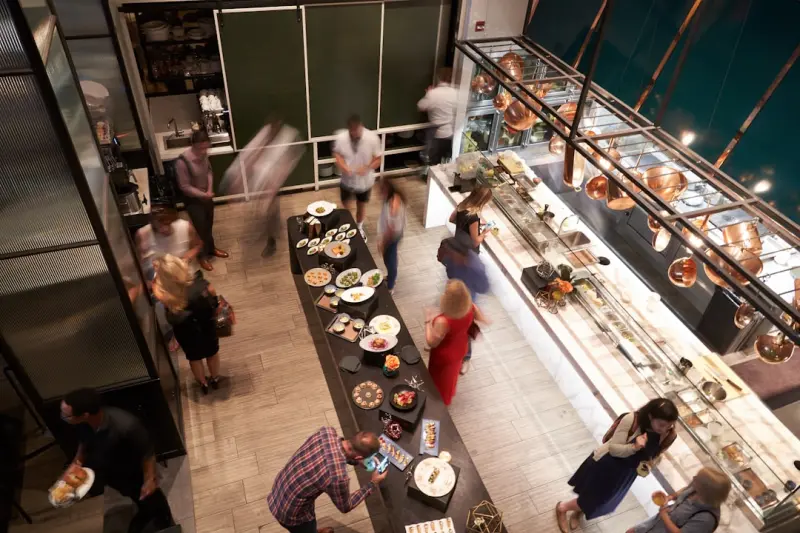
When I first wandered into a vacant loft turned dinner theater, the scent of rosemary and charred corn mingled with the hum of strangers sharing stories. That night, I realized the dining world was shifting from static brick‑and‑mortar temples to fluid, community‑driven experiences that appear, delight, and disappear like a well‑timed encore. Hyper‑local pop‑up kitchens are the newest incarnation of this movement, sprouting in storefronts, parking lots, and even abandoned factories, each anchored to a single neighborhood’s palate and personality. They thrive on the principle that food is best when it reflects the streets that feed it, turning every bite into a conversation between chef, ingredient, and the local rhythm. For chefs burned out by the rigidity of traditional restaurants, these pop‑ups serve as experimental labs where menu ideas can be tested without the burden of long‑term leases or massive staff. I’ve watched culinary creators swap polished dining rooms for cardboard tables, discovering that the freedom to pivot a dish on the fly can reignite the joy that first drew them to the stove.
Behind the buzz, economics play a silent but decisive role. With overheads trimmed to the cost of a portable stove and a handful of locally sourced produce, entrepreneurs can allocate more of their budget toward creativity rather than rent. This is where smart financial strategies become a chef’s secret weapon, allowing them to invest in premium ingredients, micro‑branding, and pop‑up logistics without the anxiety of a towering monthly mortgage. The lean model also encourages a pay‑what‑you‑feel approach, fostering a trust‑based relationship with diners who understand that their support directly fuels the next culinary adventure. In a world where food costs are scrutinized, this transparency resonates, turning budget‑conscious guests into enthusiastic patrons eager to experience something fresh and affordable.
What Diners Gain from the Pop‑Up Phenomenon
For the curious eater, a pop‑up offers more than a meal; it delivers a narrative stitched together by the surrounding community. Imagine sitting on reclaimed wooden pallets while a chef narrates the journey of a heirloom tomato from a neighbor’s garden to your plate, each bite echoing the season’s exact moment. This storytelling aspect transforms dining from a passive transaction into an immersive event, where the menu evolves alongside the conversation. Because the venue is temporary, chefs can tailor each service to the day’s weather, local festivals, or even a spontaneous art installation, ensuring that no two evenings feel alike. Such dynamism keeps patrons returning, eager to discover the next surprise that only a fleeting kitchen can provide.
Technology amplifies this intimacy, turning feedback into an immediate loop that shapes the next course. By deploying real‑time guest feedback loops, chefs can adjust seasoning, portion size, or even the music playlist on the fly, crafting a personalized experience that feels handcrafted for each table. This responsive approach not only heightens satisfaction but also builds a data set that informs future pop‑ups, allowing culinary innovators to anticipate trends before they become mainstream. Moreover, the low‑commitment nature of pop‑ups invites collaboration with local artisans—think bespoke ceramic plates or live acoustic sets—creating a multi‑sensory tapestry that elevates a simple dinner into a community celebration.
Beyond novelty, pop‑ups champion accessibility. Without the overhead of a permanent storefront, chefs can experiment with price points that welcome a broader audience, from students to retirees. This democratization of fine dining breaks down the elitist barriers that have long kept high‑quality cuisine out of reach for many. Patrons walk into an unexpected space, often discovered via a social‑media post or a neighborhood flyer, and leave with a story worth sharing, not just a receipt. In doing so, pop‑ups nurture a culture of culinary curiosity, encouraging diners to explore flavors they might otherwise overlook in the familiar menus of chain restaurants.
Looking Ahead: The Sustainable Future of Pop‑Up Dining
The longevity of hyper‑local pop‑ups hinges on their ability to weave sustainability into every layer of the experience. By sourcing ingredients from nearby farms, these kitchens dramatically cut transportation emissions, turning each plate into a micro‑statement of environmental stewardship. Many chefs are now partnering with community gardens, turning surplus produce into menu highlights that would otherwise be wasted, embodying a circular economy that benefits both the soil and the diner’s conscience. This focus on local sourcing not only reduces carbon footprints but also supports the regional agricultural ecosystem, creating a feedback loop where diners’ dollars nurture the very fields that feed them.
Regulatory hurdles, once a daunting specter for temporary eateries, are gradually being reshaped by municipalities eager to invigorate downtown corridors with vibrant culinary pop‑ups. Pilot programs now offer streamlined permits for short‑term food ventures, recognizing the economic and cultural boost they provide. Chefs who embrace this evolving landscape often tap into pop‑up incubators—shared kitchens that supply equipment, compliance assistance, and marketing support—thereby lowering the entry barrier even further. This collaborative infrastructure ensures that innovative concepts can thrive without the administrative weight that traditionally stifled small‑scale restaurateurs.
Looking forward, I see pop‑ups evolving into a hybrid of physical and digital experiences. Imagine a virtual reservation platform that not only books a seat but also curates a pre‑meal questionnaire, allowing chefs to personalize dishes based on dietary preferences, flavor affinities, and even mood. Coupled with augmented reality menus that reveal the story behind each ingredient, the next generation of pop‑up dining could become a seamless blend of technology, sustainability, and community storytelling. As the line between chef and storyteller blurs, diners will increasingly seek out these fleeting culinary chapters, cherishing the sense of belonging they foster in an ever‑mobile world.

Related Posts
Ghost Kitchens: The Invisible Engine Powering Restaurant Innovation
Ghost kitchens are quietly revolutionizing the restaurant industry by leveraging data, hyper‑local... Read More
Restaurant Reinvention: Data, Subscription & Zero‑Waste Strategies
Discover how restaurants are using data analytics, AI-powered menus, subscription dining, and zeroâ€... Read More
Feast for Free: Canadian Hotels Where Kids Dine on the House
Planning a family vacation can be an exciting prospect, but the costs, especially for dining out, ca... Read More
Top Posts

The Future‑Forward Prom & Graduation: Sustainable Style Meets Smart Tech
A fresh look at prom and graduation: sustainable outfits, AI‑driven playlists, personalized digital keepsakes, and budget‑smart planning that reshape these ...Read More

When the Sun Sets: Ontario’s Night Fishing Boom and Its Ripple Effects
A deep look at Ontario’s rising night‑fishing craze, covering why anglers are drawn after dark, essential gear tweaks, ecological considerations, safety tip...Read More

The Rise of Remote Work Retreats: Designing Sustainable Work‑Friendly Wanderlust
Remote work retreats are transforming travel by offering work‑friendly spaces that prioritize sustainability, community, and genuine cultural immersion, unloc...Read More

Charting New Waters: How Modern Cruises and Bus Tours Become Living Labs
Today’s travel is shifting from simple transport to immersive experiences. This article reveals how cruise ships and long‑haul buses are becoming living lab...Read More
0 Comments
Post Comment
You will need to Login or Register to comment on this post!