
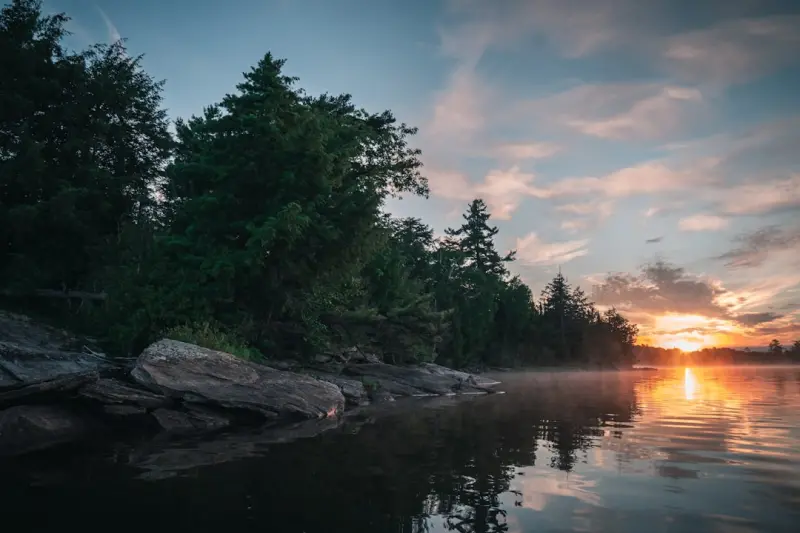
When I first slipped a line into the crystal‑clear waters of Lake Simcoe at dawn, the quiet was louder than any city soundtrack. It was a reminder that Ontario’s fishing heritage is more than a hobby—it’s a living, breathing conversation between people, the land, and the fish that call it home. In recent years, a quiet revolution has been gathering momentum along our shorelines, driven not by flashy gadgets or viral challenges, but by the steady hands of community anglers, Indigenous knowledge keepers, and a growing chorus of conservation‑focused citizens.
The Roots of a New Stewardship Movement
Ontario’s waterways have long been a cultural cornerstone for First Nations peoples. From the Anishinaabe’s centuries‑old net‑weaving traditions to the seasonal migrations that guided hunting and gathering cycles, fishing was, and still is, a matter of respect and reciprocity. Today, many of those teachings are resurfacing, not as relics of the past, but as practical guides for modern angling.
In my conversations with elders from the Mississaugas of the Credit River, a recurring theme emerged: “Take only what you need, and give back more.” This simple mantra has become the philosophical backbone of a new wave of anglers who see themselves as caretakers rather than conquerors. They are forming catch‑and‑release clubs, organizing habitat clean‑ups, and even partnering with local schools to embed ecological literacy into curricula.
From Private Piers to Public Partnerships
Historically, many of Ontario’s prime fishing spots were guarded by private clubs or limited-access reserves. While these venues still hold value, a growing number of community groups are negotiating shared‑use agreements with municipalities, unlocking previously underutilized stretches of water for public enjoyment.
Take the example of the St. Clair River Restoration Initiative. A coalition of local anglers, Indigenous representatives, and the town council pooled resources to remove decades‑old concrete barriers that choked spawning grounds. Within two seasons, anglers reported a noticeable uptick in walleye catches, and the river’s biodiversity began to rebound.
These success stories are sparking a broader conversation: can we reimagine Ontario’s fisheries as collaborative ecosystems rather than competitive arenas? The answer, it seems, is a resounding yes.
Citizen Science Without the Gadgets
When most think of citizen science, they picture apps that log fish lengths or drones that map habitats. While technology certainly has its place, there is a powerful, low‑tech counterpart that is thriving in our province. Volunteers are taking up traditional methods—hand‑drawn maps, notebook entries, and even simple water‑temperature thermometers—to document changes in fish populations.
These grassroots data sets are feeding into provincial monitoring programs, providing a richer, more nuanced picture of lake health. In fact, a recent report highlighted that community‑collected observations accounted for over 30% of new data points on Ontario’s inland fisheries in the past year. It’s a reminder that the most valuable insights often come from those who spend the most time on the water.
Indigenous Knowledge as a Blueprint for Resilience
One of the most transformative elements of this movement is the integration of Indigenous ecological knowledge (IEK). Unlike Western scientific models that can be reductionist, IEK offers a holistic view—seeing fish as part of a broader web that includes water quality, surrounding vegetation, and seasonal rhythms.
Collaborative workshops in the Kawartha Lakes region have paired Elders with youth anglers, teaching techniques such as “watchful waiting” (observing fish behavior before casting) and “seasonal timing” (aligning fishing trips with natural spawning cycles). Participants report not only better catches but also a deeper sense of connection to the water.
These partnerships are also influencing policy. Recent amendments to Ontario’s Fish Habitat Regulations now reference IEK as a valuable source of information, marking a historic shift towards inclusive governance.
Habitat Restoration: The Quiet Hero
While the thrill of a bite is the headline of any fishing story, the unsung hero is often the habitat that nurtures the fish. Community groups are rolling up their sleeves to restore riparian zones, install fish ladders, and re‑introduce native vegetation that stabilizes banks and filters runoff.
One standout project is the Lake Huron Shoreline Revitalization, where volunteers planted over 5,000 native shrubs along a previously eroded stretch. Within a single spawning season, surveys documented a 12% increase in lake‑sturgeon egg deposits—a clear indicator that healthier shorelines translate directly into healthier fish populations.
Economic Ripple Effects
Beyond ecological benefits, this community‑driven stewardship is generating tangible economic upside. Local bait and tackle shops are seeing a surge in demand for sustainable gear—such as barbless hooks and biodegradable lures—while guided eco‑fishing tours are attracting tourists who value authentic, low‑impact experiences.
In fact, a recent study revealed that regions with active angling conservation programs reported a 15% increase in tourism revenue compared to similar areas without such initiatives. It’s a win‑win: healthier fisheries draw more visitors, and those visitors fund further conservation.
Learning from Other Sectors
Ontario’s broader sustainability narrative offers useful parallels. For instance, the AI & Regeneration: Canadian Farmers Lead the Way article highlighted how data‑driven stewardship can transform agriculture. While we’re not championing high‑tech solutions here, the underlying principle—leveraging collective intelligence for ecosystem health—applies directly to our fisheries.
Similarly, the Power to the People: Community Solar Co‑ops Lighting Up Canadian Neighborhoods story showed how community ownership can democratize access to essential resources. In the fishing world, ownership translates into shared stewardship of water bodies, ensuring that the benefits—and responsibilities—are distributed equitably.
Practical Steps for the Everyday Angler
If you’re inspired to join this movement, here are a few low‑barrier actions you can start today:
- Adopt a “Leave No Trace” mindset: Pack out everything you bring, and consider using reusable gear.
- Participate in local clean‑ups: Many municipalities host quarterly shoreline events—sign up and bring a friend.
- Learn from Indigenous mentors: Reach out to nearby First Nations cultural centers for workshops on traditional fishing practices.
- Document your catches the old‑fashioned way: Keep a simple logbook with date, location, species, and conditions. Share your observations with local conservation groups.
- Support sustainable gear manufacturers: Choose barbless hooks, biodegradable lines, and tackle made from recycled materials.
Looking Ahead: A Blueprint for a Resilient Future
The tide is turning. As more anglers embrace the role of environmental stewards, the ripple effects will extend far beyond the water’s edge—into schools, local economies, and policy corridors. The future of Ontario fishing isn’t about chasing bigger trophies; it’s about cultivating a legacy where the fish, the water, and the community thrive together.
So the next time you cast a line on a misty morning, remember that you’re part of a larger story—one that’s being written by the hands of those who love this province’s waters enough to protect them. Together, we can ensure that the quiet lull of a bobbing float continues to echo across Ontario’s lakes for generations to come.

Related Posts
Ontario’s Hidden Lakes: A Modern Angler’s Guide to Uncharted Waters
Dive into Ontario’s lesser‑known fishing spots, leveraging tech, Indigenous wisdom, and citizen ... Read More

Ontario’s Hidden River Gems: A Modern Angler’s Guide
Discover Ontario’s secret river hotspots, how climate‑smart stewardship and rural broadband are ... Read More
Fall Pike Pursuit: Ontario’s Seasonal Tactics for Trophy Catches
Explore Ontario’s fall pike fishing with expert lure choices, secret spots, timing tricks, and eco... Read More
Top Posts

Breathing Into Balance: Simple Breathwork for Everyday Stress
A practical guide to integrating breathwork into your routine, backed by science, and paired with nutrition and digital tools for lasting calm....Read More

Zero‑Waste Cocktails: Crafting Delicious Drinks from Kitchen Scraps
Discover how to turn kitchen scraps into star cocktail ingredients, with sourcing tips, reusable tools, and recipes that prove sustainability can taste amazing....Read More

Unlocking the Quiet Power of Breath for Everyday Immunity
Explore the transformative effect of simple breathwork on your immune system, mood, and overall health, and learn practical ways to integrate it into daily life...Read More

From City Hubs to Remote Hamlets: How Canada’s Workforce is Redrawing the Map
Remote work is prompting professionals to leave urban centers for smaller towns, sparking economic revitalization and new challenges for SaaS providers. This ar...Read More
0 Comments
Post Comment
You will need to Login or Register to comment on this post!