
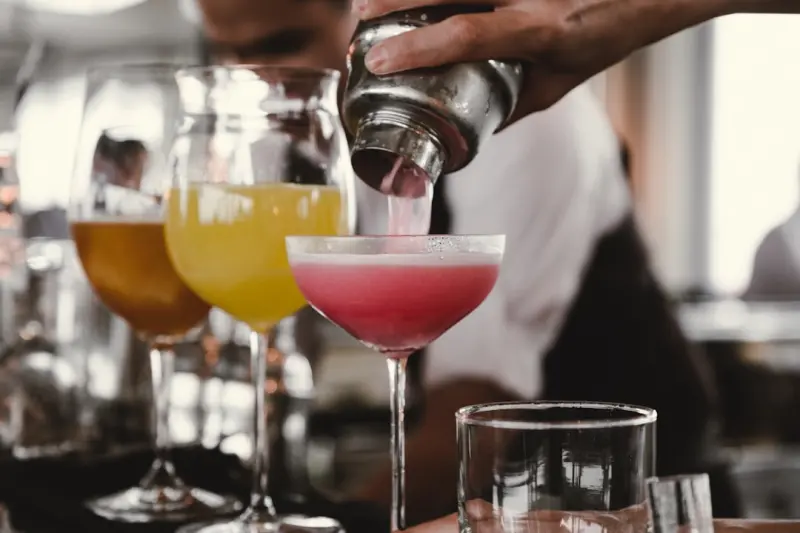
The Zero‑Waste Cocktail Renaissance
Imagine standing behind a bar where every peel, stalk, and seed finds a purpose beyond the fleeting splash of spirit, a place where the clink of glass is matched by the quiet hum of sustainability; that is the emerging zero‑waste cocktail renaissance that has captured the imagination of home mixologists and professional bartenders alike, and it is reshaping how we think about indulgence and responsibility in equal measure. This movement does not merely add a garnish for show; it redefines the entire lifecycle of a drink, from the procurement of ingredients to the disposal of remnants, turning what was once considered waste into an integral flavor component that deepens the narrative of each sip. In my own kitchen experiments, I have found that the most memorable libations are those that tell a story of reuse, where a citrus zest that would have been tossed becomes the star of a bright, aromatic foam, and where a spent coffee bean transforms into a smoky rim that lingers on the palate long after the last drop.
Sourcing Ingredients with Intent
When I first set out to build a zero‑waste bar, the first lesson was that sourcing must be as intentional as the cocktail itself, prompting me to build relationships with local growers who deliver imperfect yet perfectly fragrant produce that would otherwise be condemned to the back of a grocery aisle; this practice not only reduces food waste but also supports a resilient supply chain that values flavor over aesthetic perfection. By visiting farmers’ markets and tapping into community‑supported agriculture programs, I learned to recognize the subtle differences in heirloom varieties—such as a slightly misshapen blood orange that offers a more complex, bitter‑sweet profile than its flawless counterpart—and to negotiate purchases that respect both budget and the planet, a strategy echoed in how to turn everyday purchases into a personal deal engine. The result is a pantry stocked with items that are inherently destined for multiple uses, turning each fruit or herb into a multi‑stage ingredient that can be juiced, muddled, infused, and finally repurposed as a garnish or aromatic dust.
Reimagining Garnish as Flavor Architecture
Gone are the days when a cocktail garnish served merely as a decorative flourish; in the zero‑waste paradigm, each garnish is engineered to contribute a distinct sensory layer, whether that be a textural crunch from dehydrated beet chips, a fragrant burst from a sprig of rosemary that has already flavored an infused syrup, or a bitter note extracted from the spent skins of a pomelo that were previously discarded; this approach forces the bartender to consider the garnish not as an afterthought but as an essential component of the drink’s architecture. I have discovered that the same lemon rind used to zest a cocktail can be subsequently caramelized and dusted over a dessert, creating a seamless bridge between beverage and sweet course, while the leftover pulp from a muddled cucumber can be pressed into a refreshing sorbet that complements a gin‑based tonic; such practices echo the creative resourcefulness championed by the fermentation frontier, albeit with a focus on flavor extraction rather than microbial transformation.
Tools that Champion Reuse
Investing in the right tools can turn a well‑meaning intention into a scalable habit, and in my experience the most impactful pieces are those that enable extraction and preservation without generating excess debris, such as a high‑efficiency juicer that captures every drop of citrus while leaving the pulp ready for compost or secondary use, a vacuum‑seal system that locks in aromatic infusions for weeks without the need for additional containers, and a set of stainless‑steel straws and reusable silicone lids that replace disposable plastic alternatives; each of these instruments is designed to close the loop on waste, ensuring that the bar’s workflow remains fluid and sustainable. Moreover, adopting a modular ice‑mold system that doubles as a flavor carrier—by freezing herbs, spices, or fruit purees inside ice cubes—eliminates the need for separate garnish trays and reduces the cumulative volume of waste generated during service; the ice slowly melts, releasing nuanced notes that evolve the drink’s profile over time, a subtle reminder that sustainability can be woven into the very evolution of flavor.
Signature Recipes That Illustrate the Philosophy
To illustrate how zero‑waste principles translate into a tangible drinking experience, I crafted a trio of cocktails that each showcases a different stage of ingredient reuse: the “Citrus‑Skin Spritz” begins with a bright, bitter-infused vodka made from the peels of three citrus fruits, then is topped with a splash of soda water and a garnish of dehydrated peel shards that were previously stripped for the infusion; the “Herb‑Root Old Fashioned” utilizes a bitters blend created from the stems of rosemary, thyme, and the roots of a beet that were originally trimmed for a salad, delivering an earthy depth that is complemented by a smoked beet‑leaf garnish; finally, the “Coffee‑Bean Smoke Manhattan” repurposes spent espresso grounds, which are briefly torched to release a smoky aroma before being folded into a classic rye base, finished with a coffee‑bean‑rim that was once destined for the compost heap. Each sip tells a story of transformation, proving that flavor complexity can arise from what many would consider kitchen scraps.
Community Impact and Collaborative Storytelling
Beyond the personal satisfaction of sipping a responsibly crafted drink, the zero‑waste cocktail movement fosters a sense of community that extends to farmers, suppliers, and fellow enthusiasts, as sharing the process of ingredient rescue becomes a collaborative narrative that strengthens local food networks; I have hosted pop‑up tasting evenings where guests are invited to bring their own “scrap” produce, turning the event into a collective workshop where we co‑create drinks from the very items that would otherwise be tossed, thereby turning waste into a shared celebration of creativity. This approach mirrors the ethos of community‑driven initiatives highlighted in how Canadian farmers are reimagining direct‑to‑consumer sales, demonstrating that when producers and consumers align around a common purpose, the ripple effects can elevate both economic resilience and environmental stewardship.
Pairing Zero‑Waste Libations with Sustainable Cuisine
When the glass meets the plate, the opportunity to extend zero‑waste philosophy into the dining experience multiplies, and I have found that pairing these cocktails with dishes that also honor ingredient maximization creates a harmonious dialogue between flavors and values; for instance, a roasted carrot purée that utilizes the vegetable’s tops as a crisp garnish pairs beautifully with the “Citrus‑Skin Spritz,” where the bright bitterness cuts through the earthiness of the carrots while the shared citrus notes tie the two courses together. Similarly, a mushroom‑centric risotto that incorporates the stems and trimmings of the fungi finds a perfect counterpart in the “Herb‑Root Old Fashioned,” whose herb‑infused bitters echo the forest floor aromas of the dish, creating a cohesive tasting journey that reinforces the narrative of resourcefulness from start to finish.
Looking Ahead: The Future of Waste‑Light Mixology
As more consumers demand transparency and sustainability from the brands they support, the zero‑waste cocktail movement is poised to evolve from a niche practice into a mainstream expectation, encouraging bartenders to experiment with novel waste‑derived ingredients such as fruit‑fiber powders, spent tea leaves transformed into smoky syrups, and even algae‑based bitters that capture the ocean’s umami depth without depleting marine resources; this forward‑looking mindset invites a new generation of flavor explorers who view waste not as an inevitable byproduct but as a wellspring of untapped potential, and I anticipate that future cocktail menus will be organized not only by spirit type but also by the lifecycle stage of the ingredients they celebrate. In this brave new world of waste‑light mixology, the ultimate toast will be to the very scraps that once threatened to end up in the landfill, now elevated to the status of culinary treasure, proving that every ending can be rewritten as a delicious beginning.

Related Posts
From Trash to Treasure: Building a Zero‑Waste Kitchen That Actually Works
Discover how to transform your kitchen into a zero‑waste haven with practical, data‑driven strat... Read More
The Flavors of Resilience: Exploring the Intersection of Food, Culture, and Canadian Identity
Canadian cuisine reflects the country's cultural heritage, geography, and people. Explore the inters... Read More
Unlocking the Secrets of Perfect Cold Brew at Home
Learn the science, steps, and creative twists behind perfect cold brew coffee, from basic brewing to... Read More
Top Posts

Power to the People: Community Solar Co‑ops Lighting Up Canadian Neighborhoods
Community solar co‑ops let Canadians generate clean power together, lowering electricity costs, boosting local resilience, and strengthening community bonds a...Read More
Unlocking the Power of Food Pairing: A Fresh Take on Everyday Nutrition
Learn the science behind food pairings and how simple combos of proteins, veggies, and healthy fats can enhance nutrient absorption, flavor, and overall well‑...Read More

From Bedside to Broadband: Bridging Digital Health Gaps in Rural Canada
A deep dive into Canada’s evolving digital health landscape reveals how broadband expansion, telehealth hubs, and data sovereignty agreements are closing the ...Read More
From Field to Guest: The Agri‑Tourism Boom Transforming Canadian Farms
Canadian farms are shifting from pure production to destination experiences, using agri‑tourism to diversify income, strengthen communities, and showcase auth...Read More
0 Comments
Post Comment
You will need to Login or Register to comment on this post!