
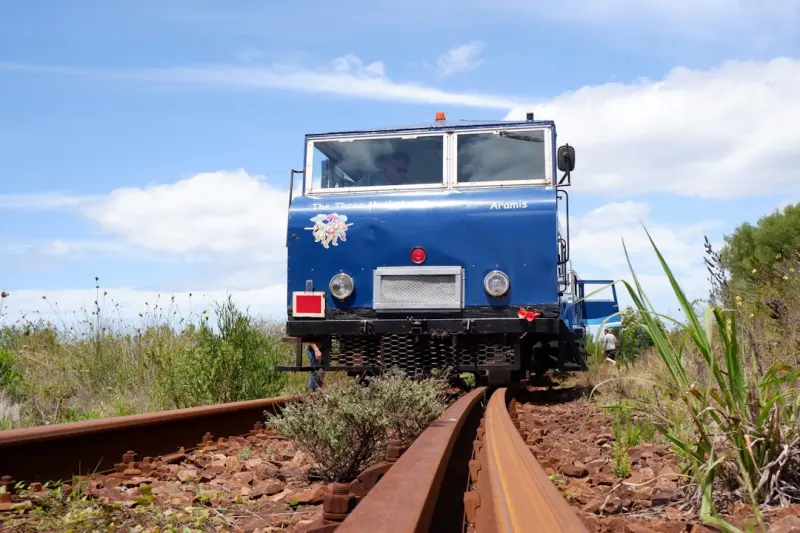
Why I Trade Airports for Train Stations
Ever since my first night spent in a rattling sleeper car across the prairie, I’ve been convinced that the true pulse of a country can be felt not at the bustling terminal but in the gentle sway of a locomotive carving its way through the landscape; the clatter of wheels on steel becomes a metronome that syncs my thoughts, and the darkness outside the window turns into a moving canvas of stars, distant towns, and the occasional flash of a lone lighthouse guiding the way. There’s a quiet intimacy in watching the world blur past while sharing a cramped yet cozy berth with strangers who, like me, are chasing stories rather than simply ticking boxes on a checklist, and the slow pace forces a pause that airline terminals never grant, letting me absorb the subtleties of regional accents, the faint smell of pine, and the rhythm of a land that refuses to be rushed. In that moment I realized that travel isn’t about the speed of arrival but the depth of immersion, and I’ve since made a habit of swapping jet‑lag for the gentle lull of a train’s night‑time lullaby, discovering that each journey becomes a living narrative stitched together by shared meals, hushed conversations, and the ever‑present hum of the engine.
The Forgotten Golden Age of Night Trains
Back in the mid‑twentieth century, overnight railways were the arteries of continents, linking capital cities to remote hamlets with plush sleepers, dining cars that served regional delicacies, and observation decks that offered panoramic views of mountains, deserts, and seas, a network so extensive that a traveler could hop from one end of the nation to the other without ever stepping foot on an airplane; however, the rise of low‑cost airlines in the latter half of the century siphoned away much of that patronage, leaving many iconic routes abandoned, stations shuttered, and a generation of wanderers unaware of the romance that once defined cross‑country voyages. Yet the story didn’t end there: a new wave of rail enthusiasts, heritage societies, and forward‑thinking operators have begun resurrecting these historic lines, retrofitting vintage carriages with modern amenities while preserving the nostalgic charm that made them legendary, proving that the appetite for leisurely, scenic travel has never truly vanished, only gone underground. Today, the resurgence is not merely nostalgic; it reflects a broader cultural shift toward experiences that prioritize connection over convenience, and the rebirth of night trains offers a compelling alternative for those who crave depth, sustainability, and a touch of old‑world elegance in their itineraries.
Modern Comfort Meets Vintage Charm
Contemporary sleeper services now blend cutting‑edge technology with the timeless allure of railway travel: plush berths equipped with climate control, USB ports, and high‑speed Wi‑Fi sit alongside polished wood paneling, brass fixtures, and soft, ambient lighting that evokes the golden era of rail romance, creating a space where the past and present coexist in perfect harmony; the dining car, once a mere waypoint for a quick bite, has evolved into a culinary showcase featuring farm‑to‑table menus that highlight local producers, allowing passengers to sample regional flavors while the train glides through the very landscapes that inspire those dishes, turning a meal into a moving terroir tour. Moreover, the introduction of private cabins with en‑suite facilities, quiet zones for focused work, and communal lounges designed for spontaneous collaboration has turned the train into a floating boutique hotel, offering travelers the flexibility to rest, work, and socialize without ever stepping off the rails, and this seamless integration of comfort and authenticity is redefining what it means to journey in style.
Culture in the Carriage: Dining, Dialogues, and Discovery
One of the most rewarding aspects of long‑haul train travel is the spontaneous cultural exchange that happens over a steaming bowl of regional stew or a glass of locally brewed ale in the dining car, where passengers from diverse backgrounds gather around a communal table, sharing stories about the towns they’re passing, swapping travel tips, and debating everything from literature to local politics, creating a micro‑society that mirrors the larger tapestry of the nation itself; these conversations often lead to unexpected side‑trips, as fellow travelers might recommend a hidden waterfall, a family‑run bakery, or a weekend market that isn’t listed in any guidebook, turning a scheduled stop into an authentic adventure that would be impossible to uncover from a sterile airport lounge. In my own experience, a conversation with a retired railway engineer from a small mountain village sparked a detour to a centuries‑old craft workshop where we watched artisans weave hand‑loomed textiles, an encounter that deepened my appreciation for the region’s heritage and underscored how the train’s slow pace cultivates the kind of serendipitous learning that hurried flights simply cannot provide.
Scenic Routes That Double as Living Galleries
When the train snakes through dramatic landscapes—whether it’s the rugged coastline where ocean waves crash against cliffs, the endless prairie where golden wheat waves like a living sea, or the towering alpine passes that reveal snow‑capped peaks piercing the horizon—the view becomes a living gallery that changes with every mile, offering photographers and nature lovers alike a front‑row seat to nature’s most spectacular performances without the need for a separate vehicle or guide; the panoramic windows of modern cars are engineered to minimize distortion, allowing travelers to capture crisp, vivid images of sunrise over a misty lake or the ethereal glow of aurora borealis dancing above remote tundra, moments that become lasting souvenirs far more meaningful than a generic postcard. To truly appreciate these vistas, I recommend timing your journey to coincide with the golden hours of dawn or dusk, when the light paints the scenery in warm hues, and keeping a sketchbook or journal on hand to record impressions, because the train’s steady rhythm provides the perfect backdrop for reflection and creative expression, turning each mile into a brushstroke on the canvas of your travel memoir.
Sustainable Journeys: Reducing Footprint One Railcar at a Time
From an environmental perspective, choosing the train over the airplane is one of the most impactful decisions a traveler can make, as rail travel typically emits up to 90% fewer greenhouse gases per passenger kilometer compared to short‑haul flights, thanks to the efficiency of electric locomotives and the ability to source power from renewable energy grids, making overnight journeys a greener alternative that aligns with the growing demand for responsible tourism; beyond emissions, the train’s ability to serve multiple cities along a single route reduces the need for additional road infrastructure, eases traffic congestion, and supports local economies by bringing passengers directly into the heart of communities rather than confining them to peripheral airports. By embracing rail as a primary mode of long‑distance travel, we not only minimize our personal carbon footprints but also contribute to a broader shift toward sustainable mobility, encouraging policymakers and industry leaders to invest further in high‑speed and night‑train networks that can rival the convenience of air travel without compromising the planet’s health.
Productivity on the Move: The Digital Nomad’s New Playground
For anyone who has ever tried to juggle work deadlines with a craving for adventure, the modern sleeper train offers an unparalleled workspace that combines reliability, comfort, and inspiration; the steady motion of the carriage creates a subtle white‑noise that many find conducive to deep focus, while the availability of high‑speed internet—mirroring the connectivity standards championed in How Canada’s Digital Parliament Is Redefining Civic Engagement—allows you to attend virtual meetings, edit documents, and even stream webinars without the jittery connections that plague many remote locations. In addition, the communal lounges serve as informal co‑working hubs where you can exchange ideas with fellow travelers, some of whom might be freelancers, startup founders, or creatives, fostering a collaborative environment that can spark new projects or partnerships; I’ve personally drafted a marketing proposal while watching the sunrise over the Rockies, and the sense of accomplishment that comes from turning a travel day into a productive milestone is unparalleled, proving that the train can be both a vessel for exploration and a catalyst for professional growth.
Co‑Creation on Rails: Building Community Through Shared Experiences
The social dynamics of long‑haul train travel naturally lend themselves to the principles of co‑creation, where passengers become active contributors to the journey’s narrative rather than passive observers, echoing the ideas explored in Co‑Creation Marketing: Turning Communities into Creative Powerhouses and turning the carriage into a living workshop for ideas, stories, and cultural exchange; group activities such as shared cooking sessions in the galley, collaborative playlists curated by passengers, or impromptu storytelling circles transform the trip into a participatory event that enriches everyone’s experience and leaves a lasting imprint on the collective memory of the ride. By encouraging travelers to contribute their skills—whether it’s a photographer offering a quick portrait session, a musician playing a folk tune, or a language enthusiast teaching basic phrases—these journeys become incubators for community building, fostering connections that often extend beyond the rails and evolve into lasting friendships or even future collaborations, reinforcing the notion that travel can be a powerful catalyst for communal creativity and mutual growth.
Practical Tips for Your First Overnight Rail Adventure
If you’re ready to swap the sterile aisle of an airplane for the warm embrace of a sleeper car, start by researching routes that align with your interests—look for lines that traverse diverse landscapes, stop at culturally rich towns, and offer amenities such as Wi‑Fi, private cabins, and dining options that showcase local cuisine; booking early is key, as the most coveted cabins—especially those with en‑suite facilities—tend to sell out quickly, and many operators provide flexible ticket policies that allow for changes, giving you peace of mind should your plans shift. Pack smart: bring a compact travel pillow, noise‑cancelling headphones, and a reusable water bottle to stay hydrated, while a lightweight daypack will keep your essentials—passport, charger, and a good book—within easy reach; finally, embrace the slower pace by planning activities that complement the journey, such as journaling, sketching, or even learning a few phrases in the language of the regions you’ll pass through, and you’ll discover that the night train isn’t just a mode of transport, but a transformative experience that reshapes how you view both travel and the world around you.

Related Posts

Finding Calm in the Chaos: The Rise of Sensory‑Friendly Travel
Travel can be overwhelming, but a growing movement is making airports, hotels, and attractions senso... Read More

Beyond the Tourist Trail: Crafting Purpose‑Driven Journeys
A fresh look at travel that prioritizes cultural immersion, local connections, and purposeful experi... Read More
Regenerative Tourism: Turning Trips Into Community Boosts
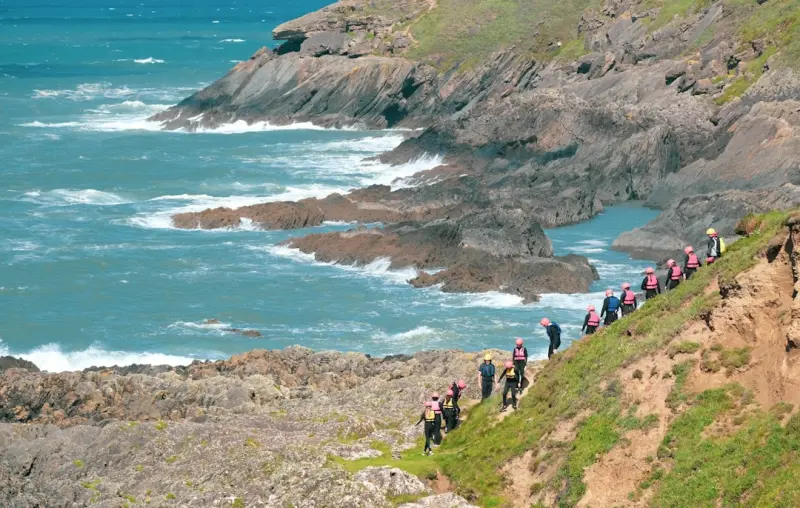
Regenerative tourism goes beyond sustainability, inviting travelers to actively restore ecosystems, ... Read More
Top Posts

From Soil to Screen: Building a Direct‑to‑Consumer Brand on a Canadian Farm
A Canadian farmer shares the step‑by‑step journey of turning a traditional farm into a modern, consumer‑facing brand, highlighting storytelling, data, com...Read More

The Untapped Power of Community‑Driven Referral Loops for B2B SaaS Growth
Learn why embedding organic referral moments into your product experience, rewarding genuine advocacy, and measuring loop‑specific metrics can transform custo...Read More

Why Distributed Revenue Teams Are the Future of B2B Growth
Distributed revenue teams—small, cross‑functional pods that own the full buyer journey—are reshaping B2B growth. Learn why they work, how to build them, a...Read More
The Unseen Struggles of Mental Health in Rural Canada
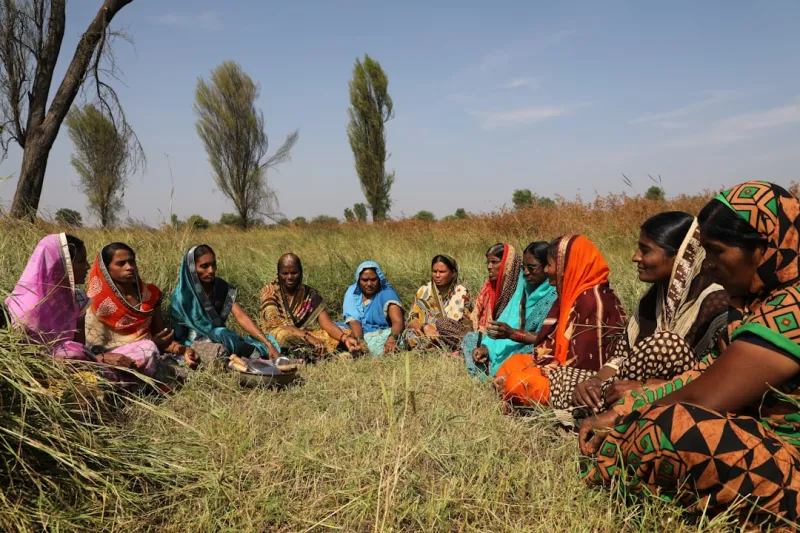
Rural Canadians face unique challenges when it comes to mental health, from isolation and lack of anonymity to limited access to resources. Learn more about the...Read More
0 Comments
Post Comment
You will need to Login or Register to comment on this post!