
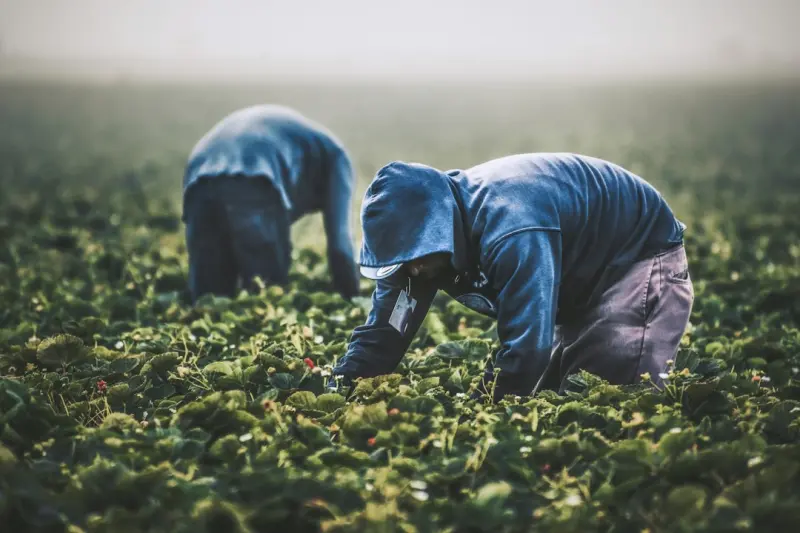
Why Canadian Farmers Are Turning Their Fields into Brands
When I first stepped onto my family’s 150‑acre plot in southwestern Ontario, the horizon was a simple line of corn and soy, and the biggest decision of the day was whether to plant a row of beans or a row of carrots. Fast forward a decade, and that same horizon now includes a handful of delivery trucks, a sleek website, and a growing community of customers who know my name before they ever set foot on the farm. The transformation isn’t magic—it’s the result of a deliberate, data‑driven approach to turning a traditional farm into a modern, consumer‑facing brand.
From Commodity to Storytelling
For generations, Canadian agriculture has been built on the commodity model: produce leaves the field, gets packaged, and disappears into the retail pipeline. The farmer’s role was largely invisible beyond the silo. Today, consumers crave authenticity. They want to know who grew their carrots, what the soil feels like, and why a particular variety of apple tastes better than the supermarket version. This shift opens a massive opportunity for farmers to step out from behind the fence and become storytellers.
Building a brand starts with answering three simple questions:
- Who are we? – Your farm’s heritage, location, and values.
- What makes us unique? – Rare heirloom varieties, regenerative practices, or a family narrative that resonates.
- Why should customers care? – The health, environmental, or community impact of buying directly.
When those answers coalesce into a clear narrative, they become the backbone of your marketing, packaging, and even the way you arrange your rows of lettuce.
Leveraging Data Without Losing the Soul
One of the biggest misconceptions is that “data” means cold spreadsheets and endless algorithms. In reality, data can be the most human part of your operation if you use it to listen to your customers. For example, by tracking which products sell best on a weekly basis, you can adjust planting schedules to match demand, reducing waste and increasing profit margins.
In the restaurant world, real‑time guest data has become a secret sauce for tailoring menus and promotions. The same principle applies to farming: a simple online survey after a purchase can reveal that customers love the “crisp bite” of your new radish variety but find the packaging too bulky. Those insights feed directly back into your production and logistics decisions.
Data also helps you navigate the inevitable unpredictability of weather. By integrating local climate forecasts with historical yield data, you can make more informed decisions about when to irrigate, harvest, or apply cover crops. This isn’t about replacing intuition; it’s about augmenting the farmer’s instinct with a safety net of numbers.
Crafting a Direct‑to‑Consumer (DTC) Experience
Direct sales channels—farm stands, subscription boxes, and online storefronts—allow you to capture the full retail margin and build a relationship that goes beyond a one‑time transaction. Here’s a step‑by‑step roadmap that I followed when launching my own DTC operation:
- Define your product suite. Start small: a “Seasonal Harvest Box” that rotates between carrots, heirloom tomatoes, and a surprise herb.
- Set up a simple e‑commerce platform. Tools like Shopify or Squarespace are user‑friendly and integrate with payment processors and shipping calculators.
- Build a subscription model. Customers love the predictability of a weekly or bi‑weekly box. Offer flexible pause options to reduce churn.
- Invest in branding. A cohesive logo, color palette, and tone of voice make your farm feel like a trusted friend.
- Tell your story. Use a blog, newsletter, or short videos to showcase planting, harvesting, and the people behind the produce.
- Leverage local logistics. Partner with regional couriers who understand rural delivery challenges.
- Gather feedback. Post‑delivery surveys keep the loop closed and improve future boxes.
When I launched my first box, the initial uptake was modest—just a dozen families in the neighboring town of Kitchener. Within three months, word‑of‑mouth and a few well‑placed Instagram posts grew the subscriber base to over 200 households. The key was consistency: delivering fresh, high‑quality produce on time, every time.
Community as a Competitive Advantage
Canadian farmers have always been at the heart of their local communities. Turning that community role into a competitive advantage is more than a buzzword; it’s a tangible strategy. By hosting seasonal events—like a “Pick‑Your‑Own Corn” day or a farm‑to‑table dinner—you deepen the emotional connection between consumers and the land.
These events also create content for your digital channels. A short video of children laughing while chasing fireflies after a harvest festival can be the centerpiece of an email campaign that drives box renewals. The authenticity of a real farm experience is something no supermarket can replicate.
Scaling Thoughtfully: When to Grow and When to Hold
Growth is tempting, but scaling too quickly can dilute your brand’s authenticity. Consider the following checkpoints before expanding:
- Operational capacity. Do you have the labor and equipment to handle larger volumes without compromising quality?
- Brand consistency. Will new products align with the story you’ve built?
- Customer demand. Are your current subscribers asking for more variety, or are they happy with the existing lineup?
For many farms, the sweet spot is a modest expansion of the subscription offering—adding a “Premium Box” with specialty items like honey‑infused carrots or small‑batch cheese from a neighboring dairy. This incremental growth adds revenue while preserving the farm’s core identity.
Technology That Doesn’t Overwhelm
While the headline‑grabbing stories about collaborative tech dominate industry conferences, most of the tools you need are modest and affordable. A simple farm management app can track planting dates, pesticide applications, and harvest yields. Cloud‑based accounting software keeps your books straight, and a basic CRM (customer relationship management) system helps you segment your audience for targeted emails.
The trick is to adopt tools that solve a real pain point, not to chase every new gadget. My first “tech investment” was a handheld soil sensor that gave me instant feedback on moisture levels. It cut irrigation costs by 15 % and prevented a costly drought‑related loss. That small win convinced me that technology, when aligned with a clear business need, can be a true lever for growth.
Financing the Transition
Shifting from a traditional commodity farm to a branded DTC operation often requires upfront capital—for packaging, website development, and marketing. Fortunately, several funding pathways exist in Canada:
- Agri‑Innovation Grants. Federal and provincial programs support technology adoption and market diversification.
- Community‑Based Crowdfunding. Your local supporters are often eager to back a project that brings fresh produce directly to their tables.
- Impact Investment Funds. Investors looking for environmental and social returns are increasingly interested in regenerative and direct‑to‑consumer agriculture.
When applying for grants, frame your project as a way to strengthen local food security and reduce carbon emissions—both of which align with government priorities.
Looking Ahead: The Future of Canadian Farm Brands
As climate change reshapes growing zones and consumer expectations evolve, the farms that survive and thrive will be the ones that can adapt their narrative as quickly as they adapt their planting schedules. A brand is not a static logo; it’s a living story that evolves with each season.
Imagine a future where every Canadian farm has a digital “farm passport” that lets customers trace the journey of a tomato from seed to plate, complete with carbon‑footprint metrics and the farmer’s personal note. That future is already emerging, and those who start building their brand today will be the leaders tomorrow.
In my own backyard, I’m already planning a “Winter Harvest” series—root vegetables harvested in February, bundled with a recipe card that tells the story of how frost can sweeten carrots. It’s a small experiment, but it encapsulates the essence of what I’ve learned: authenticity, data‑informed decisions, and community engagement are the three pillars that turn a piece of land into a beloved Canadian brand.
If you’re a farmer wondering whether to take the leap, remember that the journey starts with a single step: sharing your story. The rest will follow, one box, one post, and one satisfied customer at a time.

Related Posts
Canadian Farmers Forge Climate‑Smart Cooperatives for a Sustainable Future
Canadian farmers are banding together in climate‑smart cooperatives, sharing renewable energy, pre... Read More
From Field to Guest: The Agri‑Tourism Boom Transforming Canadian Farms
Canadian farms are shifting from pure production to destination experiences, using agri‑tourism to... Read More
Regenerative Farming: Canada’s Rural Revival
A deep dive into regenerative agriculture on Canadian farms, exploring soil health, livestock integr... Read More
Top Posts

Why Ontario Anglers Are Embracing Sustainable Catch‑and‑Release
Ontario anglers are shifting to sustainable catch‑and‑release, improving fish populations, boosting eco‑tourism, and fostering a deeper, mindful connectio...Read More

The Hidden Levers of SaaS Savings: A Playbook for Smarter Spend
A practical guide to cutting SaaS expenses, from usage audits and bundling to smart negotiations and consumption‑based licensing, helping businesses turn soft...Read More

National Digital Identity: Trust, Inclusion, and Innovation
A national digital identity can streamline access to services, protect privacy, and drive economic growth across Canada. This post outlines its benefits, techni...Read More

Cultivating Connection: Canada’s Community Garden Renaissance
Canada’s community gardens are thriving, turning vacant lots into vibrant hubs of food, culture, and connection—discover the movement shaping our nation....Read More
0 Comments
Post Comment
You will need to Login or Register to comment on this post!