
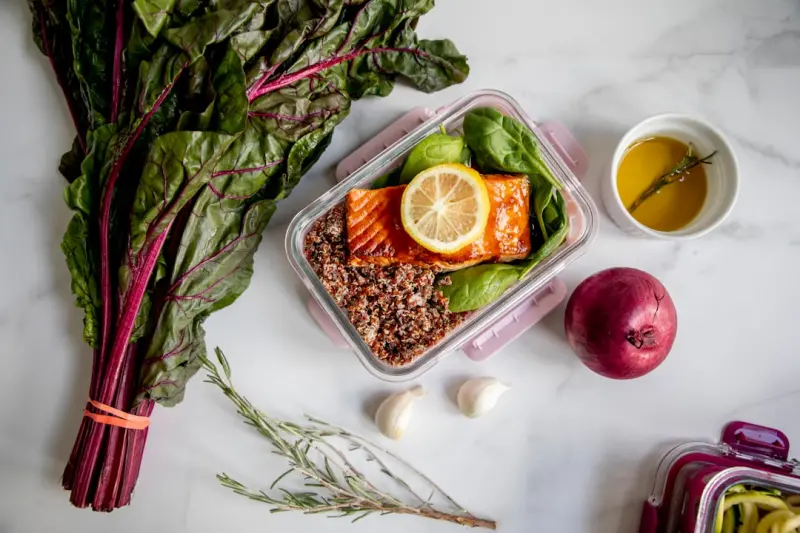
Seasonal Synergy: Turning Nature’s Calendar into a Healthier Plate
When I first stepped into a farmer’s market at the height of autumn, the air smelled like a textbook on antioxidants – crisp apples, earthy beets, and a hint of rosemary that seemed to whisper, “Eat me, I’m at my peak.” That moment sparked a personal experiment that’s now the backbone of my kitchen philosophy: seasonal synergy. It’s more than just buying what’s in season; it’s about aligning the when, how, and with what we eat to coax the maximum health benefits from each bite.
The Science Behind Seasonal Eating
Plants synthesize their nutrients in response to their environment. A tomato grown under a summer sun will amass lycopene, while a kale leaf that endures a frosty night ramps up vitamin C and glucosinolates. This natural chemistry means that the same vegetable harvested at different times can differ dramatically in its micronutrient profile.
Studies from agricultural research (not to be confused with the playbook on data‑driven shopping) show that eating produce at its peak can boost antioxidant levels by up to 40 %. That translates directly into lower oxidative stress, better immune function, and, over time, reduced risk of chronic disease.
Chrononutrition: Timing Your Meals With Your Body’s Clock
Seasonal synergy doesn’t stop at the grocery bag; it extends to the clock on your wall. Chrononutrition is the emerging field that studies how meal timing interacts with circadian rhythms. Your body’s metabolic enzymes follow a roughly 24‑hour cycle, peaking at certain times for carbohydrate digestion, protein synthesis, and fat oxidation.
Here’s a quick guide:
- Morning (6 am–10 am): Light, carbohydrate‑rich foods (think fresh berries and whole‑grain oatmeal) help replenish glycogen stores after an overnight fast.
- Midday (11 am–2 pm): Protein‑forward meals (lean fish, legumes, or a tofu stir‑fry) support muscle repair and keep blood sugar stable.
- Afternoon (3 pm–6 pm): A modest mix of healthy fats (avocado, nuts, seeds) can sustain energy for the evening slump.
- Evening (7 pm–9 pm): Light, plant‑based fare with high fiber (roasted root veg, leafy greens) aids digestion and promotes restful sleep.
When you pair the right foods with the right time of day, you’re essentially giving your body a well‑timed boost of the nutrients it’s primed to use.
Flavor Pairing: The Hidden Health Benefits of Culinary Chemistry
Ever wonder why a squeeze of lemon on salmon feels so right? It’s not just tradition; it’s chemistry. Certain flavor compounds can enhance the bioavailability of nutrients. For example:
- Vitamin C + Iron: A splash of citrus on spinach or lentils dramatically improves iron absorption.
- Turmeric + Black Pepper: Piperine in pepper boosts curcumin’s absorption by up to 2,000 %.
- Fat + Fat‑Soluble Vitamins: Drizzling olive oil over carrots helps your body absorb beta‑carotene.
By intentionally combining these “food partners,” you can turn a tasty dish into a nutrient‑powerhouse without adding extra calories.
Building a Seasonal Pantry: Practical Steps
Creating a pantry that supports seasonal synergy is easier than you think. Follow these three steps:
- Map the Local Calendar: Identify what crops are at their peak each month in your region. Websites of local agricultural extensions or farmer’s market schedules are gold mines.
- Batch‑Prep Smartly: When a bounty arrives, freeze, dehydrate, or pickle excess to preserve nutrients for off‑season use. Remember, rapid blanching before freezing locks in color and vitamins.
- Invest in Versatile Tools: A good mandoline, a sturdy cast‑iron skillet, and a set of glass jars can make seasonal cooking feel like play rather than chore.
If you’re looking for inspiration on how to keep your kitchen organized while minimizing waste, check out some practical kitchen habits that align perfectly with a seasonal approach.
Case Study: From Grocery Store to Table in 30 Minutes
Let’s walk through a typical weekday dinner that embodies seasonal synergy, mindful timing, and flavor pairing.
- Ingredient List (Autumn Edition): Butternut squash, kale, quinoa, toasted pumpkin seeds, goat cheese, lemon zest, and a pinch of smoked paprika.
- Prep (5 minutes): Dice the squash, toss with olive oil and paprika, and spread on a sheet pan.
- Cook (20 minutes): Roast squash at 200 °C while simmering quinoa in vegetable broth. In the last five minutes, add chopped kale to the quinoa to wilt.
- Assemble (5 minutes): Combine quinoa, roasted squash, and kale. Sprinkle pumpkin seeds, crumble goat cheese, and finish with lemon zest.
Why this works:
- Seasonal ingredients – The squash and kale are at their antioxidant peak.
- Chrononutrition – Served in the early evening, the meal’s fiber and healthy fats support digestion without overloading the system.
- Flavor synergy – Lemon zest boosts iron absorption from kale; the fat in goat cheese helps absorb beta‑carotene from the squash.
Beyond the Plate: Bringing Seasonal Energy to the Workplace
Most of us spend a good chunk of our day at a desk, and what we eat at lunch can set the tone for the afternoon. Imagine a meeting room stocked with a rotating “seasonal snack box” featuring locally sourced nuts, dried fruit, and a small portion of fresh fruit. Not only does this reinforce the habit of eating in sync with nature, but it also taps into the growing research that bringing nature to the workplace can improve focus, reduce stress, and boost overall wellbeing.
To implement this:
- Partner with a local producer for a weekly delivery of seasonal produce.
- Design a simple signage system that highlights the current “star ingredient” and a quick health tip.
- Encourage staff to share their own recipes using the featured items – it builds community and reinforces learning.
Leveraging Remote Expertise for Personalized Seasonal Plans
Not everyone has a nutritionist on call, but the rise of tele‑health platforms means you can now access a dietitian who can tailor a seasonal plan to your specific needs—whether you’re training for a marathon or managing blood sugar. A virtual consultation can help you map out the optimal foods for each month, align them with your chrononutrition windows, and even suggest flavor pairings that maximize nutrient uptake.
For a deeper dive into how remote services are reshaping health access, see this article on remote nutrition support and its impact on community wellness.
Common Pitfalls and How to Avoid Them
Even the most enthusiastic seasonal eater can stumble. Here are three pitfalls and quick fixes:
- Pitfall: Relying on frozen produce that’s been stored for months.
Fix: Check the harvest date on packaging; aim for flash‑frozen items labeled “harvested within 24 hours.” - Pitfall: Over‑seasoning with salt to mask blandness.
Fix: Use herbs, citrus, and spices (like cumin or rosemary) that add flavor without sodium. - Pitfall: Ignoring meal timing and eating heavy meals late at night.
Fix: Set a kitchen alarm for your “last solid meal” window, ideally 3 hours before bedtime.
Measuring Success: Simple Metrics to Track
To know if seasonal synergy is working for you, keep a lightweight log:
- Energy Levels: Rate from 1‑10 each morning.
- Digestive Comfort: Note any bloating or irregularities.
- Food Variety Score: Count the number of distinct produce items you consume each week.
After a month, review the trends. You’ll often see a rise in energy scores and a higher variety score, indicating you’re hitting a broader spectrum of nutrients.
Conclusion: Embrace the Rhythm, Reap the Rewards
Seasonal synergy is a simple yet powerful framework that marries nature’s calendar with modern science. By choosing peak‑season produce, timing meals to your body’s internal clock, and pairing flavors that unlock nutrients, you create a culinary routine that feels effortless but delivers profound health dividends. Whether you’re a busy professional, a home‑cooking enthusiast, or a corporate wellness champion, the principles are adaptable and scalable.
Start small: pick one seasonal fruit this week, pair it with a vitamin‑C‑rich veggie, and enjoy it at the optimal time of day. Watch how your body responds, and let the rhythm guide you toward a healthier, more vibrant life.

Related Posts
Fermented Foods: The Modern Path to a Resilient Gut and Vibrant Health
Fermented foods like kimchi, kefir, and sauerkraut are powerful allies for a thriving microbiome. Th... Read More
The Microbiome Snack Revolution: How to Choose Packaged Foods That Actually Feed Your Gut
Discover a practical guide to selecting packaged snacks that nourish your gut microbiome, using a si... Read More

Eating with Your Body Clock: How Chrononutrition Boosts Health
Chrononutrition reveals that when you eat matters as much as what you eat. Learn practical strategie... Read More
Top Posts

How Canada’s Music Festivals Are Reimagining Live Entertainment
Canadian festivals are booming again, merging heritage with cutting‑edge tech, eco‑initiatives, and Indigenous artistry to deliver unforgettable, inclusive ...Read More

Immersive Pop‑Up Hubs: Redefining Canadian Entertainment on the Fly
From AR‑enhanced alleyways to multi‑sensory sound gardens, Canada’s emerging pop‑up hubs are turning vacant spaces into immersive cultural experiences, ...Read More

From Snowy Streets to Green Sanctuaries: Cultivating a Year‑Round Urban Oasis in Canada
Discover practical tips for turning limited urban spaces into year‑round gardens, linking homegrown produce to zero‑waste cocktail culture and community sha...Read More

Hybrid Headquarters: Redefining the Modern Workplace for a Distributed Workforce
A data‑driven guide to building hybrid headquarters that balance flexibility, collaboration, and cost efficiency, turning office space into a strategic asset ...Read More
0 Comments
Post Comment
You will need to Login or Register to comment on this post!