
The Forgotten Power of Fermented Foods: A Modern Guide to Gut‑Centric Nutrition
When I first stepped into a bustling farmers’ market in the heart of the city, the aroma of fresh produce was intoxicating, but it was the subtle tang of a wooden barrel filled with bubbling cabbage that stopped me in my tracks. Fermentation isn’t a new fad; it’s a centuries‑old practice that our ancestors relied on to preserve food, enhance flavor, and—crucially—support a thriving microbiome. Yet, in today’s hyper‑convenient world, we’ve largely sidelined these living foods in favor of ultra‑processed snacks that promise instant gratification but leave our gut flora scrambling for sustenance.
In this post, I’ll walk you through why fermented foods deserve a permanent spot at your table, how they can act as a natural antidote to modern dietary stressors, and practical steps to make them a regular, enjoyable part of your routine. Think of this as a culinary compass pointing you toward a healthier, more resilient gut—without sacrificing taste or convenience.
Why Fermentation Matters in the Age of Processed Everything
Our digestive systems are home to trillions of microbes that influence everything from nutrient absorption to mood regulation. When we consume foods rich in live cultures—like kimchi, kefir, sauerkraut, and tempeh—we’re essentially seeding our intestines with beneficial bacteria. These microbes:
- Produce short‑chain fatty acids that fortify the gut lining and reduce inflammation.
- Compete with pathogenic bacteria, keeping harmful strains at bay.
- Modulate the immune system, lowering the risk of chronic conditions such as allergies, autoimmune disorders, and even certain cancers.
- Influence the gut‑brain axis, affecting stress response, cognition, and emotional well‑being.
Contrast this with a diet dominated by refined sugars and additives, which can starve our microbiome and promote dysbiosis—a microbial imbalance linked to obesity, insulin resistance, and mood disorders. Fermented foods, therefore, act as a natural reset button, replenishing diversity and fostering a symbiotic relationship between host and microbe.
Debunking Common Myths About Fermented Foods
Before you dive headfirst into the world of probiotic powerhouses, let’s clear up a few misconceptions that often keep people at arm’s length.
- Myth: Fermented foods are only for “hipsters” or culinary adventurers.
Reality: Cultures across the globe—from Korean kimchi to Ethiopian injera—have relied on fermentation for generations. It’s a universal nutrition strategy, not a niche trend. - Myth: All fermented foods are high in sodium.
Reality: While some, like traditional sauerkraut, do contain salt for preservation, you can control sodium levels at home or opt for low‑salt varieties. - Myth: You need expensive, specialty equipment to ferment safely.
Reality: Many ferments require only a clean glass jar, a weight, and patience. The science is simple; the flavor is complex. - Myth: Fermented foods are only about probiotics.
Reality: Fermentation also creates postbiotics—bioactive compounds released by bacteria that have anti‑inflammatory and antioxidant effects.
Choosing the Right Fermented Foods for Your Lifestyle
Not all ferments are created equal, and your personal health goals will guide which ones you prioritize. Below is a quick guide to match common objectives with the most supportive options.
| Goal | Top Fermented Foods | Why They Help |
|---|---|---|
| Boost Digestive Regularity | Kefir, yogurt, kombucha | Rich in lactobacilli that aid bowel movements. |
| Strengthen Immune Defense | Sauerkraut, kimchi, miso | High in vitamin C, B‑complex, and bioactive peptides. |
| Enhance Mental Clarity | Fermented soy (tempeh, natto), pickled vegetables | Produce GABA and other neurotransmitters. |
| Support Heart Health | Fermented dairy, kefir | Improve lipid profiles and reduce blood pressure. |
Integrating Ferments Into Everyday Meals
Now that you understand the why, let’s explore the how. Below are three effortless strategies to weave fermented foods into breakfast, lunch, and dinner without turning your kitchen into a lab.
1. Breakfast Boosters
- Stir a spoonful of kefir into your morning oatmeal for a creamy, probiotic‑packed start.
- Top a slice of whole‑grain toast with avocado and a smear of fermented miso for umami depth.
- Blend a handful of fermented berries (think blackberry kimchi) into a smoothie for tangy complexity.
2. Lunch‑Time Power‑Ups
- Layer a generous scoop of sauerkraut onto a grain‑bowl base of quinoa, roasted carrots, and grilled tofu.
- Swap out bland mayo with a fermented mustard vinaigrette on a chickpea salad.
- Roll fermented kimchi into a veggie wrap with hummus and fresh greens for a gut‑friendly bite.
3. Dinner Delights
- Marinate chicken or tempeh in a blend of fermented soy sauce, ginger, and garlic before grilling.
- Add a side of pickled radishes or fermented carrots to any plate for crunch and probiotic punch.
- Finish a hearty stew with a splash of kombucha for a subtle effervescence and extra enzymes.
These ideas are intentionally simple because the goal is sustainability—making fermentation a habit, not a hassle.
DIY Fermentation: A Beginner’s Blueprint
Feeling inspired? Let’s demystify home fermentation with a starter project: basic sauerkraut. All you need are three ingredients and a few minutes of prep.
- Gather the basics: One medium green cabbage, 1‑2% salt by weight (about 1½ teaspoons), and a clean quart‑size jar.
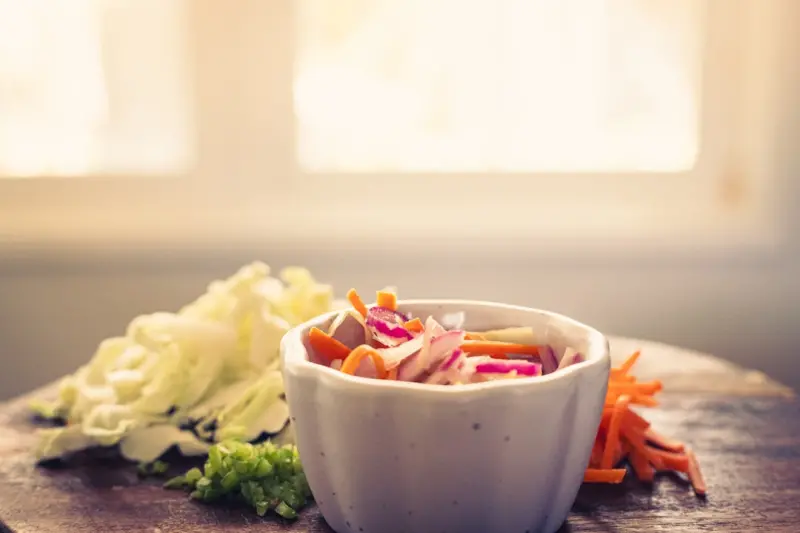
- Shred the cabbage: Use a mandoline or knife to create thin ribbons.
- Massage the salt in: Sprinkle the salt over the cabbage and massage for 5‑7 minutes until the mixture releases its own brine.
- Pack tightly: Transfer the cabbage and brine into the jar, pressing down so the cabbage is fully submerged.
- Weight and cover: Use a fermentation weight or a clean stone to keep the cabbage below the surface. Cover with a breathable cloth to keep out insects while allowing gases to escape.
- Let it sit: Store the jar at room temperature (65‑72°F) for 3‑7 days. Taste daily; when it reaches your preferred tang, refrigerate.
This basic recipe is a gateway. Once you’re comfortable, you can experiment with carrots, beets, or even fruit‑infused ferments. The process teaches patience and observation—two virtues that translate well to any health journey.
Fermented Foods and the Bigger Picture: Connecting Gut Health to Lifestyle
Fermentation doesn’t exist in a vacuum. Pairing it with other tiny daily actions that redefine health—like mindful movement, adequate sleep, and stress‑reduction techniques—creates a synergistic effect. When you listen to your body's signals, you’ll notice improvements in energy, skin clarity, and mental resilience, reinforcing the habit loop.
Imagine starting your day with a probiotic-rich breakfast, taking a brief walk to aid digestion, and ending with a fermented tea that calms the nervous system. This holistic rhythm not only supports a balanced microbiome but also aligns with modern wellness philosophies that prioritize long‑term, sustainable habits over quick fixes.
Addressing Concerns: Safety, Quality, and Allergies
While fermented foods are generally safe, a few precautions ensure you reap the benefits without unintended side effects.
- Start Small: If you’re new to probiotics, begin with a modest serving (¼ cup) and gradually increase to allow your gut to adapt.
- Watch for Histamine Sensitivity: Fermented foods can be high in histamines; those prone to migraines or allergic reactions may need to monitor intake.
- Choose Reputable Brands: Look for products with live, active cultures and minimal additives. If a label lists “pasteurized” or “heat‑treated,” the probiotic benefits are likely diminished.
- Mind the Temperature: Improper fermentation can encourage harmful bacteria. Keep jars at stable, room‑temperature ranges and discard any signs of mold (other than the harmless surface yeasts common to some ferments).
Seasonal Fermentation: Harnessing Nature’s Calendar
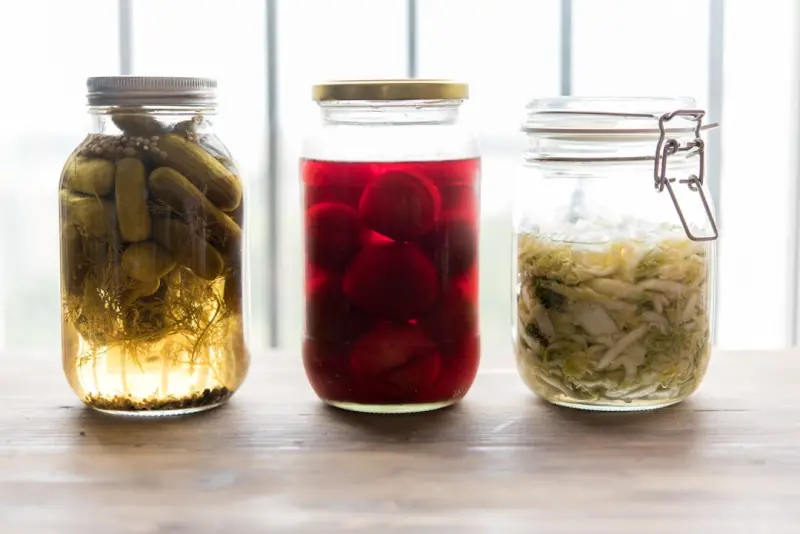
Seasonality adds another layer of richness to fermentation. During the autumn harvest, root vegetables like carrots and turnips become perfect candidates for pickling. In summer, the abundance of cucumbers, tomatoes, and peppers invites quick brine‑based ferments that can be enjoyed fresh. Aligning your ferment projects with the produce calendar not only maximizes flavor but also supports local farmers and reduces food waste.
From Plate to Planet: The Environmental Upside
Fermentation is inherently sustainable. It extends the shelf life of perishable produce, reduces reliance on refrigeration, and cuts food waste—one of the biggest contributors to greenhouse gas emissions. By turning surplus veggies into probiotic‑rich staples, you’re actively participating in a circular food system that benefits both health and the planet.
Wrapping Up: A Call to Ferment Your Way to Better Health
Fermented foods are more than a culinary curiosity; they’re a science‑backed, low‑cost strategy to nurture a resilient gut microbiome, sharpen mental clarity, and foster sustainable eating habits. Whether you choose to buy a jar of kimchi from a trusted market, sprinkle kefir onto your breakfast cereal, or roll up your sleeves for a weekend sauerkraut project, each bite is an investment in your long‑term wellbeing.
So, the next time you’re navigating the aisles of the grocery store, look for those living foods and give them a place at your table. Your gut—and the rest of you—will thank you.

Related Posts

Unlock Peak Performance with a Color‑First Eating Strategy
A practical guide to using the colors of nature—red, orange, blue, green—to fuel sustained energ... Read More

Fermentation: The Secret Weapon for Busy Professionals Seeking Better Health
Fermentation isn’t just a culinary trend; it’s a powerful, low‑maintenance tool for busy profe... Read More

The Hidden Power of Food Pairing: Boosting Nutrition One Plate at a Time
Learn how pairing the right foods—like vitamin C with iron‑rich greens or healthy fats with fa... Read More
Top Posts

Casting Calm: How Ontario’s Lakes Become Natural Therapy Rooms
Ontario’s lakes are more than just fishing spots—they’re quiet therapy rooms where casting a line can lower stress, foster inclusivity, and promote sustai...Read More

Sensory‑First Journeys: Designing Travel That Touches All Five Senses
A fresh look at travel planning that prioritizes the senses, showing readers how to design trips that engage sight, sound, smell, taste, and touch for deeper co...Read More
Fermented Cocktails: Turning Microbes Into Mixology Magic
Explore the art of fermented cocktails—learn the science behind the process, step‑by‑step recipes, perfect food pairings, and how lessons from other indus...Read More

If AI Becomes Your Lawyer: Navigating the New Frontier of Automated Legal Counsel
Artificial intelligence is transforming legal work, from contract drafting to litigation support. This article examines regulatory hurdles, risk management, and...Read More
0 Comments
Post Comment
You will need to Login or Register to comment on this post!