
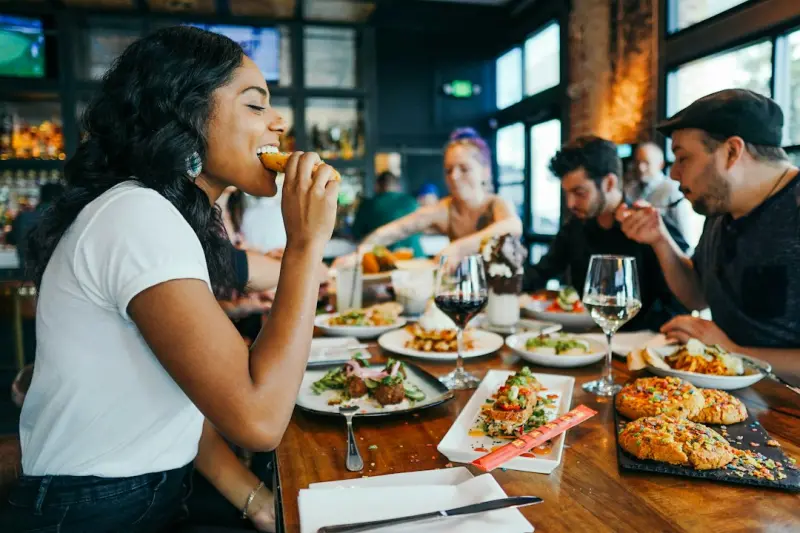
Walking into a restaurant used to be as simple as finding a seat, ordering food, and savoring the flavors. Today, the experience has morphed into a carefully choreographed journey that engages sight, sound, touch, and even smell long before the first bite hits the palate. As someone who has spent a decade hopping between kitchens, pop‑ups, and fine‑dining rooms, I’ve seen the quiet revolution of sensory dining unfold—where technology, design, and storytelling converge to turn a meal into an immersive event.
Why Sensory Dining Matters
Our brains process more than 90% of information through senses other than taste. When a restaurant aligns visual cues, ambient sounds, and tactile elements with the food, it amplifies perceived flavor and creates lasting memories. This isn’t just a gimmick; it’s a scientifically backed strategy that can increase repeat visits, boost check averages, and differentiate a brand in a crowded market.
The Science Behind the Senses
Neuroscience tells us that cross‑modal perception—the way one sense influences another—plays a pivotal role in how we evaluate food. For example:
- Color: Warm hues can make dishes feel spicier, while cool tones soften perceived heat.
- Sound: Background music with a slower tempo can make diners linger, encouraging larger orders.
- Texture: The feel of a tablecloth or the weight of a glass influences the perceived quality of the meal.
- Aroma: Scented environments can pre‑condition taste buds, enhancing flavor intensity.
By consciously designing these elements, restaurateurs can manipulate the dining experience much like a director stages a film.
Tech‑Powered Sensory Layers
Technology has become the backstage crew for these sensory productions. From programmable lighting rigs that shift color palettes between courses, to spatial audio systems that play subtle soundscapes matching the dish’s origin, the toolbox is expanding daily.
Projection mapping is one of my favorite tools. Imagine a seafood platter served on a table where the surface ripples like an ocean, complete with gentle wave sounds. As the next course arrives, the projection changes to a sun‑drenched desert, prepping diners for a spiced lamb dish.
Another trend is AR menu overlays. Guests point their smartphones at a menu item and see a 3D model of the dish, accompanied by a short video of the sourcing journey. This not only excites the visual sense but also builds trust through transparency.
Ambient Storytelling: The Narrative of a Meal
Every great restaurant has a story—whether it’s a family legacy, a regional homage, or an avant‑garde concept. Modern eateries are embedding that narrative into every sensory touchpoint.
Take the concept of colorful nutrition trends. A chef might design a tasting menu where each course represents a color of the rainbow, paired with corresponding music and lighting. The result is a multisensory celebration of health and aesthetics that feels cohesive rather than disjointed.
Similarly, some establishments are incorporating urban edible installations into their dining rooms. Live herb walls, miniature orchard tables, and even hanging fruit installations allow diners to touch and smell fresh produce before it reaches their plates, bridging the gap between farm and fork.
Menu Design as a Sensory Blueprint
Menus are no longer static paper sheets. The layout, typography, and even the paper stock can cue sensory expectations. A menu printed on textured, recycled paper can suggest an earthy, sustainable cuisine, while a sleek, matte black booklet hints at a modern, minimalist experience.
Beyond aesthetics, the order of dishes can be engineered to build a sensory crescendo. Starting with light, bright flavors that awaken the palate, moving to richer, deeper notes, and concluding with a clean, palate‑cleansing finale creates a narrative arc—much like a symphony.
Case Studies: Sensory Wins in Action
While many restaurants are experimenting, a few have set the benchmark:
- The Luminary in downtown Seattle employs a synchronized lighting system that dims to a deep indigo during a wine‑pairing course, enhancing the wine’s aromatic profile.
- TerraTable in Vancouver integrates a live kitchen garden visible to diners, allowing guests to pluck herbs themselves—a tactile and aromatic addition that raises perceived freshness by 30%.
- Sonic Spoon in Toronto uses a subtle soundscape of street markets and distant chatter during its “World Street Food” menu, creating a contextual backdrop that elevates flavor authenticity.
These examples illustrate how aligning multiple senses can transform a routine dinner into a memorable event that diners share on social media, driving organic buzz.
Practical Steps for Restaurateurs
If you’re intrigued but unsure where to start, here’s a roadmap:
- Audit Your Current Sensory Profile: Walk through your space and note lighting, acoustics, scent, texture, and visual elements. Ask staff and regulars for feedback.
- Define Your Narrative: What story do you want to tell? Align every sensory decision—from menu design to background music—with this narrative.
- Start Small: Introduce one change at a time, such as a curated playlist for each service or a signature scent diffuser at the entrance.
- Leverage Technology Wisely: Invest in scalable solutions like programmable LED strips or wireless speakers before committing to full‑blown projection mapping.
- Train Your Staff: Front‑of‑house and kitchen teams should understand the sensory goals to convey them consistently to guests.
- Measure Impact: Track repeat bookings, average spend, and social media mentions. Use guest surveys to gauge perceived enhancements.
Future Outlook: The Next Wave of Sensory Innovation
Looking ahead, we can expect AI to personalize sensory settings on the fly. Imagine a system that adjusts lighting and music based on a diner’s known preferences or even real‑time biometric feedback. Moreover, sustainability will intertwine with sensory design—using renewable energy for lighting effects, biodegradable scent cartridges, and locally sourced décor.
There’s also a growing appetite for virtual‑reality pre‑dining experiences. Guests could don a lightweight headset before their reservation, journeying through the chef’s farm or the origin story of a signature dish, priming their senses for the real‑world encounter.
Conclusion
Sensory dining isn’t a fleeting fad; it’s a strategic evolution that merges art, science, and technology to create moments that linger long after the plate is cleared. By thoughtfully orchestrating sight, sound, smell, and touch, restaurants can elevate the simple act of eating into a full‑bodied experience—one that diners not only savor but also share.
Whether you’re a seasoned chef, a boutique café owner, or a venture‑backed concept, embracing the multi‑sensory approach can set your brand apart in a market hungry for novelty and authenticity. The stage is set, the lights are waiting, and the first note is about to play. Are you ready to compose your restaurant’s next sensory masterpiece?

Related Posts

Why Real‑Time Data Is the New Front‑Row Seat in Restaurants
Discover how real‑time data is revolutionizing restaurant operations—from kitchen dashboards and... Read More
Why Hyperlocal Sourcing Is the Secret Sauce for Modern Restaurants
An in‑depth look at how turning to nearby farms and producers can lower costs, reduce waste, and d... Read More
Beyond Taste: Crafting Multi‑Sensory Restaurant Experiences That Keep Guests Coming Back
Discover the power of multi‑sensory design in restaurants—from curated soundscapes and signature... Read More
Top Posts

Unlock Hidden Profits: How Micro‑Revenue Streams Can Future‑Proof Your Business
Learn to identify, price, and launch micro‑revenue streams from underused assets, turning hidden value into a steady, resilient income source....Read More

Human‑Centric Contracts: How Legal Design Is Reshaping SaaS Agreements
Legal design turns traditional SaaS contracts into transparent, visual agreements that align with modern product development, lowering risk and fostering strong...Read More

Parental Warning: The Rise of AI-Powered Homework Assistants
AI-powered homework assistants promise instant answers, but they pose serious privacy, cognitive, and ethical challenges. This guide warns parents about the hid...Read More

Data Localization in Canada: What SaaS Providers Must Know
Data residency is reshaping SaaS in Canada. This guide breaks down the legal requirements, contract redesign, tech choices, and future trends to help providers ...Read More
0 Comments
Post Comment
You will need to Login or Register to comment on this post!