

From Farm to Fork, and Back Again: The Hyperlocal Revolution in Restaurants
When I first walked into a downtown bistro that boasted “30‑minute farm‑to‑table” on its chalkboard, I expected a menu that looked like a farmer’s almanac. What I got was a lively conversation with the chef about the lettuce that was harvested just blocks away, the tomatoes that were still warm from the local greenhouse, and the fact that the restaurant’s entire supply chain was mapped out on a single spreadsheet. That experience sparked a question that has haunted me ever since: what if every restaurant could turn its neighborhood into a culinary ecosystem?
The Old Supply Chain Was Never Really “Old”
For decades, the restaurant industry has relied on a sprawling, multi‑tiered supply chain that spans continents. While this model offers variety, it also introduces a host of inefficiencies—long transit times, inflated freight costs, and a carbon footprint that would make even the most seasoned sustainability officer wince. If you’ve ever read Hidden Costs in Modern Living You’re Overlooking, you’ll recognize the subtle, often invisible expenses that accumulate when you ship a single avocado from a farm halfway around the world to a city‑center kitchen.
Those hidden costs are not just financial. They manifest as flavor loss, inconsistent quality, and a disconnect between the diner and the source of their food. In an age where consumers are increasingly curious about provenance, the traditional model feels like a relic from an era when “farm‑to‑table” was a marketing buzzword rather than a lived reality.
Enter Hyperlocal Sourcing: A New Paradigm
Hyperlocal sourcing flips the script. Instead of looking outward for ingredients, restaurants turn inward, tapping into the agricultural bounty that exists within a 5‑ to 20‑kilometer radius. This approach is more than a logistical tweak; it’s a philosophical shift that redefines the relationship between chef, farmer, and diner.
- Speed. Ingredients are harvested, delivered, and plated within hours, preserving peak flavor and nutritional value.
- Cost Efficiency. By cutting out middlemen and reducing freight miles, restaurants can negotiate better pricing and reinvest savings into staff, technology, or menu innovation.
- Sustainability. Shorter transport routes mean lower greenhouse‑gas emissions and less food waste, aligning with the growing consumer demand for eco‑friendly dining.
- Community Building. When a restaurant sources from a local farm or a community garden, it becomes a catalyst for economic development and social cohesion.
Why Diners Are Starting to Care
Modern diners are savvy. They scroll through Instagram, read reviews on niche food blogs, and ask their servers about the origin of the fish on their plates. A study by the National Restaurant Association found that over 70 % of consumers are willing to pay a premium for locally sourced meals. The desire for transparency is not a passing trend; it’s a cultural shift toward authenticity.
Hyperlocal sourcing feeds that desire. When a menu item is labeled “grown on the rooftop garden behind our kitchen,” it does more than inform—it tells a story. Stories drive loyalty. They turn one‑off visitors into regulars who feel personally invested in the restaurant’s success.
Technology: The Unsung Hero Behind the Scenes
Implementing a hyperlocal model used to be a logistical nightmare, but today’s digital toolkit makes it surprisingly manageable. Real‑time inventory platforms, predictive analytics, and blockchain traceability combine to give chefs a live view of what’s in season, how much is available, and the exact carbon footprint of each ingredient.
For example, a cloud‑based ordering system can automatically match a chef’s weekly menu plan with the weekly harvest forecast from nearby farms. If a storm threatens a blueberry crop, the system suggests alternative berries that are currently thriving, ensuring the menu stays fresh without last‑minute scrambles.
Case Study: The “Neighborhood Plate” Model
Take Harvest & Hearth, a mid‑size bistro in a suburban enclave that embraced the “Neighborhood Plate” model last year. They partnered with three local producers—a dairy farm, an herb rooftop, and a community‑run fish hatchery. Within six months, they reported:
- A 12 % reduction in food‑cost variance.
- A 20 % drop in waste measured by pre‑portioning errors.
- An increase in repeat customers by 15 %, largely attributed to the “locally sourced” branding on their menu.
The secret? They used a simple, shared spreadsheet that logged every incoming batch, its origin, and its expected shelf life. This transparency not only streamlined operations but also gave the marketing team authentic stories to share on social media.
Challenges and How to Overcome Them
While the benefits are compelling, hyperlocal sourcing is not without hurdles. Below are the most common challenges and practical ways to navigate them.
1. Seasonal Gaps
Not every ingredient is available year‑round. Solution: Build a “core‑plus‑seasonal” menu. Keep staple items (e.g., grains, legumes) that are shelf‑stable, and rotate fresh produce as it becomes available. This approach maintains menu stability while still showcasing local bounty.
2. Supplier Reliability
Small farms can be vulnerable to weather, labor shortages, or equipment failure. Solution: Diversify your supplier base. Establish relationships with multiple growers for the same product category. Also, consider a Shared Workshops model where nearby restaurants pool orders to provide farms with larger, more predictable demand.
3. Price Volatility
Local producers may lack the economies of scale that large distributors enjoy. Solution: Negotiate long‑term contracts with price caps or use a sliding‑scale payment model based on harvest yields. Transparency in pricing builds trust and can lead to mutually beneficial agreements.
4. Regulatory Hurdles
Food safety regulations can be more complex when dealing with multiple micro‑suppliers. Solution: Work with a local food safety consultant who can help you develop a standardized audit checklist for all partners. Many municipalities now offer “farm‑to‑restaurant” certification programs that simplify compliance.
Steps to Build Your Hyperlocal Supply Chain
Ready to make the leap? Here’s a roadmap that has helped dozens of restaurateurs transition smoothly.
- Map Your Radius. Use GIS tools or even a simple map to identify farms, fisheries, and growers within a 20‑km radius.
- Conduct a Needs Assessment. List every ingredient you use weekly and categorize them by criticality and seasonality.
- Reach Out. Initiate conversations with potential partners. Attend local farmers’ markets, join agricultural co‑ops, and attend community food forums.
- Pilot Small. Start with a single ingredient—perhaps a herb or a leafy green—and integrate it into one dish. Track cost, waste, and customer feedback.
- Scale Gradually. Once the pilot proves successful, add more items, always keeping an eye on inventory turnover and supplier reliability.
- Leverage Tech. Implement a cloud‑based inventory system that syncs directly with your point‑of‑sale (POS) to automate re‑ordering and waste tracking.
- Tell the Story. Use menus, table tents, and digital channels to highlight the local origin of each ingredient. This narrative is a powerful marketing asset.
The Future: Hyperlocal Meets Hyperpersonalization
Imagine a dining experience where the menu not only reflects what’s growing in the neighborhood but also adapts to the individual palate of each guest. With AI‑driven taste profiling and real‑time data from local farms, chefs could craft personalized plates that align with a diner’s dietary preferences, allergen concerns, and even mood.
While this sounds futuristic, the building blocks are already in place. The same data infrastructure that powers hyperlocal sourcing can be layered with customer preference engines, turning a “farm‑to‑table” restaurant into a “farm‑to‑you” experience.
Conclusion: The Bottom Line on Hyperlocal
Hyperlocal sourcing is more than a trend; it’s a strategic response to the evolving expectations of diners, the urgent need for sustainability, and the economic realities of running a modern restaurant. By embracing the community’s agricultural assets, restaurants can lower costs, reduce waste, and forge stronger bonds with their patrons.
If you’re a restaurateur who’s still skeptical, ask yourself: what value am I missing by ignoring the garden just outside my back door? The answer may surprise you, and the journey from farm to fork could become the most rewarding chapter of your culinary story.

Related Posts

The Secret Sauce: AI‑Driven Sensory Analytics Transform Restaurants
AI‑driven sensory analytics let restaurants fine‑tune lighting, sound, scent, and temperature to... Read More
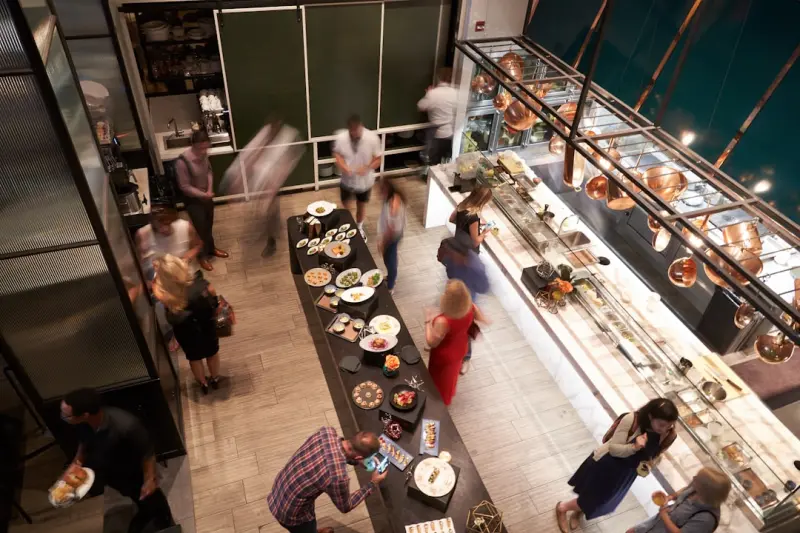
Why Hyper‑Local Pop‑Up Kitchens Are Redefining the Dining Experience
Explore the rise of hyper‑local pop‑up kitchens, where chefs experiment freely, diners enjoy imm... Read More

When Algorithms Meet the Kitchen: AI’s Role in Shaping Tomorrow’s Menus
This article delves into how AI is becoming a sous‑chef, driving flavor innovation, sustainability... Read More
Top Posts
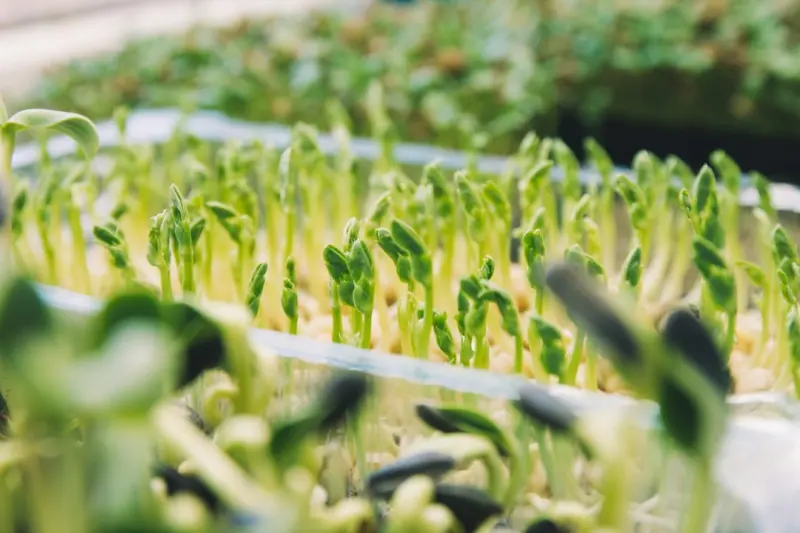
Harvesting Health: How Home-Grown Microgreens Supercharge Your Diet
Microgreens deliver concentrated nutrition in a tiny space, making them perfect for busy lifestyles. Learn how to grow, harvest, and incorporate these powerhous...Read More
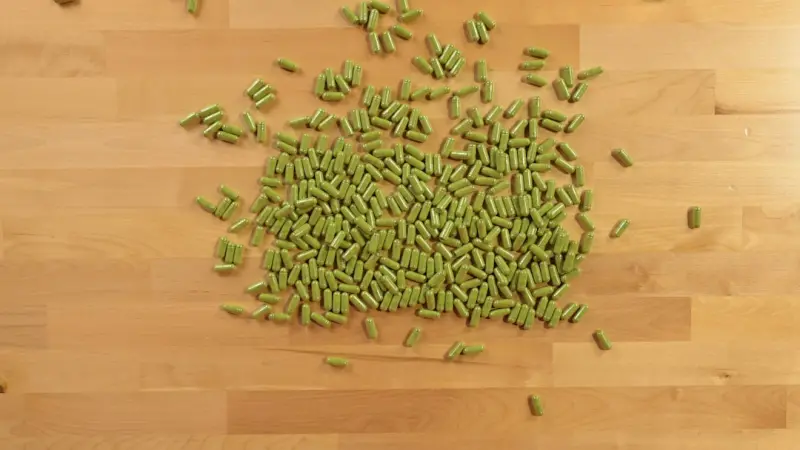
Microgreens: The Fast‑Track Superfood for Busy Lives
Microgreens, harvested just days after sprouting, offer a concentrated source of vitamins, antioxidants, and flavor. This guide walks you through choosing varie...Read More

National Storytelling: Digital Platforms Reviving Canada’s Regional Voices
A deep dive into Canada’s emerging national storytelling movement, showing how localized digital platforms preserve regional narratives, boost local economies...Read More

National Digital Identity: Trust, Inclusion, and Innovation
A national digital identity can streamline access to services, protect privacy, and drive economic growth across Canada. This post outlines its benefits, techni...Read More
0 Comments
Post Comment
You will need to Login or Register to comment on this post!