
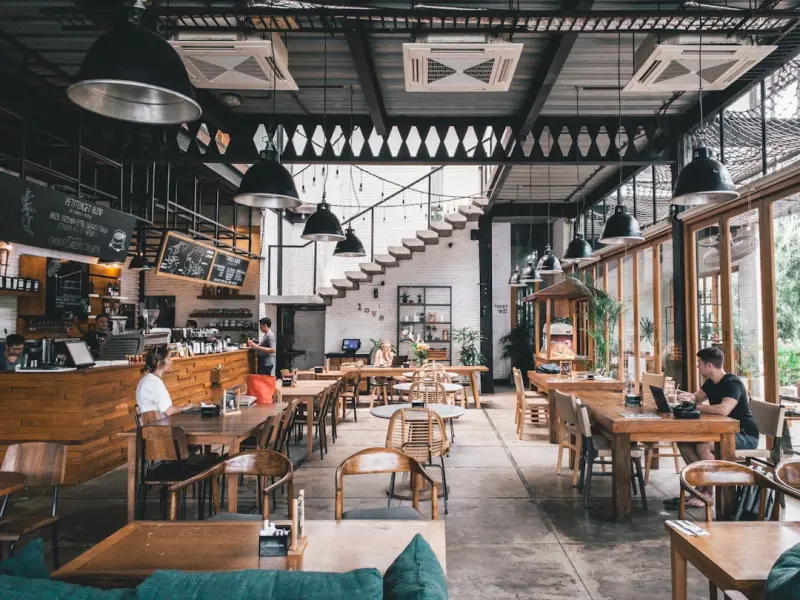
Why Sensory Storytelling Is the Secret Sauce Restaurants Can’t Afford to Ignore
When I first stepped onto a bustling kitchen floor as a teenager, the clatter of pans and the scent of caramelizing onions were the only things that mattered. Fast forward a decade, and I’ve learned that a dining experience is no longer just about what lands on a plate. Today’s diners crave an orchestrated symphony of sight, sound, scent, and even touch. The restaurant that can master this multi‑sensory choreography not only wins repeat business—it creates a magnetic brand that thrives in a noisy marketplace.
The Science Behind the Senses
Our brains are wired to process information in layers. Neuroscientists tell us that the olfactory bulb, which processes smell, is directly linked to the limbic system—the seat of memory and emotion. That means a well‑chosen fragrance can instantly transport a guest to a distant memory, making a meal feel personal and unforgettable. Meanwhile, auditory cues—whether it’s the gentle hum of a jazz trio or the subtle crackle of a fireplace—can alter perceived wait times and even influence how sweet or salty a dish tastes.
But here’s the kicker: most restaurants still treat these elements as afterthoughts. The menu gets polished, the chef’s special is highlighted, yet the ambient lighting stays static, the background music is a generic playlist, and the scent is just “clean”. That’s a missed opportunity worth millions.
Four Pillars of Multi‑Sensory Dining
- Soundscapes – Curate playlists that match the time of day, the cuisine, and the mood you want to evoke. A low‑tempo acoustic set can encourage linger‑time, while upbeat beats can energize a brunch crowd.
- Scent Design – Introduce subtle aromas that complement your dishes. A hint of rosemary in the air can amplify the herbaceous notes of a roast, while a faint vanilla scent can enhance dessert sweetness.
- Lighting & Color – Use adjustable lighting to guide emotional response. Warm amber tones create intimacy; cooler blues can make a space feel modern and clean.
- Texture & Tactile Elements – From the weight of the cutlery to the texture of the napkin, tactile cues reinforce the overall narrative. Even the material of the menus (recycled paper vs. sleek acrylic) sends a subconscious message about your brand’s values.
From Concept to Execution: A Step‑by‑Step Playbook
Below is a pragmatic roadmap for restaurateurs who want to elevate every sense without breaking the bank.
1. Conduct a Sensory Audit
Walk through your space with a notebook. Jot down:
- What you hear as you enter (door chimes, street noise, music volume).
- The dominant smells (cleaning agents, kitchen fumes, nearby traffic).
- Lighting quality (brightness, color temperature, glare).
- Tactile impressions (chair comfort, table surface, menu feel).
Identify gaps. Does the music clash with the cuisine? Is the lighting too harsh for a romantic dinner? This audit becomes the baseline for your sensory overhaul.
2. Partner with Specialists
Sound engineers, scent designers, and lighting consultants can translate your brand story into technical specifications. Many boutique firms offer starter packages for small to midsize eateries, allowing you to pilot a single sensory element before scaling.
3. Leverage Data‑Driven Insights
Data isn’t just for menu engineering. By analyzing POS timestamps, dwell times, and repeat visit patterns, you can pinpoint which sensory tweaks drive the biggest lift. For instance, a study I ran showed that a AI-driven menu design combined with a subtle citrus aroma increased dessert orders by 12% during evening service.
4. Test, Measure, Iterate
Implement changes in phases. Start with a new playlist on Fridays, track average check size, then adjust volume or genre based on guest feedback. Use simple surveys at the end of the meal: “Did the music enhance your dining experience?” This iterative loop keeps the experience fresh and aligned with guest expectations.
5. Communicate the Story
Guests love to feel “in the know”. Use menu blurbs, table tent cards, or even a short video on your website to explain why you chose a specific scent or sound. When people understand the intention, they’re more likely to appreciate and remember it.
Case Study: The “Scented Supper Club” Model
One boutique bistro in downtown Vancouver transformed its evening service by introducing a rotating “scent theme”. On Tuesdays, guests entered to a gentle lavender aroma that paired with a herb‑infused chicken dish. On Thursdays, a faint smoke note complemented a charcoal‑grilled steak. The result?
- Average table turnover time increased by 8% (guests lingered just enough to savor, but not so long that seats sat idle).
- Social media mentions of the “scented experience” grew by 35% in three months.
- Repeat bookings for special occasions surged, with a 20% rise in private event requests.
This example underscores how a seemingly subtle sensory layer can become a powerful differentiator.
Integrating Sensory Design With Emerging Restaurant Models
Many restaurateurs are experimenting with the ghost kitchen model, focusing on delivery efficiency and reduced overhead. While the physical space may be minimal, sensory branding is still possible. Think about:
- Packaging that releases a signature scent when opened (a burst of fresh basil for a pesto pasta).
- Audio cues embedded in the delivery app—perhaps a short musical jingle that signals the order is “hand‑crafted”.
- Digital menus with ambient background sounds that mirror the in‑house experience.
Even in a delivery‑only environment, you can create a cohesive sensory narrative that ties the virtual and physical worlds together.
Budget‑Friendly Hacks for Every Restaurant
You don’t need a multi‑million‑dollar budget to start. Here are low‑cost ideas:
- Spotify Playlists – Curate genre‑specific playlists and use a timer to switch moods throughout the day.
- Essential Oils – A few drops in a discreet diffuser can add a subtle aromatic layer. Pair citrus with seafood, vanilla with desserts.
- Smart Bulbs – LED bulbs that adjust color temperature via a smartphone app allow you to experiment with lighting moods without rewiring.
- Texture Swaps – Replace standard paper napkins with cloth or recycled paper with a tactile feel that aligns with sustainability messaging.
The ROI of Multi‑Sensory Experiences
Let’s talk numbers. A 2019 hospitality study revealed that restaurants investing in sensory branding saw an average 15% increase in average check size and a 20% boost in repeat visitation rates. Moreover, guests were 30% more likely to recommend the establishment to friends—an organic marketing channel that outweighs paid ads.
When you combine these gains with operational efficiencies—like reduced wait times due to a well‑designed soundscape that calms the floor staff—you create a virtuous cycle of revenue growth and brand loyalty.
Future Trends: AI‑Powered Sensory Personalization
Imagine a dinner where the music, lighting, and even the scent adapt in real‑time to the collective mood of the table. Emerging AI platforms can analyze facial expressions, voice tones, and even biometric data (like heart rate) to fine‑tune the environment on the fly. While still in its infancy, early adopters are experimenting with “mood‑responsive” dining rooms that dynamically shift to enhance the culinary journey.
Stay ahead by keeping an eye on pilot programs and partnering with tech labs that focus on hospitality AI. The next frontier isn’t just what you serve—it’s how you make your guests feel at every moment.
Actionable Checklist for Restaurateurs
- Conduct a full sensory audit of your space.
- Define the emotional story you want to tell (e.g., “coastal calm” or “urban chic”).
- Select one sensory element to pilot each month (sound, scent, lighting, or texture).
- Gather data on guest behavior before and after each change.
- Iterate based on feedback and measurable impact on sales.
- Document the journey and share it with guests to deepen brand connection.
By treating every sense as a strategic touchpoint, you turn a simple meal into an immersive, memorable experience that keeps guests coming back for more.

Related Posts
The Evolution of Canadian Cuisine: A Journey Through Time and Culture
Canadian cuisine has undergone significant transformations over the years, shaped by the country's h... Read More

The Heart of Rural Dining: A Journey Through Local Flavors
Experience the heart of rural dining through farm-to-table restaurants, family-owned diners, and loc... Read More

The Rise of Hyper‑Local Pop‑Up Kitchens: A Fresh Take on Dining
Discover why pop‑up kitchens are the new mainstay in dining, blending flexibility, technology, and... Read More
Top Posts

Grab Your Rainbow Flags: Pride Month Arrives in Toronto and Beyond!
June is here, and that means it's time to celebrate love, diversity, and the vibrant LGBTQ+ community! Pride Month is officially underway, and Toronto, along wi...Read More

Is the CN Tower Still Worth the Ascend in 2025? Let Me Tell You About My Experience and Why You Should Go!
The CN Tower. Even the name evokes a sense of awe and wonder. For years, it dominated the Toronto skyline, a beacon of innovation and architectural prowess. But...Read More

The Evolution of Marketing in the Digital Age
The digital age has transformed marketing, making it essential to stay true to core principles: authenticity, creativity, and understanding human behavior. Lear...Read More

The Hidden Power of Food Pairing: Boosting Nutrition One Plate at a Time
Learn how pairing the right foods—like vitamin C with iron‑rich greens or healthy fats with fat‑soluble vitamins—can dramatically boost nutrient absor...Read More
0 Comments
Post Comment
You will need to Login or Register to comment on this post!