
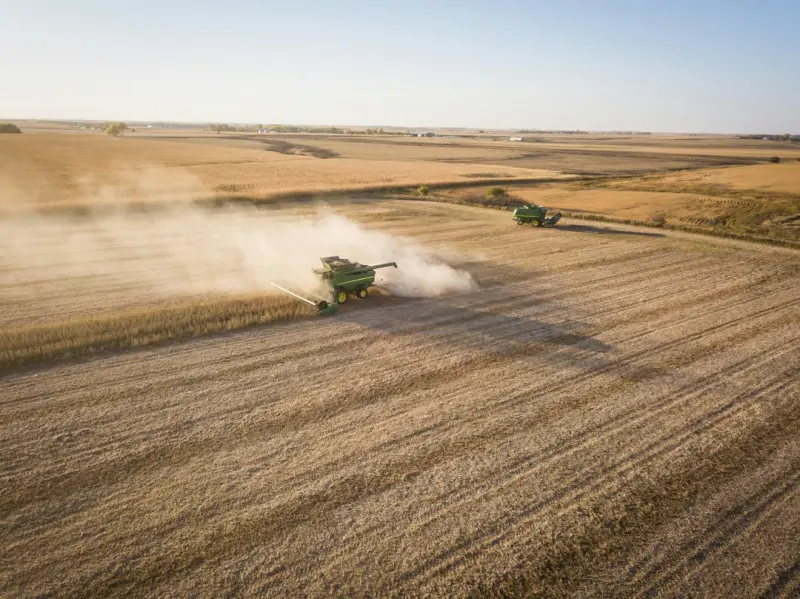
Powering the Prairie: How Canadian Farmers Are Turning to Renewable Energy
When you picture a Canadian farm, the first images that come to mind are endless fields of wheat swaying under a bright sky, a red barn perched against a horizon of aspen, and the hum of a tractor at dawn. What many people don’t see, however, is the quiet revolution humming above the corn stalks and beneath the rolling hills: a wave of renewable energy projects that are reshaping the economics, sustainability, and resilience of family farms across the country.
In the past decade, the cost of solar panels, wind turbines, and biogas digesters has dropped dramatically, while government incentives and carbon‑pricing mechanisms have made clean power not just an ethical choice, but a financially savvy one. Today, Canadian farmers are not only producing food; they are generating electricity, capturing methane, and creating new revenue streams that help buffer against volatile commodity prices and unpredictable weather.
The Economic Imperative: From Cost Center to Cash Generator
Traditionally, energy has been a major expense on farms. Running irrigation systems, climate‑controlled greenhouses, grain dryers, and livestock ventilation can quickly eat into profit margins. By installing a 250‑kilowatt solar array, a mid‑size grain farm in Saskatchewan can offset up to 70 % of its annual electricity consumption, translating into savings of $20,000–$30,000 each year. Those numbers are not just theoretical; they are being realized on the ground.
Beyond savings, many farms are selling excess power back to the grid under net‑metering agreements. In Ontario, a dairy operation in the Niagara region installed a 500‑kilowatt wind turbine that now generates roughly 1.5 million kilowatt‑hours annually—enough to power over 150 homes. The farm sells this surplus energy through a power purchase agreement (PPA), turning a former cost center into a reliable income source that can be reinvested in equipment upgrades or diversified crop trials.
For smaller operations, community‑owned micro‑grids are emerging as a powerful model. Farmers pool resources to purchase a shared solar farm, splitting the output proportionally. This collaborative approach reduces upfront capital requirements and spreads risk, while also fostering tighter ties between neighboring producers—a concept echoed in recent discussions about the importance of micro‑communities for B2B brands Why B2B Brands Must Invest in Micro‑Communities to Win the Trust Economy.
Technology Meets Tradition: The Rise of Agri‑Tech Energy Solutions
Modern farms are becoming data‑rich environments. Precision agriculture tools—soil moisture sensors, drone‑based NDVI mapping, and AI‑driven yield forecasts—require reliable power. Renewable installations are now being paired with smart inverters and battery storage systems that optimize when to draw from the grid versus the on‑site generation.
Take the example of a mixed‑crop farm in the Okanagan Valley that integrated a 1‑megawatt battery system with its solar array. The battery stores excess daytime generation and releases it during peak demand periods, such as when the irrigation pumps run at night. This not only reduces reliance on the grid but also captures the higher tariff rates that utilities levy during peak hours, turning the battery into a profit‑center.
Emerging technologies like agrivoltaics—where solar panels are mounted at a height that allows crops to grow underneath—are also gaining traction. Researchers at the University of Alberta have demonstrated that certain shade‑tolerant crops, like lettuce and kale, can thrive under a canopy of panels, while the electricity generated offsets the farm’s energy costs. This dual‑use approach maximizes land productivity, a critical advantage given the increasing pressure on agricultural acreage.
Biogas: Turning Waste into Wealth
Livestock operations have long faced the challenge of managing manure—a nutrient‑rich but environmentally problematic by‑product. Anaerobic digesters convert this organic waste into biogas, a renewable natural gas that can fuel farm equipment, heat barns, or be injected into the natural gas grid.
In a recent case study, a dairy farm in Prince Edward Island installed a 2,000‑cubic‑meter digester that now produces enough methane to power its milking parlors, heat water for cleaning, and generate electricity for the on‑site feed mill. The resulting carbon credits and government subsidies have pushed the project's payback period to under five years—far quicker than many traditional infrastructure upgrades.
Beyond the direct energy benefits, biogas projects help farms meet increasingly stringent environmental regulations around nitrogen runoff and greenhouse gas emissions, positioning them as leaders in climate stewardship.
Policy Landscape: Incentives, Regulations, and the Path Forward
Federal and provincial programs have played a crucial role in accelerating adoption. The Canada‑wide Canada Green Fund offers up to 40 % cost‑share for renewable energy projects that meet specific sustainability criteria. Ontario’s Feed‑In Tariff and Alberta’s Renewable Electricity Program provide guaranteed pricing for renewable electricity sold into the grid for up to 20 years, giving farmers the certainty needed to secure financing.
However, navigating the web of permits, interconnection agreements, and eligibility requirements can be daunting. Many farmers are turning to cooperative extension services and specialized consultants to guide them through the process. The rise of farmer‑focused renewable energy cooperatives has also created a knowledge‑sharing platform where best practices—ranging from turbine siting to battery sizing—are exchanged freely.
One compelling example of knowledge sharing can be found in the broader conversation around regenerative agriculture Regenerative Roots: How Canadian Farmers Are Redefining Soil Health and Community Resilience. While that piece focuses on soil health, the underlying principle of community‑driven innovation applies equally to renewable energy projects.
Challenges and Mitigation Strategies
Despite the clear benefits, renewable energy adoption is not without challenges. High upfront capital costs, technical expertise gaps, and the intermittency of solar and wind power can pose barriers.
- Financing:** Leveraging government grants, low‑interest loans, and third‑party ownership models (such as power purchase agreements) can alleviate the financial burden.
- Technical expertise:** Partnering with local universities, extension services, and renewable energy firms that specialize in agricultural settings helps ensure proper design and maintenance.
- Intermittency:** Combining multiple renewable sources (e.g., solar plus wind) and integrating battery storage smooths out generation curves, ensuring a reliable power supply for critical farm operations.
Future Outlook: A Resilient, Energy‑Independent Agriculture
Looking ahead, the convergence of renewable energy, digital agriculture, and collaborative business models promises to transform Canadian farming into a more resilient, low‑carbon, and financially robust sector. As climate variability intensifies, farms that generate their own clean power will be better equipped to withstand droughts, heatwaves, and supply chain disruptions.
Moreover, the societal impact extends beyond the farm gate. By feeding clean electricity into local grids, farms contribute to the broader decarbonization of rural communities, support local jobs in the renewable sector, and demonstrate a model of sustainable stewardship that resonates with consumers increasingly demanding environmentally responsible food.
In the words of many forward‑thinking producers, “Our fields have always fed the nation. Now they’ll also power it.” The renewable energy revolution on Canadian farms is not just an environmental imperative—it’s an economic catalyst, a community builder, and a beacon of innovation for the next generation of agricultural leaders.

Related Posts

Harvesting Power Together: The Cooperative Wave Transforming Canadian Agriculture
Canadian farmers are banding together in cooperatives, sharing resources, technology, and market pow... Read More
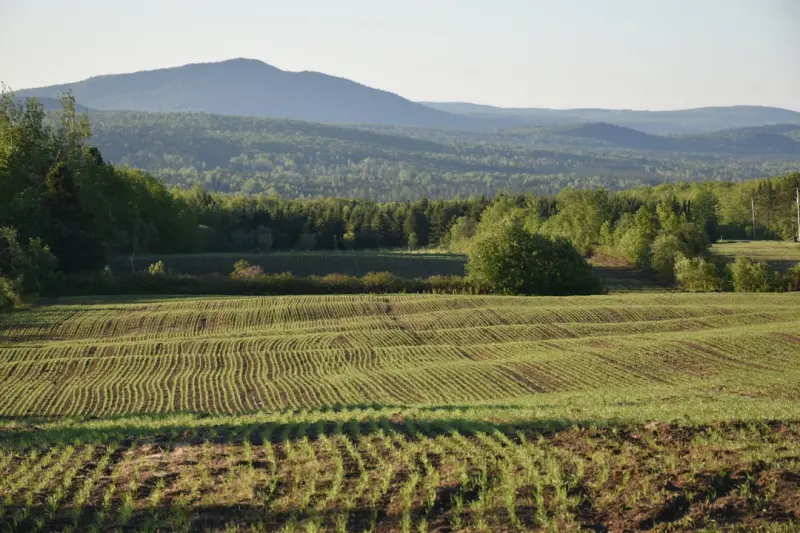
Regenerative Farming: Canada’s Rural Revival
A deep dive into regenerative agriculture on Canadian farms, exploring soil health, livestock integr... Read More
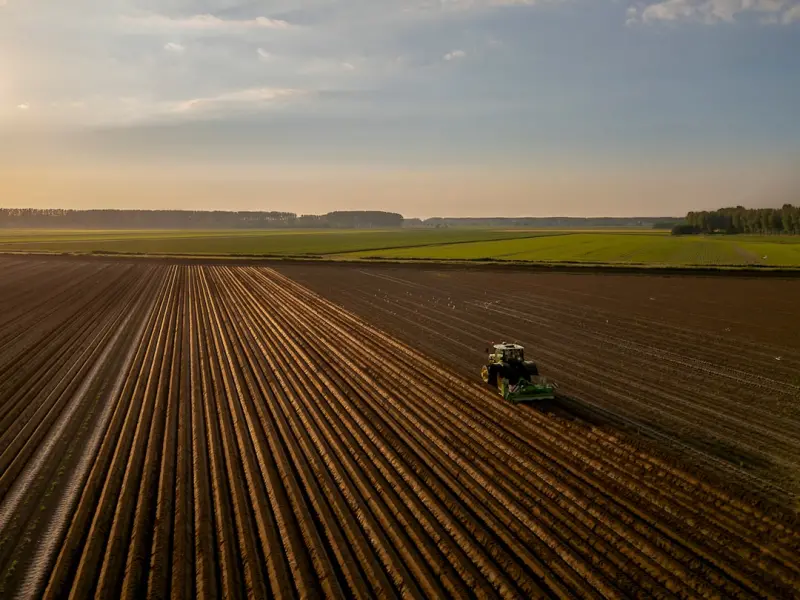
From Seed to Sensor: Canadian Farmers Harness Real‑Time Data for a Greener Tomorrow
Canadian farmers are turning to real‑time data, IoT sensors, and AI to boost productivity, reduce ... Read More
Top Posts

Sailing Green: How Cruises and Bus Tours Are Pioneering Sustainable Travel
A deep dive into the emerging sustainability movement within cruise lines and bus tour operators, highlighting innovative practices, traveler benefits, and the ...Read More

The Canadian Dental Care Plan: Expanding Access to Affordable Dental Care
The Canadian Dental Care Plan (CDCP) has emerged as a significant initiative aimed at improving the affordability of dental care for eligible Canadians. With a ...Read More

Unlocking the Sprout Revolution: How Tiny Greens Supercharge Your Health
Sprouting turns humble seeds into nutrient‑dense greens that enhance digestion, reduce waste, and fit effortlessly into everyday meals—offering a simple, sc...Read More
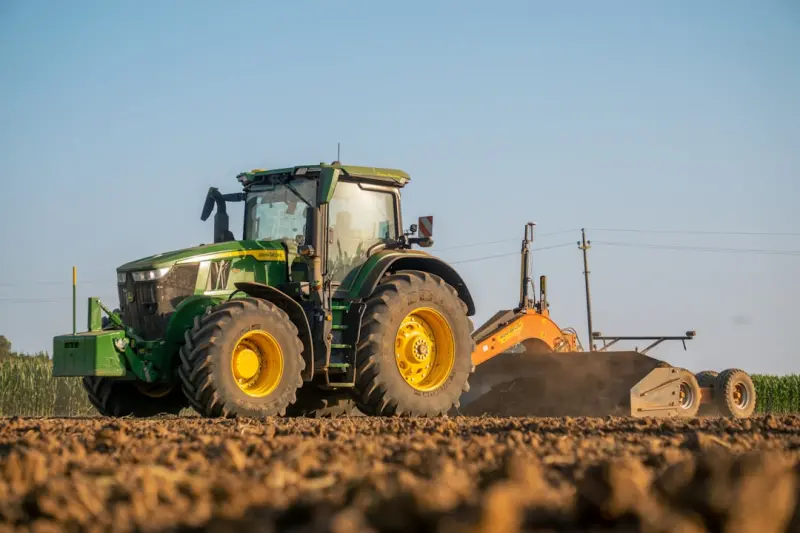
From Soil to Screen: How Canadian Farmers Are Redefining Rural Resilience
A farmer’s eye view of the new era in Canadian agriculture—regenerative soil care, digital tools, mental‑health networks, and direct‑to‑consumer ventu...Read More
0 Comments
Post Comment
You will need to Login or Register to comment on this post!