
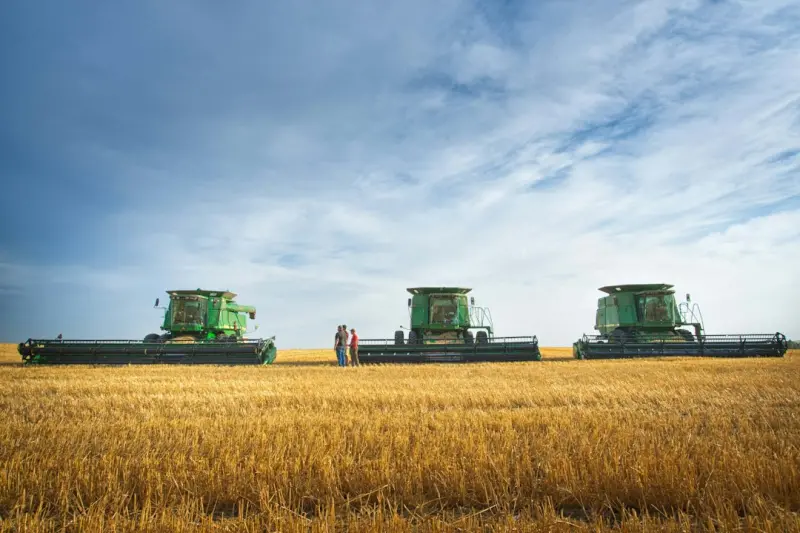
From Field to Fork: Building Direct Digital Brands on Canadian Soil
When I grew up watching the endless rows of wheat sway in the prairie wind, the idea of “branding” a farm felt as foreign as a city skyline. Yet today, a new generation of Canadian growers is turning the very concept of a farm into a recognizable, trusted brand that lives online as much as it does in the soil. This isn’t about flashy logos or celebrity endorsements; it’s about authenticity, technology, and community‑driven value that connects producers directly with the people who eat their harvest.
Why Direct‑to‑Consumer Matters for Canadian Growers
For decades, Canadian agriculture has relied on a chain of intermediaries: grain elevators, processors, distributors, and retailers. While this system has kept food moving at scale, it also creates price compression, reduces transparency, and dilutes the story of the farmer behind the product. In an age where shoppers crave traceability and a personal connection to their food, the old model is showing cracks.
By establishing a direct digital presence, farmers can:
- Capture a larger share of the retail price. Cutting out middlemen means more revenue can be reinvested into the farm.
- Tell a genuine story. Consumers can learn about soil stewardship, family heritage, and seasonal rhythms directly from the source.
- Gather real‑time feedback. Online platforms enable growers to adjust planting schedules or product offerings based on buyer preferences.
- Build resilient revenue streams. Subscription boxes, CSA (Community Supported Agriculture) programs, and pre‑order models smooth out cash flow throughout the year.
The Digital Toolset: From Simple Websites to Full‑Scale Marketplaces
Launching a digital brand doesn’t require a multi‑million‑dollar tech stack. Many successful farms start with a modest website and a handful of social channels. However, as the business scales, a more robust ecosystem can amplify reach and efficiency.
1. E‑Commerce Platforms Tailored for Agriculture
Platforms such as Shopify, WooCommerce, and specialized farm‑market solutions allow growers to set up online stores with inventory management, payment processing, and shipping integrations. For perishable goods, these tools can sync with local courier services to ensure freshness.
2. Subscription and CSA Management Tools
Software like Farmigo, Harvie, or even custom WordPress plugins let farmers manage recurring orders, seasonal produce calendars, and member communication. Subscribers receive weekly or bi‑weekly boxes, creating predictability for both parties.
3. Data‑Driven Customer Relationship Management (CRM)
Understanding buying patterns helps farms plan crop rotations and marketing pushes. Simple CRM solutions—HubSpot, Zoho, or farm‑specific dashboards—track customer demographics, order frequency, and feedback, turning anecdotal conversations into actionable data.
4. Visual Storytelling Through Social Media
Instagram, TikTok, and Facebook remain powerful platforms for visual storytelling. Short videos of planting, harvesting, or a day in the life of a farm build authenticity. A well‑crafted hashtag campaign can turn local supporters into national ambassadors.
Case Study: The Rise of a Grain‑to‑Table Brand in Saskatchewan
Consider the story of a mid‑size grain farmer in southern Saskatchewan who, after years of selling to large processors, decided to launch Golden Prairie Grains. By creating a sleek website and partnering with a local logistics firm, the farmer began shipping 25‑kg bags of heritage wheat directly to boutique bakeries and health‑focused consumers across Canada.
Key steps in their transformation:
- Brand Identity Development – A simple logo featuring a wheat stalk and the farm’s founding year gave a sense of heritage without overcomplicating the design.
- Storytelling Content – Blog posts and short videos highlighted regenerative practices, soil health, and the farm’s commitment to supporting local economies.
- Partnerships with Influencers – Collaborations with pastry chefs who used the grain in signature breads created social proof and organic reach.
- Data Integration – Using a CRM, the farmer tracked which regions favored whole‑grain flour versus flour blends, adjusting production accordingly.
- Community Engagement – Seasonal “Harvest Days” invited customers to the farm, converting online followers into brand evangelists.
Within twelve months, the farm’s direct sales accounted for 40% of total revenue, and the brand secured contracts with three high‑end bakery chains, all while maintaining a premium price point that reflected its sustainable practices.
Overcoming Common Hurdles
While the benefits are clear, the transition isn’t without challenges. Below are the most frequent obstacles and practical ways to address them.
Logistics and Cold Chain Management
Perishables demand temperature‑controlled transport. Small farms can partner with regional aggregators that specialize in refrigerated delivery, or they can invest in a shared cold storage facility with neighboring producers. Collaborative logistics reduce costs and improve reliability.
Regulatory Compliance
Food safety regulations vary by province and product type. Farmers must ensure proper labeling, traceability, and compliance with the Canadian Food Inspection Agency (CFIA). Many e‑commerce platforms now integrate compliance checklists to streamline this process.
Digital Literacy Gap
Not every farmer grew up with a mouse in hand. Community workshops, university extension programs, and peer‑to‑peer mentorship networks are essential. In fact, several provinces now fund digital‑training grants specifically for agricultural enterprises.
Maintaining Authenticity While Scaling
As a brand expands, there’s a risk of losing the personal touch that attracted early adopters. Transparent communication—sharing updates on crop conditions, explaining any supply constraints, and celebrating milestones—keeps the narrative grounded.
Leveraging Community‑Based Funding
Beyond direct sales, Canadian farmers can tap into community financing models that align with brand values.
- Equity Crowdfunding – Platforms like FrontFundr enable farms to raise capital from local supporters who receive a stake or revenue share.
- Community Bonds – Municipalities and cooperatives issue bonds that fund sustainable agriculture projects, offering modest returns to investors.
- Peer‑to‑Peer Lending – Services such as Lending Loop specialize in loans for Canadian small businesses, including farms seeking digital expansion.
These funding routes not only provide capital but also deepen the emotional investment of the community, turning customers into stakeholders.
Integrating Indigenous Knowledge and Land Stewardship
One of the most powerful ways to differentiate a farm brand is by honoring the traditional ecological knowledge (TEK) of the Indigenous peoples who have cultivated the land for centuries. While we must avoid appropriating or tokenizing this heritage, genuine partnerships can enrich both the farm’s sustainability practices and its brand story.
Examples include:
- Co‑creating seed varieties that combine heirloom strains with Indigenous selections.
- Adopting land‑care techniques such as controlled burns and intercropping that have been proven to improve soil health.
- Featuring Indigenous artisans in product packaging designs, ensuring fair compensation and cultural respect.
These collaborations not only enhance ecological resilience but also resonate with consumers who prioritize ethical sourcing.
The Future: Smart Farms Meet Direct Branding
Technology continues to reshape agriculture, and the next frontier for brand‑forward farms lies in integrating smart sensors, drones, and AI‑driven analytics into the consumer narrative.
Imagine a shopper receiving a QR code on a packet of lettuce that, when scanned, displays real‑time data on soil moisture, pesticide‑free status, and even a short video of the field on the day of harvest. This level of transparency transforms a simple grocery item into an interactive experience.
Projects such as the renewable energy hub initiative demonstrate that farms can generate their own power while gathering data. By leveraging these insights for marketing, growers can substantiate claims of sustainability with hard numbers, building trust that goes beyond marketing copy.
Actionable Roadmap for Farmers Ready to Brand
- Define Core Values. Identify what sets your farm apart—soil stewardship, family heritage, innovative practices, or community impact.
- Create a Visual Identity. Develop a logo, color palette, and typography that reflect those values. Consistency across all touchpoints is crucial.
- Build a Simple Online Presence. Launch a website with product listings, a blog, and contact information. Use a clear call‑to‑action for orders or subscriptions.
- Choose an E‑Commerce Solution. Start with a low‑cost platform and scale as demand grows.
- Set Up Logistics. Partner with local couriers, explore shared cold storage, and map out delivery routes.
- Engage the Community. Host farm tours, virtual Q&A sessions, and seasonal events to turn followers into loyal customers.
- Collect Data. Use a CRM to track orders, preferences, and feedback. Adjust planting and marketing strategies accordingly.
- Seek Funding. Explore community bonds, equity crowdfunding, or government grants focused on digital innovation in agriculture.
- Iterate and Scale. Regularly review performance metrics, refine your story, and consider expanding product lines (e.g., value‑added jams, sauces, or seed packs).
Conclusion: The Brand as a Bridge Between Soil and Society
Canadian farms have always been the backbone of the nation’s food security, but the modern consumer landscape offers a unique opportunity: turning that backbone into a recognizable, trusted brand. By embracing digital tools, fostering community connections, and weaving authentic stories of stewardship, growers can capture more value, build resilient businesses, and inspire a new generation to appreciate where their food truly comes from.
As we watch the fields of the Prairies, the forests of British Columbia, and the orchards of the Maritimes, it becomes clear that the future of Canadian agriculture isn’t just about yields—it’s about narratives, relationships, and a shared commitment to a healthier, more transparent food system.
Ready to plant the seeds of your own digital brand? The soil is waiting, and so are the consumers eager for a taste of authenticity.

Related Posts
The Heart of Canadian Agriculture: A Farmer's Perspective
Canadian farmers are the backbone of our food system, producing high-quality products that end up on... Read More

Bridging Ancient Roots and Digital Tools: Canadian Farmers Chart a New Future
Canadian farmers are merging centuries‑old Indigenous practices with modern sensor technology and ... Read More
Harvesting Power: How Canadian Farmers are Turning Renewable Energy into a Competitive Edge
Canadian farmers are embracing renewable energy—solar panels, wind turbines, and bioenergy—to cu... Read More
Top Posts

Beyond the Fields: How Storytelling is Revitalizing Canadian Farms
Farmers are turning everyday experiences into powerful narratives that engage consumers, boost resilience, and open new revenue streams across Canada....Read More

Smart Savings Hacks for SaaS Buyers: The Hidden Levers You’re Not Using
A deep dive into overlooked tactics—usage data, vendor loyalty programs, timing, and strategic bundling—that empower SaaS buyers to negotiate smarter, reduc...Read More

Why a Remote‑First Mindset Is the Competitive Edge Small Businesses Need
A remote‑first mindset transforms small businesses by unlocking talent, cutting overhead, and fostering trust—learn the strategies that turn flexibility int...Read More

Unlocking the Secret Sauce of B2B Deal Stacking: A Playbook for Savvy Buyers
A practical guide shows how to map discount ecosystems, uncover hidden rebates, time negotiations, and create a dynamic savings roadmap, turning ordinary SaaS r...Read More
0 Comments
Post Comment
You will need to Login or Register to comment on this post!