
Why the Future of Drinks Depends on Climate‑Ready Ingredients
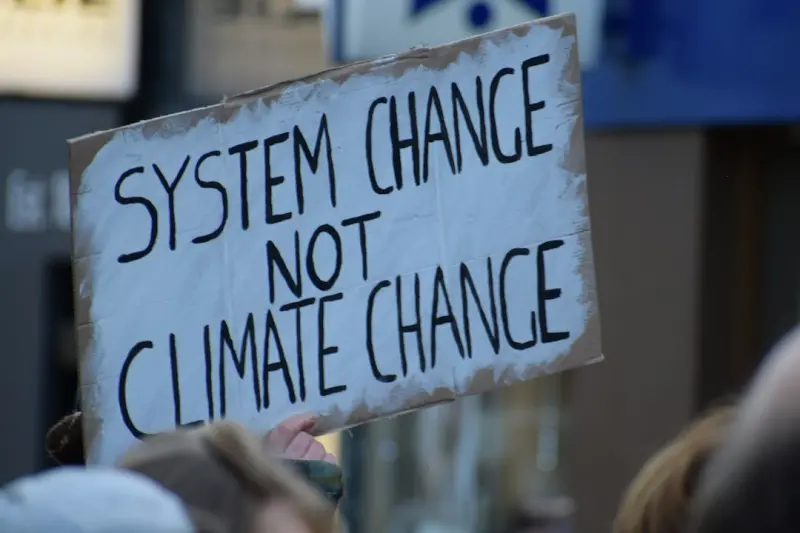
When I first stepped into a rooftop bar in downtown Vancouver and saw a bartender pouring a bright‑green elixir made from seaweed‑infused vodka, I thought I’d stumbled onto a gimmick. Six months later, that same “gimmick” has become a staple on menus across North America. The shift isn’t about novelty; it’s about necessity. Climate change is reshaping the agricultural landscape, and the beverage industry is scrambling to keep the glasses full without compromising flavor.
From Vineyard to Vending Machine: The Climate Crunch
For decades, winemakers, craft brewers, and coffee roasters have relied on a predictable climate calendar. Frost dates, rainfall patterns, and temperature swings were variables you could plan around. Today, those variables are volatile. A single late‑spring frost can wipe out a boutique winery’s entire vintage, while drought‑induced water restrictions force breweries to cut production.
The ripple effect hits consumers in two ways:
- Price spikes. Scarcity drives up costs for premium grapes, specialty hops, and high‑quality beans.
- Limited variety. As certain crops become less reliable, the diversity of flavors on the shelf shrinks.
Enter climate‑ready ingredients: crops bred or selected for resilience to heat, drought, and disease. They aren’t just a fallback—they’re becoming the new foundation for innovative beverages.
The Science Behind Climate‑Resilient Crops
Plant breeders are using a blend of traditional cross‑breeding and cutting‑edge gene editing to develop varieties that thrive under stress. Consider these breakthroughs:
- Drought‑tolerant barley. Developed in collaboration with universities in the Pacific Northwest, this barley maintains high malt quality even when grown with 30% less water.
- Heat‑hardy coffee varietals. New Arabica strains from Latin America can sustain flavor profiles at temperatures 5°C higher than traditional beans.
- Salt‑spray tolerant grapes. Coastal vineyards are experimenting with hybrid grapes that resist salinity, opening up new terroirs.
These advances are not just theoretical. Seasonal foraging meets fermentation highlighted how a small brewery in British Columbia swapped conventional hops for a locally sourced, salt‑tolerant variety, resulting in a crisp, briny IPA that sold out within weeks.
Re‑Imagining the Drink Menu: From Ingredient to Experience
When a bar decides to feature climate‑ready spirits, the entire narrative around the drink changes. Patrons aren’t just sipping a cocktail; they’re participating in a story of sustainability and adaptation. This is where storytelling meets science—a synergy we’ve seen in other sectors, like the way The Secret Sauce demonstrated how meals become viral experiences through narrative.
Here are three practical ways mixologists and beverage directors can weave climate‑ready ingredients into their menus:
- Highlight the origin. A label that reads “Made with drought‑smart barley from Idaho” sparks curiosity and educates the consumer.
- Experiment with new flavor pairings. Heat‑tolerant coffee beans often carry chocolatey undertones, perfect for espresso‑based cocktails.
- Offer a “climate story” card. Small cards on the bar top can explain how a particular ingredient survived a harsh season, turning a simple drink into a conversation starter.
Supply Chain Resilience: More Than Just a Buzzword
Beyond the glass, the supply chain for climate‑ready ingredients is becoming a competitive advantage. Companies that invest early in resilient sourcing can lock in lower costs and guarantee consistent product quality. This is especially crucial for subscription‑based beverage services that promise monthly deliveries of curated drinks. When a coffee subscription company promises “fresh, single‑origin beans each month,” the last thing they want is a sudden harvest failure that forces them to substitute lower‑quality beans.
Forward‑thinking brands are establishing long‑term contracts with growers of resilient crops, often providing financial support for research and development. The result is a mutually beneficial ecosystem: growers get stable demand, and brands get a reliable supply.
Packaging and Carbon Footprint: Closing the Loop
Climate‑ready beverages are only part of the sustainability equation. Packaging decisions amplify or mitigate the overall carbon footprint. Many brands are turning to lightweight glass, recyclable aluminum, or even biodegradable pouches. The key is to align packaging choices with the resilient nature of the product itself.
For instance, a carbon‑neutral brewery that uses drought‑tolerant barley might also adopt solar‑powered bottling lines and return‑able glass bottles, creating a closed‑loop system that showcases environmental stewardship from seed to shelf.
Consumer Demand: The Power of the Informed Palate
Surveys reveal that younger consumers—especially Millennials and Gen Z—are willing to pay a premium for products that demonstrate clear climate responsibility. However, this willingness translates into action only when the messaging is transparent and compelling.
Brands that simply slap a “sustainable” label on their bottles without substantive proof risk backlash. Authenticity shines when you can point to concrete data: water usage per kilogram of grain, carbon emissions saved through local sourcing, or a partnership with a research institute.
Case Study: The Rise of Seaweed‑Infused Spirits
Seaweed, a marine crop that thrives in saltwater and doesn’t compete for arable land, has become a favorite among forward‑thinking distillers. One boutique distillery in British Columbia began experimenting with kelp‑infused gin. The process involves soaking dried kelp in neutral spirit for several weeks, then redistilling to capture the umami notes.
The result is a gin with a subtle brine that pairs beautifully with citrus and herbal botanicals. The drink not only offers a unique flavor but also showcases a low‑impact ingredient that requires no freshwater irrigation. This innovation sparked a wave of similar experiments—vodka with nori, tequila with spirulina—each highlighting how marine agriculture can complement traditional land‑based crops.
Regulatory Landscape: Navigating New Standards
Governments are beginning to recognize the importance of climate‑resilient agriculture for food security. In some regions, incentives are being offered for growers who adopt drought‑tolerant varieties. Meanwhile, food safety authorities are updating regulations to accommodate novel ingredients like seaweed‑derived extracts.
Beverage companies must stay ahead of these regulatory shifts. Engaging early with local food safety agencies can smooth the path to market and avoid costly reformulations.
Future Outlook: What’s Next for Climate‑Ready Drinks?
Looking ahead, we can anticipate three major trends:
- Hybrid Crops. Expect a rise in cross‑bred fruit hybrids that combine the resilience of one variety with the flavor intensity of another.
- AI‑Driven Sourcing. Advanced analytics will match climate forecasts with supply chain planning, ensuring that the right crop lands in the right distillery at the right time.
- Community‑Driven Fermentation. Local cooperatives will experiment with resilient grains and fruits, creating region‑specific beverages that celebrate local ecosystems.
These trends reinforce a simple truth: the future of food & drink is no longer just about taste; it’s about adaptability.
Actionable Steps for Brands and Bar Professionals
If you’re a brand manager, beverage director, or bar owner looking to ride the climate‑ready wave, start with these three actions:
- Audit your ingredient portfolio. Identify which components are most vulnerable to climate variability and seek resilient alternatives.
- Partner with research institutions. Collaborative projects can give you early access to emerging crop varieties.
- Educate your staff and patrons. Training your team on the story behind each drink ensures consistent messaging, while visible storytelling cards on tables turn casual sip‑ers into brand ambassadors.
By integrating climate‑ready ingredients, thoughtful packaging, and transparent storytelling, the beverage industry can turn a looming challenge into a source of innovation and market differentiation.
As we raise our glasses to a future where drinks not only delight the palate but also protect the planet, remember that every sip is a vote for resilience. Cheers to a sustainable pour!

Related Posts

Zero‑Waste Kitchen Hacks That Are Changing How We Dine
Discover how fermentation, smart tech, and simple home hacks are turning kitchen scraps into culinar... Read More

Zero‑Waste Cocktails: Turning Bar Trash into Tasty Treasure
Zero‑waste cocktails turn everyday bar scraps into flavorful, sustainable drinks. Learn the philos... Read More
Fermentation Fever: How Homemade Kombucha and Craft Sodas Are Redefining the Drink Shelf
A deep dive into the rising popularity of fermented beverages, highlighting how home‑made kombucha... Read More
Top Posts

When Algorithms Meet the Kitchen: AI-Generated Recipes and the Future of Home Cooking
AI-driven recipe platforms blend data, flavor science, and personal preferences, offering hyper‑personalized meals, smarter shopping, and reduced waste—all ...Read More

The Dark Side of Rural Living: A Parental Warning
Rural living can be a peaceful and serene environment, but it also poses unique challenges and dangers. As a parent, it's essential to be aware of the potential...Read More

Casting Calm: Ontario Anglers Turn Fishing Into Mindful Therapy
Ontario anglers are redefining the pastime, using fishing as a mindful practice to boost mental health, adopt sustainable gear, and build supportive communities...Read More
Breaking Down Silos: The Revenue Operations Revolution for Modern B2B Companies
A deep dive into Revenue Operations reveals why traditional sales, marketing, and success silos cripple growth and how a unified RevOps framework can deliver pr...Read More
0 Comments
Post Comment
You will need to Login or Register to comment on this post!