
Rethinking Healthy Eating: The Power of Seasonal Foraging and Fermented Foods
When I first moved into a tiny downtown loft, I thought “healthy eating” meant buying the latest packaged super‑food powders and sprinkling them into my morning coffee. It was convenient, it looked impressive on Instagram, and it fit the busy‑professional narrative I was trying to cultivate. A few months later, after a bout of stubborn fatigue and a surprising visit from a friend who runs a local community garden, I realized I was missing a crucial piece of the puzzle: the natural rhythms of the seasons and the humble art of fermentation.
In this post, I’m pulling back the curtain on two practices that have quietly revolutionized my relationship with food—seasonal foraging and home fermentation. Both are low‑tech, high‑reward, and, most importantly, deeply rooted in the science of gut health, nutrient density, and sustainable living. If you’ve ever felt overwhelmed by the endless stream of “super‑food” trends, stick around. You’ll discover how to build a resilient, flavorful diet without relying on expensive, processed supplements.
The Seasonal Advantage: Why Timing Matters More Than You Think
Most of us shop for groceries year‑round, chasing the same kale, quinoa, and avocado regardless of the calendar. This habit makes sense for convenience, but it blinds us to the fact that plants undergo dramatic chemical changes as they grow, ripen, and prepare for winter. Those changes directly affect the levels of antioxidants, vitamins, and minerals they contain.
For example, wild nettles harvested in early spring are packed with iron, calcium, and vitamin C—far more than the same plant cultivated later in the season. Similarly, blackberries reach peak anthocyanin content just before the first frost, offering a potent anti‑inflammatory boost that you won’t get from supermarket berries harvested weeks earlier.
By aligning our meals with these natural cycles, we can:
- Maximize nutrient intake – Fresh, in‑season produce contains higher concentrations of phytonutrients.
- Reduce food waste – Buying what’s abundant locally means less reliance on imported, out‑of‑season items that travel long distances.
- Support local ecosystems – Seasonal foraging encourages stewardship of local habitats and biodiversity.
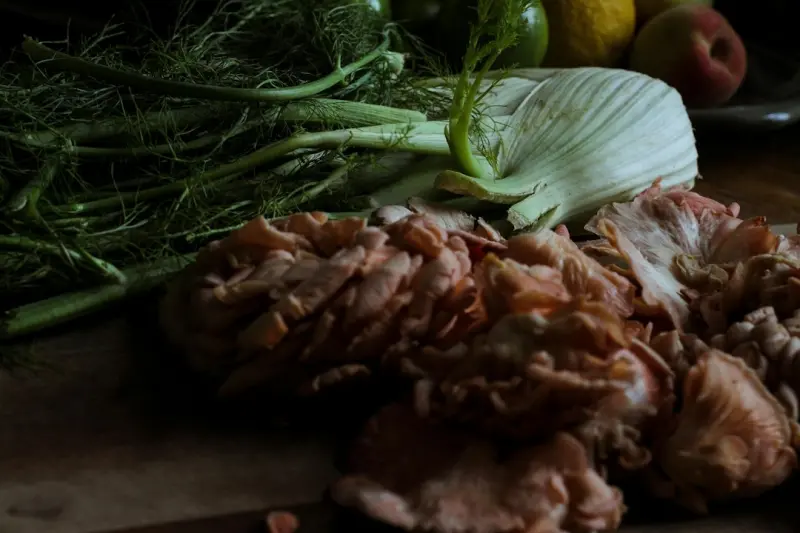
One weekend, I ventured to a nearby riverbank with a local forager and collected dandelion greens, wild garlic, and fiddleheads. After a quick blanch and a drizzle of cold‑pressed olive oil, the salad was not only delicious but also a vivid reminder that nature’s pantry is far richer than the grocery aisle.
Fermentation: The Ancient Science Your Modern Body Craves
If you’ve ever enjoyed a tangy kimchi, a fizzy kombucha, or a slice of sourdough, you’ve already tasted the benefits of fermentation. This process—where beneficial bacteria and yeasts break down sugars and create lactic acid, alcohol, or carbon dioxide—not only preserves food but also transforms its nutritional profile.
Here’s why fermented foods deserve a permanent spot on your plate:
- Probiotic boost – Live cultures enhance the diversity of your gut microbiome, which is linked to improved digestion, immunity, and even mood regulation.
- Increased bioavailability – Fermentation can unlock minerals like iron and zinc, making them easier for your body to absorb.
- Reduced anti‑nutrients – Compounds such as phytic acid, found in many grains and legumes, are broken down, lessening their impact on nutrient absorption.
Starting a fermentation routine at home is simpler than you might think. A few jars, some sea salt, and patience are all you need. My go‑to starter is a basic lacto‑fermented carrot‑ginger slaw that I keep in the fridge for up to two weeks. It adds a zing to salads, sandwiches, and even sautéed greens.
Bridging the Two Worlds: A Seasonal Fermentation Calendar
Imagine combining the timing of seasonal foraging with the transformative power of fermentation. This synergy creates a dynamic, ever‑changing menu that keeps your palate excited and your body nourished.
Here’s a simple calendar to get you started (feel free to adapt based on your local climate):
- Spring – Forage for ramps, wild sorrel, and early greens. Ferment them into quick pickles or a light sauerkraut to accompany grilled fish.
- Summer – Harvest tomatoes, cucumbers, and basil. Turn them into fermented hot sauces or probiotic-rich gazpacho.
- Autumn – Collect mushrooms, chestnuts, and kale. Create a robust miso‑style paste or a fermented root vegetable medley.
- Winter – Store hardy greens like collards and turnips. Use them in long‑fermented kimchi that matures beautifully in cooler temperatures.
Each cycle not only offers fresh flavors but also aligns with the gut’s natural need for variety. Research shows that a diverse microbiome thrives on a varied diet, and seasonal fermentation provides exactly that.
Practical Tips for the Busy Professional
Now, you might be thinking, “This sounds wonderful, but I barely have time to answer emails, let alone forage and ferment.” The good news is that both practices can be scaled to fit a hectic schedule.
- Batch‑size it – When you’re out at a farmers’ market or a foraging walk, fill a reusable tote with a generous amount of produce. Allocate a weekend to prep and ferment in bulk. A single batch of sauerkraut can last for weeks.
- Use simple equipment – A quart‑size Mason jar, some non‑iodized salt, and a clean cloth are enough. No fancy fermenting crocks required.
- Integrate with meal prep – While you’re chopping vegetables for the week, set aside a portion for fermentation. The same cutting board can serve both purposes.
- Leverage technology wisely – While the core of fermentation is low‑tech, a quick reminder app can help you track fermentation times, especially for more delicate batches.
In fact, I recently read an insightful piece on how technology is reshaping our culinary experiences. The article highlighted smart temperature‑controlled containers that keep fermentations at optimal conditions. While I’m still a fan of the classic “just trust the process” approach, it’s encouraging to see tools that can make the hobby more reliable for newcomers.
Why This Matters for Workplace Wellness
Many organizations are now investing in employee well‑being programs that go beyond gym memberships. A thriving gut is a cornerstone of mental clarity, energy levels, and immune function—key ingredients for sustained productivity.
When I shared my foraging‑and‑fermentation routine with my team, the response was surprisingly enthusiastic. We started a “Fermented Friday” tradition, where each member brings a homemade probiotic snack to share. The simple act of exchanging recipes sparked conversations about stress management, sleep hygiene, and even the importance of taking short walks to explore local green spaces.
This aligns with findings from a recent article on the business impact of employee well‑being. While the piece focused on broader wellness initiatives, it underscored that small, culturally embedded habits—like shared meals—can yield outsized returns in morale and retention.
Getting Started: Your First Forage‑Ferment Project
Ready to dive in? Here’s a starter recipe that marries seasonal foraging with fermentation, perfect for beginners.
- Gather wild greens – In early spring, look for tender dandelion leaves or young chickweed in a nearby park (ensure it’s safe and not treated with chemicals).
- Clean and prep – Rinse the greens thoroughly, pat dry, and chop coarsely.
- Salt it – Toss the greens with 2 % sea salt by weight (e.g., 20 g salt for 1 kg of greens). Massage until they start to release liquid.
- Pack the jar – Transfer the salted greens into a clean Mason jar, pressing down firmly so the brine covers the leaves. Use a fermentation weight or a small, clean stone to keep everything submerged.
- Seal and wait – Close the jar with a lid (or a fermentation airlock if you have one) and store it at room temperature (65‑70°F) for 3‑5 days. Taste daily; when the tang you prefer appears, move the jar to the fridge.
- Enjoy – Add a spoonful to a salad, sandwich, or a warm bowl of quinoa for a probiotic boost.
Within a week, you’ll notice a subtle sourness and a pleasant crunch. The experience is both culinary and meditative—a reminder that nourishment is as much about the process as the final bite.
Conclusion: A Sustainable Path to Vibrant Health
Healthy eating doesn’t have to be a relentless chase for the latest branded supplement. By turning our attention to the rhythms of nature—through seasonal foraging and the time‑tested craft of fermentation—we unlock a world of flavor, nutrition, and community connection.
Whether you’re a seasoned chef, a corporate leader looking to boost team health, or simply someone who wants to feel more energized after lunch, incorporating these practices can transform your diet from “just okay” to truly thriving. So next time you hear the rustle of leaves on a spring morning, consider that it might just be the sound of your next great meal waiting to be discovered.

Related Posts
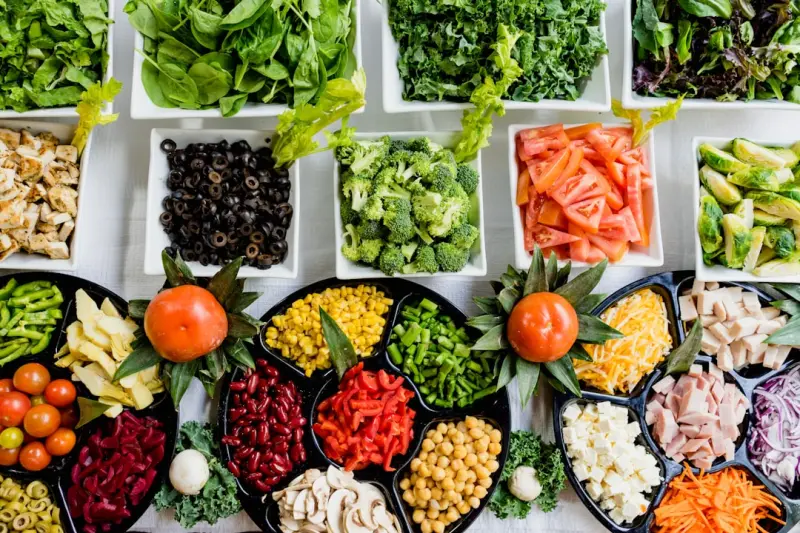
Seasonal Superfoods: Tuning Your Diet to Nature’s Clock
Learn why syncing your meals with seasonal superfoods can transform your vitality, support gut healt... Read More
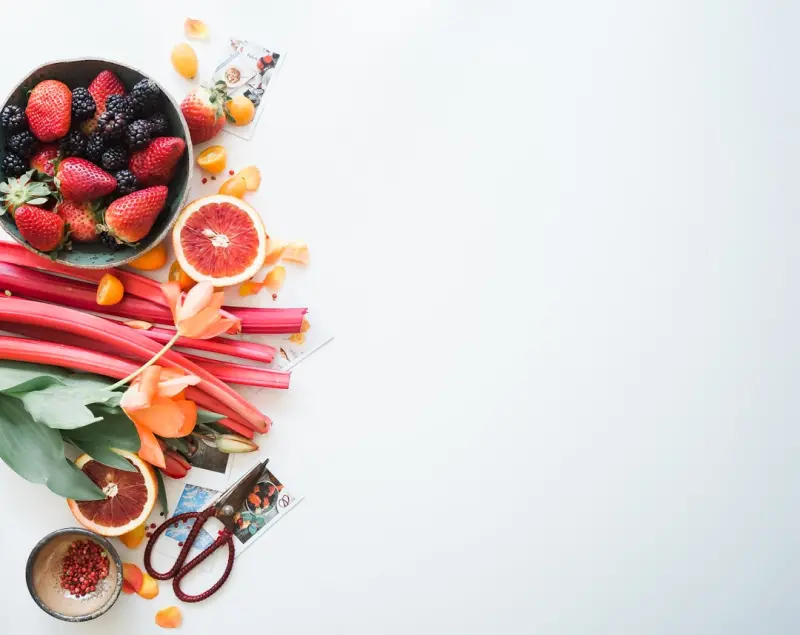
Unlocking Food Synergy: How Smart Ingredient Pairings Supercharge Your Health
Explore how strategic food pairings enhance nutrient absorption, improve immunity, and boost energy.... Read More
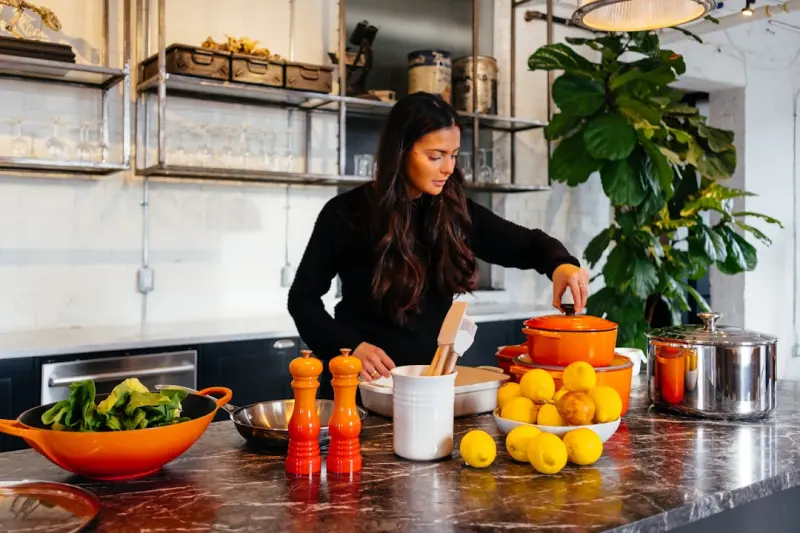
Rewilding Your Kitchen: The Unexpected Health Boost of Edible Flowers
A vibrant guide to incorporating edible flowers into everyday meals, exploring their nutrient power,... Read More
Top Posts
Exploring the Hidden Gems of Rural America: A Journey Through Uncharted Getaways
Rural America offers a unique travel experience, with its vast landscapes, quaint charm, and authentic American spirit. Discover the hidden gems and uncharted g...Read More

Reimagining Prom and Graduation: Sustainable Style, Tech‑Savvy Planning, and Inclusive Celebration
A fresh take on prom and graduation blends sustainable fashion, inclusive event design, tech‑enhanced planning, and mental‑health support to create unforget...Read More

Negotiation Bots: AI’s Quiet Revolution in B2B Deal‑Making
AI negotiation bots are reshaping B2B contract negotiations by cutting cycle times, boosting margins, and minimizing bias. This article dives into technology, u...Read More
Turning Tariff Volatility into a Growth Engine
This post reveals a proactive framework for SaaS leaders to transform tariff volatility into a competitive edge, using dynamic regional pricing, cross‑border ...Read More
0 Comments
Post Comment
You will need to Login or Register to comment on this post!