
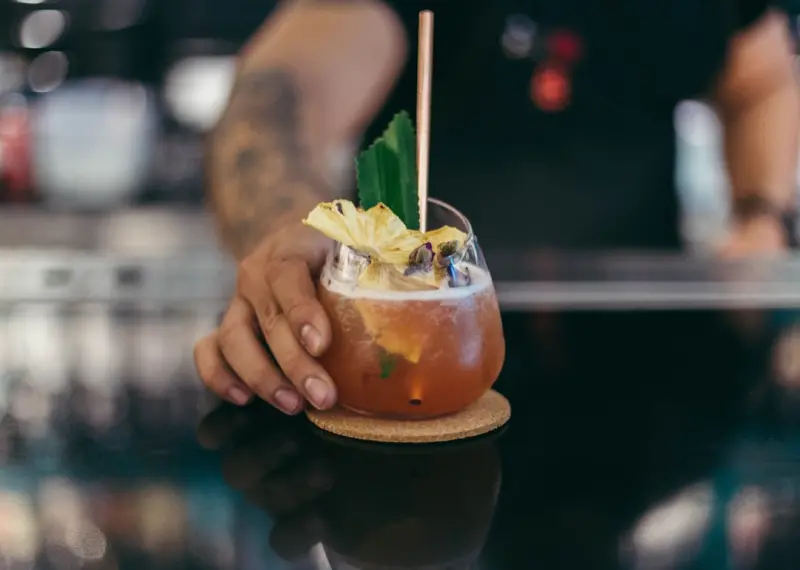
Sip Sustainably: The Zero‑Waste Cocktail Movement That's Shaking Up Bars
There’s a quiet buzz humming through the cocktail scene, and it’s not coming from the shaker. It’s the sound of glass clinking against recycled copper straws, the faint rustle of compostable garnish trays, and the low‑key hum of a bar owner proudly proclaiming, “Nothing goes to landfill tonight.” As someone who has spent a decade hopping from rooftop speakeasies to neighborhood taprooms, I’ve witnessed trends rise and fall like foam on a well‑poured stout. The latest wave, however, feels different: it’s a full‑blown cultural shift toward zero‑waste mixology, and it’s turning the very act of sipping into an act of stewardship.
Why Zero‑Waste is More Than a Buzzword
At its core, zero‑waste cocktail crafting is about rethinking every ingredient, every tool, and every by‑product. It’s not just swapping a plastic straw for a metal one; it’s redesigning the entire workflow so that the only thing left on the bar is a lingering sense of satisfaction. Imagine a world where the citrus peel you zest for aroma becomes a fragrant garnish for a dessert, or where spent coffee grounds find a second life as a rub for a smoky Old Fashioned. The philosophy is simple: if something can be repurposed, it should be.
What makes this movement truly compelling is its scalability. From high‑end hotels boasting farm‑to‑glass programs to tiny pop‑up bars operating out of reclaimed shipping containers, the zero‑waste ethos adapts to any environment. It invites creativity, demands ingenuity, and—most importantly—resonates with a generation that watches its carbon footprint as closely as its Instagram feed.
From Ingredient Sourcing to After‑Service: Mapping the Zero‑Waste Journey
To understand how zero‑waste cocktails come to life, let’s walk through the process step by step.
- Ingredient Selection. The journey begins at the sourcing stage. Bars are partnering directly with local farms and urban growers to obtain imperfect produce that would otherwise be discarded. Think misshapen lemons, overripe berries, or the tops of kale that never make the grocery shelf. These “ugly” ingredients are culinary gold when you know how to spotlight their unique flavors.
- Pre‑Prep Planning. Smart inventory management is key. By predicting demand with precision, bars reduce over‑ordering and minimize spoilage. Some establishments are even using simple spreadsheet tools to track the lifespan of each batch, ensuring nothing goes bad before it finds a glass.
- Creative Utilization. Every scrap is assigned a purpose. Citrus zest becomes an aromatic garnish or a component of a house‑made bitters. Herb stems are simmered into syrups, while fruit skins are candied for a sweet finish. Even the water used to rinse glassware is captured and repurposed for cleaning produce.
- Packaging & Service. Compostable or reusable straws, biodegradable napkins, and refillable glassware reduce single‑use waste dramatically. Some bars ask patrons to bring their own reusable cups for certain drinks, turning the consumer into an active participant in the sustainability loop.
- Post‑Service Recovery. The story doesn’t end when the last sip is taken. Leftover garnishes and spent ingredients are collected in designated bins. They are then sent to local compost facilities, turned into animal feed, or upcycled into new menu items. The waste stream becomes a nutrient stream, feeding back into the ecosystem.
Case Study: The “Green Bar” That Turned Its Trash into Treasure
Take the example of tiny plant power at a downtown bar that installed a vertical micro‑garden behind the bar. The crew harvests microgreens daily, using them as fresh garnish and for making herb‑infused syrups. The leftover stems are composted on‑site, and the nutrient‑rich compost feeds the very plants that grace the cocktails. It’s a closed‑loop system that not only reduces waste but also creates a unique flavor profile that patrons can’t find anywhere else.
The bar’s signature “Garden Whisper” cocktail showcases this loop perfectly. It starts with a base of cold‑pressed cucumber juice, infused with rosemary micro‑sprouts, and finished with a foam made from the water used to rinse the cucumber skins. The garnish? A sprig of micro‑green that was harvested just minutes before service. The entire drink is a narrative of sustainability, from seed to sip.
Flavor Innovation: When Constraints Spark Creativity
One of the most exciting side effects of the zero‑waste mindset is the explosion of new flavors. When you’re forced to work with what’s on hand, you discover unexpected pairings that challenge traditional cocktail conventions. For instance, using beetroot pulp—leftover from a beet juice bar—to create an earthy, ruby‑red vermouth can add depth to a classic Manhattan, while a splash of the same pulp‑infused vermouth can brighten a summer spritz.
Another trend is “upcycled bitters,” where bars take the skins of overripe fruit, combine them with spices, and let the mixture steep for weeks. The result is a complex bitter that carries notes of caramelized orange, smoky clove, and a hint of bitterness that balances sweet liqueurs perfectly. These bitters are often bottled and sold in the bar’s retail section, turning waste into an additional revenue stream.
Technology Meets Sustainability (Without the AI Overload)
While the blog’s recent posts have explored AI and data‑driven kitchen concepts, the zero‑waste cocktail movement offers a more tactile, hands‑on approach to technology. Simple tools like QR‑coded menus that display the sustainability story of each drink, or Bluetooth‑enabled scales that track ingredient usage in real time, empower staff to make data‑informed decisions without drowning in complex analytics.
For example, a bar might install a smart scale beneath the prep station that alerts the bartender when a batch of citrus peels is nearing its “use‑by” date, prompting a quick pivot to a new garnish idea. These low‑tech, high‑impact solutions keep the focus on the craft while subtly integrating efficiency.
Community Engagement: Turning Patrons into Advocates
Zero‑waste cocktails aren’t just a menu item; they’re a conversation starter. Many bars host “Sustainability Sips” nights where patrons learn how to repurpose cocktail waste at home. Workshops cover topics like turning spent coffee grounds into a spicy rub, or making homemade citrus bitters from leftover zest.
This educational angle builds loyalty. Guests leave not only with a memorable drink but also with a new skill they can apply in their own kitchens. In turn, they become ambassadors for the bar’s ethos, sharing their experiences on social media and encouraging friends to try the sustainable route.
Challenges and How to Overcome Them
Implementing a zero‑waste program isn’t without hurdles. Here are common obstacles and practical solutions:
- Supply Inconsistency. Seasonal produce can be unpredictable. Solution: Establish relationships with multiple local growers and maintain a “flex menu” that rotates based on what’s available.
- Staff Training. Bar staff may be accustomed to standard recipes. Solution: Conduct hands‑on training sessions that emphasize the story behind each ingredient and the importance of waste reduction.
- Cost Perception. Some fear that sustainable sourcing is pricier. Solution: Highlight the long‑term savings from reduced waste disposal fees and the potential revenue from upcycled products like bitters.
- Customer Perception. Guests might view “imperfect” ingredients as lower quality. Solution: Use transparent storytelling—display a chalkboard that explains the journey of each garnish, turning perceived flaws into points of pride.
Looking Ahead: The Future of Zero‑Waste Mixology
The momentum behind zero‑waste cocktails is only accelerating. As more consumers demand transparency and sustainability, bars that pioneer these practices will set the industry standard. Expect to see innovations such as:
- Zero‑Waste Cocktail Kits. Retail packs that include reusable glassware, biodegradable garnish containers, and recipe cards that teach home mixologists how to repurpose leftovers.
- Collaborations with Food Waste Apps. Partnerships that allow bars to donate surplus ingredients to local shelters or food banks directly through app integrations.
- Carbon‑Neutral Certifications. Industry bodies developing certifications specifically for beverage establishments that meet stringent waste reduction criteria.
In the end, the zero‑waste cocktail movement isn’t just about saving the planet—it’s about enriching the palate, fostering community, and redefining what it means to be a modern bartender. The next time you raise a glass, ask yourself: what story does this drink tell? If it’s a story of waste turned into wonder, you’ve just tasted the future.

Related Posts
Sip Sustainably: The Emerging Wave of Climate-Ready Beverages
The beverage industry faces climate challenges, prompting a shift toward climate‑ready ingredients... Read More
The Ghost Kitchen Revolution: How Invisible Restaurants Are Redefining Dining
Ghost kitchens are the invisible arteries of today’s food ecosystem, offering chefs rapid iteratio... Read More
Zero‑Waste Pop‑Up Kitchens: How Urban Chefs Are Redefining the Plate
A deep dive into the rising trend of zero‑waste pop‑up kitchens, showcasing how chefs transform ... Read More
Top Posts

Why Subscription Fatigue Is Killing Growth and How to Fix It
Subscription fatigue is eroding SaaS revenue as buyers drown in contracts. This article outlines a value‑first approach—modular pricing, outcome‑based con...Read More

Reimagining Canadian Healthcare: From Fragmented Paths to Integrated Care
A fresh look at Canada’s health system, highlighting telehealth, community pharmacies, Indigenous sovereignty, and nutrition integration to build a more conne...Read More

When the Bus Becomes a Cruise: Redefining Open‑Road Adventures
Explore the rise of bus‑cruise hybrids, where comfort, culture, and eco‑friendly travel combine to turn the journey itself into a memorable destination....Read More

Ontario’s Hidden Fishing Gems: A Local’s Guide to Reel Success
Explore Ontario’s hidden fishing gems with insider tips on gear, techniques, and sustainable practices, all from a passionate local’s viewpoint....Read More
0 Comments
Post Comment
You will need to Login or Register to comment on this post!