

Why Your Next Sip Might Need a Soundtrack
When I first walked into a downtown speakeasy that doubled as a vinyl lounge, the clink of ice wasn’t the only thing that caught my attention. A low‑key jazz riff floated over the bar, syncing perfectly with the bartender’s flambéed orange peel. In that moment I realized: we’re entering an era where audio is as essential to flavor as salt. This isn’t about background noise; it’s about a deliberate, curated soundscape that amplifies taste, mood, and memory.
The Science Behind Sonic Flavor
Neuroscientists have long known that our senses are deeply intertwined. The orbitofrontal cortex, a brain region responsible for decision‑making and pleasure, lights up when we taste something sweet, but it also responds to auditory cues. A study from the University of Oxford found that participants who listened to crisp, high‑frequency sounds (think a glass shattering) reported a sweeter perception of the same dessert compared to those who listened to low‑frequency hums.
What does this mean for the food & drink industry? Simple: sound can be engineered to boost perceived flavor intensity. A brewery can pair a hoppy IPA with a bright, metallic soundtrack to accentuate its bitterness, while a chocolate bar paired with mellow cello tones might feel richer and smoother.
From Pop‑Up Cafés to Global Chains: Real‑World Applications
Brands are already experimenting. A Japanese tea house in Kyoto introduced a “rainforest whisper” playlist that mimics the gentle patter of rain on bamboo. Customers reported a heightened sense of freshness in the tea’s vegetal notes. Meanwhile, a New York coffee roaster launched a limited‑edition espresso served alongside a curated “urban grind” soundscape—industrial beats that echo the city’s hustle, making the brew feel more robust.
These examples illustrate a broader trend: audio‑first branding. Companies are no longer content with just a visual logo; they’re crafting auditory identities that travel with the product from the storefront to the consumer’s earbuds.
Designing the Perfect Soundtrack for Your Menu
Creating a sonic companion isn’t a matter of throwing on a popular playlist. It requires thoughtful alignment between the dish’s texture, temperature, and cultural story.
- Texture Matching: Crunchy foods pair well with crisp, staccato sounds—think snapping twigs or a snare drum. Creamy dishes benefit from smooth, legato tones like a soft piano.
- Temperature Tuning: Cold beverages resonate with high‑pitch, airy sounds (wind chimes, distant bells), while hot soups feel cozier with low‑frequency drones (deep synth pads, distant thunder).
- Cultural Context: A Mexican taco bar might weave in subtle mariachi guitar riffs, whereas a Scandinavian smørrebrød station could employ minimalist ambient tones reminiscent of fjord winds.
When done right, the soundscape becomes an invisible garnish, enhancing the overall experience without overwhelming the palate.
Technology Meets Taste: The Role of AI and Smart Speakers
Artificial intelligence is already curating playlists for retail stores, but the next frontier is real‑time flavor adaptation. Imagine a smart speaker that detects the coffee you’re brewing (via IoT integration) and instantly streams a bespoke acoustic blend designed to highlight the bean’s acidity.
Some forward‑thinking cafés are piloting “voice‑responsive menus.” A patron says, “I want something bright and citrusy,” and the system not only suggests a cocktail but also plays a bright, citrus‑inspired melody that primes the palate for the chosen drink. This intersection of voice tech and flavor echoes the insights from quiet disruptor of search—the same subtle power that reshapes how businesses connect with customers now infiltrates the sensory realm of food.
Community Spaces: Sound as a Shared Ingredient
Beyond upscale bars, community kitchens and tool libraries are embracing sound to democratize culinary joy. A neighborhood kitchen might host a “Sound & Soup” night where locals bring favorite playlists to pair with homemade broth. The collective auditory backdrop creates a sense of belonging, turning a simple meal into a communal ritual.
Such events also highlight the power of personalized moments. Each participant’s music choice becomes a personal flavor enhancer, making the dining experience uniquely theirs while still part of a larger tapestry.
Measuring the Impact: Metrics That Matter
For brands worried about ROI, several quantifiable indicators can demonstrate the value of sound‑driven menus:
- dwell time: Patrons linger longer when the auditory environment aligns with their taste expectations.
- repeat purchase rate: A memorable sonic pairing can turn a one‑off visit into a habit.
- social sentiment: Guests frequently share “the music was perfect for my latte” in reviews and on social media, providing organic promotion.
- sensory rating scores: Conducting post‑meal surveys that ask guests to rate flavor intensity can reveal measurable lifts when soundtracks are applied.
Practical Steps for Restaurateurs and Brands
Ready to let sound season your offerings? Here’s a starter checklist:
- Audit your current ambiance: Record the existing background noise and evaluate how it aligns with your menu.
- Define flavor‑sound pairings: Use the texture‑temperature‑culture matrix above to draft initial pairings.
- Curate or commission music: Work with local musicians or royalty‑free libraries to create bespoke tracks.
- Integrate tech: Deploy smart speakers or a simple Bluetooth system linked to your POS for easy playlist changes.
- Gather feedback: Use tablets or QR‑linked surveys to capture guest impressions on both taste and audio.
- Iterate: Refine pairings based on data, and don’t be afraid to experiment with seasonal sound updates.
Looking Ahead: The Future Sound of Food
As immersive technologies like AR and VR become mainstream, the line between virtual and physical dining will blur. Imagine a VR brunch where you “hear” the crackle of a campfire while sipping a virtual mimosa, and the brain registers the aroma and taste as if you were truly outdoors. Even without full immersion, the humble speaker has proven it can transform ordinary meals into multisensory celebrations.
In the coming years, we’ll likely see “audio branding” sections in brand guidelines, much like color palettes and typography. The sound of a brand will become a critical touchpoint, influencing everything from the first sip of a cold brew to the final bite of a caramel‑drizzled cheesecake.
So the next time you raise a glass, take a moment to listen. The right note could be the secret ingredient you never knew you were missing.

Related Posts

When Menus Whisper: Crafting Stories Behind Every Bite
A deep dive into how narrative-driven menus turn ordinary meals into immersive experiences, boosting... Read More

Fermenting the Future: How Homegrown Probiotics Are Changing Our Kitchens
From kombucha to kimchi, home fermentation is reshaping kitchens with probiotic health benefits, zer... Read More
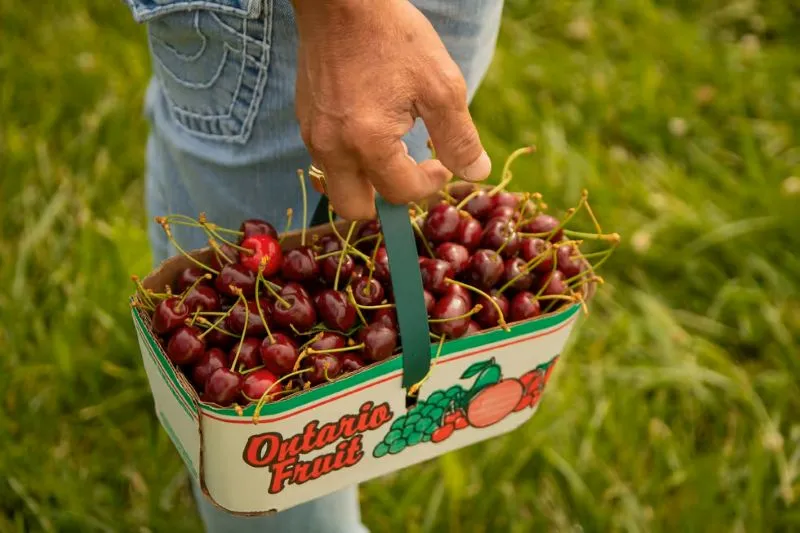
Ontario's Cherry-Picking Extravaganza: More Than Just a Pitter-Patter of Little Feet
Did you know that Canada, specifically our beloved Ontario, plays host to a quartet of native cherry... Read More
Top Posts

Sip, Savor, Sustain: The New Wave of Zero‑Waste Cocktail Culture
A deep dive into the emerging zero‑waste cocktail movement, highlighting foraged botanicals, microgreen garnishes, subscription spice boxes, and how remote te...Read More

Parental Warning: The Silent Threat of Algorithmic Playlists in Kids’ Screens
A deep dive into how algorithmic playlists, zero‑party data, and AI health dashboards influence kids’ screens, offering practical steps for parents to regai...Read More

Parental Warning: Navigating SaaS, Data Privacy, and Kids in the Digital Age
A deep dive into the hidden data pipelines of kids’ apps, why parental warnings matter more than ever, and actionable tips for safeguarding children’s digit...Read More

The Evolution of Canadian Cuisine: A Reflection on My Restaurant Experiences
Canadian cuisine is evolving rapidly, driven by changing consumer preferences, technological advancements, and shifting cultural values. Learn more about the tr...Read More
0 Comments
Post Comment
You will need to Login or Register to comment on this post!