

The Evolution of Canadian Cuisine: A Reflection on My Restaurant Experiences
As a food enthusiast and restaurant-goer, I've had the pleasure of exploring the diverse culinary landscape of Canada. From coast to coast, our country offers a rich tapestry of flavors, influenced by its indigenous roots, European settlers, and modern-day immigrants. In this article, I'll share my thoughts on the evolution of Canadian cuisine, highlighting the trends, challenges, and opportunities that shape our food scene.
Canadian cuisine is often characterized by its emphasis on local ingredients, seasonal produce, and traditional cooking methods. However, with the rise of globalization and social media, our culinary landscape is undergoing a significant transformation. Restaurants are now expected to offer not only delicious food but also an immersive dining experience, with a focus on sustainability, community engagement, and cultural relevance.
One of the most significant trends in Canadian cuisine is the growing interest in sustainable food systems. Consumers are becoming increasingly aware of the environmental and social impact of their food choices, driving demand for locally sourced, organic, and plant-based options. This shift is reflected in the growing number of restaurants that prioritize farm-to-table cuisine, reducing their carbon footprint and supporting local farmers.
Canadian farmers face significant challenges, from climate change to economic pressures, which can affect the quality and availability of local produce. As consumers, we must recognize the importance of supporting our agricultural community and promoting sustainable food systems.
Another trend shaping Canadian cuisine is the increasing diversity of our population. As our country becomes more multicultural, our food scene is reflecting this diversity, with a growing number of restaurants offering international cuisine. From Korean BBQ to Indian curries, our culinary landscape is becoming increasingly global, offering a wide range of flavors and experiences for diners to enjoy.
However, this diversity also presents challenges, particularly for small, independent restaurants. With the rise of food delivery apps and social media, restaurants must now compete in a crowded market, where online presence and reviews can make or break a business. As a result, many restaurants are turning to innovative marketing strategies, such as influencer partnerships and experiential events, to stay ahead of the curve.
In my opinion, one of the most exciting developments in Canadian cuisine is the rediscovery of traditional cooking methods. With the resurgence of interest in indigenous cuisine, we're seeing a renewed focus on traditional cooking techniques, such as smoking, curing, and fermenting. This trend is not only delicious but also helps to preserve our cultural heritage and promote cross-cultural understanding.
As I've explored in my previous articles, Canadian cuisine is evolving rapidly, driven by changing consumer preferences, technological advancements, and shifting cultural values. As a food enthusiast, I'm excited to see where this journey takes us, and how our culinary landscape will continue to shape our national identity.
The Future of Canadian Cuisine
So, what does the future hold for Canadian cuisine? In my opinion, we're likely to see even more emphasis on sustainability, community engagement, and cultural relevance. Restaurants will need to adapt to changing consumer preferences, incorporating more plant-based options, reducing food waste, and promoting environmentally friendly practices.
One thing is certain: Canadian cuisine will continue to evolve, reflecting our country's diverse cultural heritage and its commitment to innovation and excellence. Whether you're a foodie, a restaurateur, or simply a lover of good food, there's never been a more exciting time to be part of Canada's culinary scene.
A Call to Action
As we look to the future of Canadian cuisine, I encourage readers to join the conversation. What do you think are the most pressing challenges facing our food scene? How can we promote sustainability, community engagement, and cultural relevance in our restaurants and food systems?
As I've discussed in my previous articles, mental health is an important issue in the food industry, particularly for restaurant owners and staff. By prioritizing mental health support and promoting a positive work culture, we can build a more resilient and sustainable food scene.
In conclusion, the evolution of Canadian cuisine is a complex and multifaceted issue, driven by changing consumer preferences, technological advancements, and shifting cultural values. As a food enthusiast, I'm excited to see where this journey takes us, and how our culinary landscape will continue to shape our national identity.
Some key takeaways from this article include:
- Canadian cuisine is evolving rapidly, driven by changing consumer preferences and shifting cultural values.
- Sustainability, community engagement, and cultural relevance are key trends shaping our food scene.
- Restaurants must adapt to changing consumer preferences, incorporating more plant-based options and reducing food waste.
By understanding these trends and challenges, we can build a more sustainable, equitable, and delicious food scene that reflects the diversity and creativity of our country.

Related Posts

Ghost Kitchens and the Data‑Driven Future of Dining
Ghost kitchens are revolutionizing dining by combining low overhead with data‑driven insights, ena... Read More

Dining in 2024: Shawn DesRochers’s Inside Look at the Hottest Restaurant Waves
Shawn DesRochers reveals how technology, community focus, and sustainability are redefining restaura... Read More

From Plate to Platform: How Restaurants Are Redefining Community in the Digital Age
Restaurants are evolving from mere dining spots into community hubs, leveraging subscription models,... Read More
Top Posts
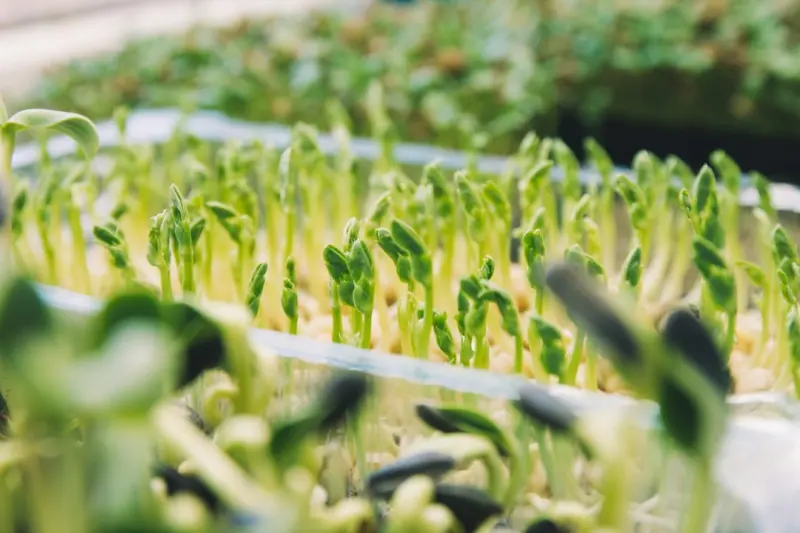
Harvesting Health: How Home-Grown Microgreens Supercharge Your Diet
Microgreens deliver concentrated nutrition in a tiny space, making them perfect for busy lifestyles. Learn how to grow, harvest, and incorporate these powerhous...Read More

Hyper‑Local Sourcing: Transforming the Restaurant Experience from Farm to Fork
Hyper‑local sourcing connects restaurants directly with nearby farms, delivering fresher flavors, lower carbon footprints, and stronger community bonds while ...Read More

Beyond Borders: How Digital Nomad Visas Are Redefining Global Work‑Play Balance
Digital nomad visas are transforming travel by allowing remote workers to live and contribute to host communities for extended periods, creating mutual economic...Read More

Reeling in Responsibility: Sustainable Angling Adventures Across Ontario
A fresh look at Ontario fishing that blends sustainable practices, modern tech, and community action, guiding anglers to protect the province’s lakes and rive...Read More
0 Comments
Post Comment
You will need to Login or Register to comment on this post!