

When I first heard the words “tariff shock” whispered across the conference room, I felt the same mix of dread and excitement that I get every time a new regulation lands on my desk. Not because I love the paperwork—far from it—but because each surprise is a reminder that the world of SaaS is as much about geopolitics as it is about code. In this post, I’m pulling back the curtain on how I turned that dread into a systematic, data‑driven habit that keeps my pricing models nimble, my cash flow healthy, and my team sleeping a little better at night.
Why Tariff Volatility Demands a New Playbook
Most SaaS leaders treat tariffs as a downstream cost of doing business: a line item you absorb or pass on to customers. That mindset works when tariffs are predictable, but the modern trade environment is anything but static. Between sudden policy shifts, retaliatory duties, and regional supply‑chain re‑routing, the “tariff cost” can swing from zero to a double‑digit percentage of your total expenses in a matter of weeks.
When those swings happen, the impact ripples through three core pillars of a SaaS business:
- Margin erosion—especially for products that rely on imported hardware, data‑center equipment, or third‑party services sourced abroad.
- Pricing elasticity—customers may balk at price hikes that feel arbitrary, leading to churn or stalled renewal negotiations.
- Strategic planning—budget forecasts become unreliable, making it harder to justify headcount or R&D investments.
To stay ahead, you need more than a reactive “we’ll figure it out later” mindset. You need a proactive playbook that treats tariff risk as a predictable variable—one you can model, monitor, and mitigate before it shows up on the balance sheet.
The Data‑Driven Forecasting Toolkit
My first step was to stop treating tariffs as a black‑box mystery and start feeding them into the same analytics pipeline that powers our churn predictions and CAC calculations. Here’s the toolkit that turned a vague fear into a concrete, actionable signal:
- Open‑source trade data feeds—Platforms like UN Comtrade or national customs APIs provide near‑real‑time updates on duty rates for specific HS codes. Hook these feeds into your data warehouse with a simple ETL job.
- Machine‑learning trend models—Even a modest ARIMA model can surface seasonal patterns (e.g., higher duties on electronics during holiday inventory builds). For larger firms, gradient‑boosted trees can incorporate macro variables like GDP growth, political risk scores, and commodity price indices.
- Scenario simulation—Build “what‑if” dashboards that let you toggle potential tariff hikes (5 %, 10 %, 20 %) against your product cost structure. This visual tool becomes a shared language between finance, product, and sales.
- Alert engine—Set thresholds that trigger Slack or Teams notifications when forecasted tariff impact exceeds a pre‑defined margin cushion. The goal is to give the team a heads‑up, not to panic.
When I first rolled this out, the biggest surprise wasn’t the data itself—it was how quickly the forecasts surfaced cross‑functional insights. Our product managers discovered that a new feature requiring a specific chip was suddenly exposed to a 12 % duty increase. Sales realized they could pre‑emptively negotiate multi‑year contracts that locked in pricing before the duty took effect. Finance finally had a defensible line item to explain to the CFO.
Embedding Flexibility Into Your Pricing Engine
Data without action is just noise. The next layer is to weave that tariff intelligence directly into the pricing engine that serves your customers. Below are three strategies that have worked for me:
- Tiered “Tariff‑Shield” Plans—Create optional add‑ons that cover tariff fluctuations for a fixed monthly fee. This gives price‑sensitive customers a predictable cost while generating a new revenue stream.
- Dynamic Cost‑Plus Pricing—Instead of a static subscription price, calculate the base price plus a variable “tariff factor” that updates quarterly based on the latest forecasts. Communicate this clearly on invoices: “Base subscription $X + Tariff Adjustment $Y.”
- Regional Price Buckets—If your SaaS serves multiple geographies, align pricing tiers with the predominant duty environment of each region (e.g., NA, EU, APAC). This reduces the need for constant price changes and respects local market expectations.
These levers let you stay transparent with customers while protecting your margins. And because the adjustments are driven by a data model you control, you can defend the changes in any sales conversation.
Case Study: A SaaS Platform That Outsmarted a Sudden Tariff Spike
Last year, a mid‑size SaaS company that provides AI‑enhanced video analytics announced a surprise 15 % duty increase on the specialized GPUs they imported from Taiwan. Most of their competitors scrambled to pass the cost to customers, causing churn spikes of up to 8 % in affected accounts.
Our client, however, had already integrated the forecasting toolkit described above. Their dashboard flagged the upcoming duty hike two months in advance, giving them a clear window to act. Here’s what they did:
- They introduced a “GPU‑Protection” add‑on that cost $49 per month per user, covering the tariff impact for the next 12 months.
- They used the scenario simulation to show customers a concrete cost comparison: “Without protection, you’d see a $150 increase next quarter; with protection, you pay a flat $49.”
- They bundled the add‑on with a premium support package, turning a defensive move into an upsell opportunity.
The result? Their churn held steady, the add‑on adoption rate hit 32 % within the first quarter, and they actually increased overall ARR by 4 %—a rare win in a tariff‑shock environment. The takeaway? When you embed tariff foresight into your pricing, you transform a potential loss into a growth lever.
Practical Steps for Your Team Today
If you’re reading this and thinking, “That sounds great, but I’m already stretched thin,” remember that you don’t need a massive data science team to start. Here’s a lean‑startup‑friendly rollout plan:
- Identify the top three cost drivers in your product stack that involve imported components or cross‑border services.
- Subscribe to a free or low‑cost trade data API (many governments provide this for public use). Set up a daily pull into a Google Sheet or a simple cloud function.
- Run a baseline regression using Excel or a free tool like Google Colab to correlate past tariff changes with your cost data. Even a simple linear model will give you a starting point.
- Build a dashboard in a tool you already use (Looker, Power BI, or even Airtable) to visualize projected cost impact over the next 12‑18 months.
- Draft a communication plan for sales and support teams. Include sample scripts that explain the “tariff‑shield” option and the value it adds.
Once you have the basics in place, you can iterate. Add more sophisticated ML models, integrate the forecast directly into your billing system, or expand the coverage to include customs brokerage fees and compliance costs.
Connecting the Dots: Negotiating Smarter Deals and Internal Marketplaces
Tariff foresight also gives you leverage when you’re negotiating smarter deals with hardware vendors or cloud providers. Armed with concrete data, you can ask for duty‑free clauses, bulk‑order discounts, or even co‑invest in local manufacturing alternatives.
Moreover, the same data infrastructure can feed into an internal marketplace where different business units “sell” their tariff‑hedging solutions to each other. Imagine your procurement team offering a bulk‑import tariff‑insurance package that the product team can subscribe to, all tracked through a transparent internal catalog. This not only reduces friction but also monetizes risk mitigation across the organization.
Final Thoughts: Turn Uncertainty into a Competitive Edge
Tariffs will continue to be a moving target—politics, pandemics, and supply‑chain disruptions keep the landscape in flux. The real competitive advantage isn’t in avoiding the risk; it’s in weaving that risk into the fabric of your product, pricing, and partnership strategies.
By treating tariffs as a data point you can forecast, model, and communicate, you give your organization the agility to adapt without alienating customers or sacrificing margins. And that, in my experience, is the sweet spot where strategic foresight meets everyday execution.
So the next time you hear “tariff shock” in the hallway, you’ll know exactly which dashboard to open, which pricing lever to pull, and which internal ally to call. Stay proactive, stay transparent, and keep turning those inevitable cost ripples into waves of opportunity.

Related Posts
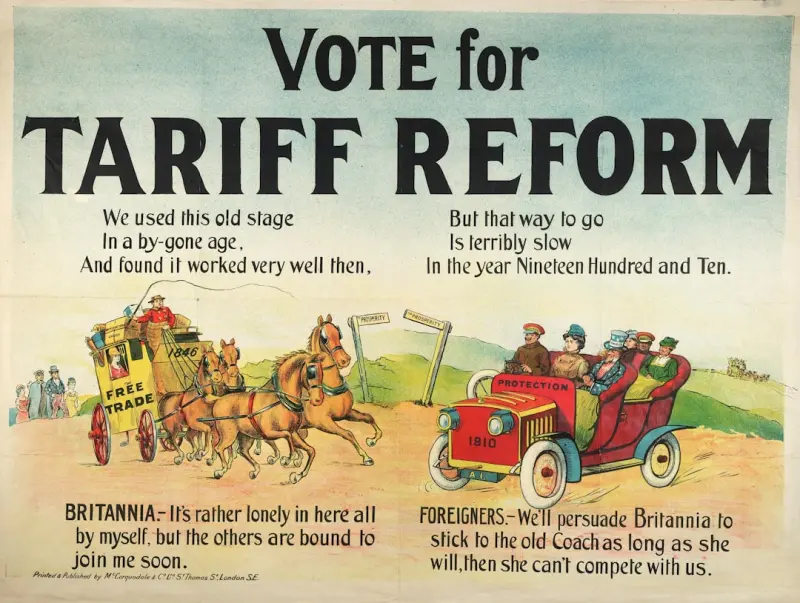
Tariffs Unveiled: How Hidden Duties Shape Canadian Daily Life
Tariffs may be invisible, but they’re reshaping grocery prices, e‑commerce, and local economies.... Read More

Tariff Shockwaves: Building SaaS Resilience in a Fragmented World
Tariffs are no longer just a hardware cost—they’re a strategic variable reshaping SaaS. This pos... Read More
Tariff Turbulence: Redefining Tech Procurement in a Shifting Trade Landscape
Tariffs reach far beyond customs desks, affecting every layer of tech procurement—from hardware co... Read More
Top Posts

Digital Nomad Visas: The New Frontier for Long-Term Travel
Digital nomad visas are turning long‑term travel into a sustainable lifestyle, offering economic boosts to host cities while challenging traditional tourism m...Read More

Crafting a Prom & Graduation Night That Reflects You
Discover fresh ideas for a prom and graduation night that blend personal flair, clever budgeting and eco‑conscious touches, turning these milestones into unfo...Read More

Trenton Kin Club Carnival Kicks Off This Weekend at Centennial Park – May 29 to June 1, 2025
The thrill of the carnival is coming to Trenton! Mark your calendars for May 29th to June 1st, 2025, as the Trenton Kin Club Carnival transforms Centennial Park...Read More

Rethinking Ontario Fishing: How Data, Drones, and Community Are Changing the Catch
A deep dive into the new wave of tech‑savvy, community‑focused fishing in Ontario, exploring drone scouting, AI forecasts, and collaborative stewardship....Read More
0 Comments
Post Comment
You will need to Login or Register to comment on this post!