

Rethinking Tariffs as Catalysts for Home‑Grown Innovation
When most Canadians hear “tariff,” the immediate image is a cost added at the border, a burden on the checkout line. What if we flipped that narrative and viewed tariffs as a signal urging our economy toward self‑reliance and creative problem‑solving? By interpreting trade barriers not as static penalties but as dynamic incentives, entrepreneurs can uncover niche markets, redesign supply chains, and spark home‑grown research that would otherwise remain dormant.
The Green Turn: Using Tariffs to Accelerate Climate‑Friendly Production
Recent policy debates have hinted at leveraging tariffs to favor low‑carbon goods, a move that could reshape Canada’s environmental footprint. Imagine a scenario where imported high‑emission steel faces higher duties, prompting manufacturers to invest in domestic, greener alloys; the ripple effect would be cleaner factories and a stronger green‑tech sector. This strategic use of duty structures aligns fiscal policy with climate goals, turning a traditional trade tool into a lever for sustainable progress.
From Global Pressure to Local Opportunity: A Small‑Business Playbook
Small enterprises often feel the sting of tariff spikes, yet those same spikes can illuminate untapped domestic talent pools and raw material sources. By conducting a rapid audit of product components, a boutique apparel brand might replace imported synthetic fibers with locally sourced wool, simultaneously reducing duty costs and marketing a “Made in Canada” story that resonates with conscious shoppers. This approach converts a cost challenge into a brand‑building advantage, fostering resilience in a volatile global market.
Consumer Empowerment Through Tariff Transparency
One of the biggest frustrations for shoppers is the opacity of duty calculations, which can hide the true price of a product until it arrives. Enhancing transparency—through clear labeling or digital tools—gives buyers the power to compare domestically produced alternatives versus imported ones, driving demand toward local manufacturers. When consumers make informed choices, market forces naturally reward businesses that adapt to tariff realities, creating a virtuous cycle of accountability and innovation.
Policy Advocacy: How Communities Can Shape Future Tariff Structures
Beyond reacting to tariffs, Canadians can proactively influence how duties are designed by engaging with policymakers at municipal and federal levels. Grassroots coalitions that bring together environmental groups, industry leaders, and consumer advocates can propose tiered duty systems that reward sustainability and penalize carbon‑intensive imports. By presenting data‑driven arguments—such as those highlighted in the open data movement—these coalitions make a compelling case for smarter, purpose‑aligned trade policies.
Technology’s Role: Data‑Driven Strategies to Navigate Tariff Shifts
Artificial intelligence and real‑time analytics are becoming essential tools for businesses facing frequent tariff adjustments. Companies that integrate predictive models can forecast duty changes, adjust inventory, and negotiate better supplier contracts before price shocks hit the balance sheet. The rise of conversational AI trends also enables automated customer communication, explaining tariff impacts in plain language and preserving trust during volatile periods.
Case Study: A Canadian Tech Startup Turning Tariff Hurdles Into Funding Opportunities
Consider a startup developing advanced battery modules that relied on imported rare‑earth components suddenly faced a 15% duty increase. Rather than scaling costs, the founders pivoted to a grant‑focused R&D program, securing government funds earmarked for domestic critical‑minerals research. The extra capital not only covered the duty gap but also accelerated a prototype that now competes with overseas rivals, illustrating how tariff pressures can unlock alternative financing streams.
Regional Collaboration: Building Inter‑Provincial Networks to Mitigate Duty Impacts
Provinces with complementary industries—such as Quebec’s aerospace sector and Ontario’s advanced manufacturing base—can forge supply‑chain alliances that reduce reliance on costly imports. By sharing resources, standardizing component specifications, and co‑investing in regional logistics hubs, these networks dilute the effect of individual tariff spikes, spreading risk across a broader economic landscape. Such collaboration mirrors the spirit of community co‑ops, yet operates at a scale capable of influencing national trade discussions.
Future Outlook: Anticipating the Next Wave of Tariff Innovation
Looking ahead, tariffs are likely to become more nuanced, targeting specific environmental footprints, labor standards, and digital services. Companies that embed flexibility into their design processes—such as modular product architectures that can swap out imported parts for local equivalents—will thrive amidst evolving duty regimes. By treating tariffs as a moving target rather than a fixed wall, Canadian innovators position themselves at the forefront of a trade ecosystem that rewards agility, sustainability, and strategic foresight.
Action Steps for Readers: Turning Insight Into Impact
Start by mapping the tariff profile of your most critical inputs, then identify domestic alternatives that align with your brand values. Engage local chambers of commerce to stay informed about upcoming duty changes, and consider joining advocacy groups that champion transparent, climate‑friendly trade policies. Finally, leverage data tools and AI‑driven analytics to predict future tariff scenarios, turning uncertainty into a strategic advantage that fuels growth and community resilience.

Related Posts
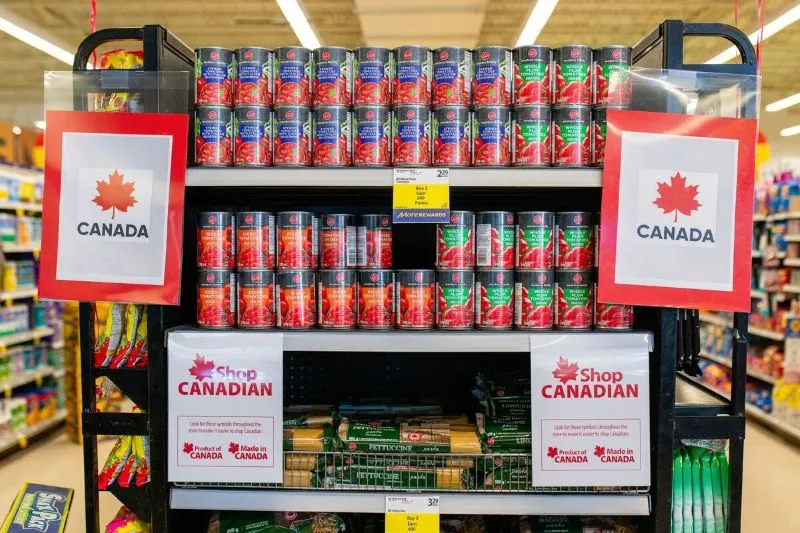
How Canadians are Standing Up to Trump's Tariffs in the Grocery Aisles
For years, Canada and the United States enjoyed a relatively harmonious trade relationship. However,... Read More

Tariff Ripple Effects: Why Everyday Products Are Facing a Quiet Crisis
Tariffs aren’t just about steel and wheat; they silently raise prices for everyday items. Discover... Read More

Tariff Turbulence: How SaaS Companies Can Turn Trade Duties into Strategic Advantage
Tariffs are reshaping the SaaS landscape by hitting hardware costs and subscription pricing. This ar... Read More
Top Posts

Decoding Dark Social: Unseen Pathways to B2B Growth
Dark social, the private channels where professionals share content, holds untapped B2B potential. This post reveals data‑driven methods, AI insights, and pra...Read More

Legal AI & the New Frontier of Ethical Practice
A deep dive into the rise of artificial intelligence in law, its ethical challenges, and actionable guidance for firms seeking to adopt AI responsibly....Read More

When Sound Becomes the Secret Ingredient in Your Restaurant
A deep dive into why sound matters in restaurants, practical steps to improve acoustics, and emerging tech that turns your dining room into a revenue‑boosting...Read More

Parental Warning: The Hidden Cost of Kid‑Centric Subscriptions
A deep dive into the subscription economy aimed at kids, uncovering hidden fees, data harvesting, and actionable strategies for parents to safeguard their child...Read More
0 Comments
Post Comment
You will need to Login or Register to comment on this post!