
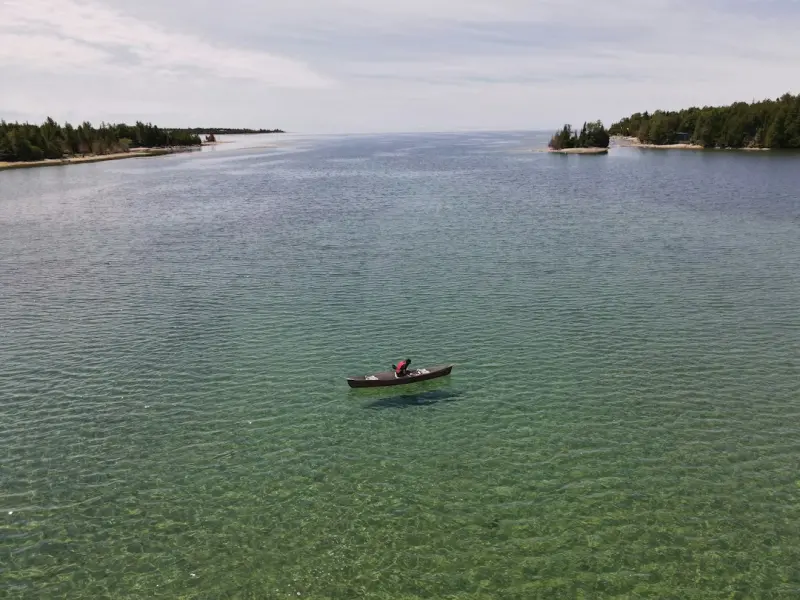
Reeling in the Future: Ontario Anglers Embrace AI and Drones
When I first grabbed a rod on the shores of Lake Simcoe last summer, I was armed with nothing more than a worn‑out tackle box and a gut feeling about where the bass might be lurking. Fast forward a few weeks, and I found myself chasing the same fish with a drone hovering overhead, a handheld AI‑powered fish finder, and a smartphone app that predicts bite times better than my own instincts. The transformation has been so rapid, it feels like the whole Ontario fishing scene has taken a quantum leap from nostalgic pastime to high‑tech adventure.
Why Technology Is Suddenly the Hottest Bait
Ontario boasts more than 250,000 lakes, rivers, and wetlands—an endless playground for anglers of every stripe. Yet, the sheer abundance of water also means an overwhelming amount of choice. The modern fisher, especially the millennial and Gen‑Z cohort, craves precision and efficiency. They’re juggling remote‑work schedules, weekend getaways, and a growing appetite for data‑driven hobbies. That’s why a suite of gadgets—some of them barely a year old—has become as indispensable as a good pair of waders.
- AI‑enhanced sonar: Devices that learn from previous casts, water temperature, and even the time of day to highlight likely fish‑holding structures.
- Drones for scouting: Aerial views that reveal surface disturbances, submerged weed beds, and even school formations that would be invisible from the shore.
- Mobile ecosystems: Apps that aggregate weather forecasts, lunar cycles, and crowdsourced catch reports into a single, customizable dashboard.
The convergence of these tools is not just about landing a bigger trophy. It’s reshaping how we plan trips, share experiences, and even think about conservation.
From “Cast & Hope” to “Cast & Compute”
Traditional fishing folklore teaches us to “find the structure, wait for the bite.” That wisdom still holds, but now the structure can be plotted on a digital map. Take the sustainable fishing culture that’s blossoming across Ontario’s lakes—technology is the quiet partner that helps it thrive. By recording exact catch locations and sizes, anglers can collectively monitor population health and adjust their tactics before any single lake feels the pressure.
One local startup, LakeIQ, has rolled out a subscription service that syncs with popular sonar units. The platform aggregates data from thousands of anglers, producing heat maps that show “hot zones” for species like walleye and pike. The beauty? These maps are constantly refreshed, meaning you’re never fishing the same stale spot twice.
Drone‑Assisted Spotting: A Bird’s‑Eye View
Imagine gliding over a mist‑shrouded inlet at dawn, your drone’s camera feeding a live video stream to your tablet. You spot a ripple—a school of fish breaking the surface—then drop a lightweight, biodegradable lure from the air. Within minutes, you’re on the dock, line in hand, ready to match the drone’s GPS coordinates.
Many anglers were skeptical at first, fearing that drones would “cheat” the sport. However, the reality is far more nuanced. Drones excel at environmental scouting rather than direct fish detection. They help you locate features—like submerged logs, drop-offs, or aerated pockets—where fish naturally congregate. By pairing that visual intel with sonar data, you can make an informed decision about where to cast, dramatically improving success rates.
Regulatory bodies in Ontario have responded thoughtfully. The Ministry of Natural Resources and Forestry (MNRF) now permits recreational drone use for scouting, provided operators maintain a 200‑meter distance from other watercraft and respect wildlife nesting zones. This balanced approach encourages innovation while safeguarding ecosystems.
AI Predictors: Turning Moon Phases Into Bite Forecasts
We’ve all heard the old wives’ tale that “full moons bring bigger bites.” Modern AI has taken that myth and turned it into a data‑driven model. By ingesting decades of catch logs, satellite weather data, and lunar calendars, machine‑learning algorithms can now predict peak feeding windows down to the hour.
Apps like FishPulse deliver these predictions straight to your phone. The UI is simple: select your target species, pick a lake, and the app lights up the best times to cast. It even nudges you with reminders when conditions shift—say, a cold front arrives or the wind direction changes—ensuring you stay adaptable.
For many Ontario anglers, this has been a game‑changer. A friend of mine, a corporate lawyer who only fishes on weekends, told me that after adopting AI predictions, his catch rate jumped from an average of three fish per outing to eight, without spending extra time on the water.
The Social Dimension: Virtual Tournaments and Community Boards
Fishing used to be a solitary pursuit or a small‑group outing. Now, a vibrant online community thrives around shared data and friendly competition. Platforms host virtual tournaments where participants log catches in real time, earning points for size, rarity, and sustainability practices (like catch‑and‑release). Leaderboards update live, and winners receive digital badges and, occasionally, local gear sponsorships.
These tournaments have a twofold benefit: they keep anglers engaged during off‑season months and they create a massive, crowdsourced dataset that researchers can analyze for population trends. It’s a modern spin on the classic “big‑catch story” that also serves science.
Balancing Tech with Tradition
While the tech wave is exhilarating, many purists worry that the soul of fishing could be lost. I hear this sentiment often at local bait shops: “We don’t need all that gadgetry; the water tells you everything you need to know.” The truth sits somewhere in the middle.
Technology should be viewed as a tool—a magnifying glass for the instincts you already possess. The best outcomes happen when you blend the feel of the line, the sound of the water, and the intuition honed over years with the precision of data. In practice, that might mean using a drone to locate a promising structure, then listening for the subtle surface chatter that indicates a fish school is feeding.
Environmental Stewardship in the Digital Age
One of the most promising side effects of this tech adoption is heightened environmental awareness. When anglers see real‑time maps of fish populations, they become more attuned to the health of the water bodies they love. Many now practice “digital catch‑and‑release,” logging each fish’s weight and location before gently returning it to the lake. This data feeds back into the community platforms, creating a virtuous loop of responsible fishing.
Moreover, the rise of biodegradable drones and low‑impact lures reflects an industry-wide shift toward sustainability. Companies are racing to develop drones that use solar power, and lure manufacturers are experimenting with plant‑based polymers that dissolve harmlessly if lost in the water.
Getting Started: Your First Tech‑Enhanced Outing
If you’re curious but hesitant, here’s a straightforward roadmap to dip your toes into the future of Ontario fishing:
- Step 1: Choose a compatible sonar device. Look for models that sync with smartphones and offer AI analytics. Brands like Deeper Smart Sonar and Garmin Panoptix are popular choices.
- Step 2: Download a reputable fishing app.Hidden Waters offers a robust community map, while FishPulse provides AI bite forecasts.
- Step 3: Invest in a beginner‑friendly drone. A lightweight quadcopter with a 1080p camera and GPS waypoint capability will suffice. Ensure it’s registered according to Canadian drone regulations.
- Step 4: Join a local online angling group. Communities on Discord, Reddit, and dedicated forums share tips, organize virtual tournaments, and help newcomers troubleshoot gear.
- Step 5: Practice responsible tech use. Always respect privacy, keep drones away from wildlife nests, and clean up any debris you might accidentally drop into the water.
Within a few outings, you’ll notice a shift—not just in your catch numbers, but in how you perceive the water. The lake becomes a living data set, and you, the angler, become both observer and participant in a larger ecological narrative.
Looking Ahead: The Next Wave
What’s next for Ontario fishing tech? Expect deeper integration of augmented reality (AR) lenses that overlay sonar readings directly onto your field of view, and perhaps even autonomous surface bots that scout for fish and relay information back to you in real time. As 5G networks expand across the province, the latency between your device and the lake will shrink to near‑instantaneous, making real‑time decision‑making smoother than ever.
But the most exciting prospect isn’t the gadgets themselves—it’s the community that forms around them. When anglers share data, stories, and successes, they build a collective knowledge base that can protect Ontario’s waterways for generations. In that sense, every new app download, every drone flight, and every AI prediction contributes to a larger mission: ensuring that the simple joy of casting a line endures, even as the world around us evolves.
So, the next time you pack your gear, consider slipping a small, smart device into your tackle box. The lake is waiting, and now you have a whole new set of eyes—and a brain—ready to help you find the perfect bite.

Related Posts
Fishing with a Conscience: Sustainable Practices on Ontario’s Lakes and Rivers
Discover how to fish responsibly in Ontario with sustainable gear, catch‑and‑release techniques,... Read More

Ontario’s Hidden Fishing Gems: A Local’s Guide to Reel Success
Explore Ontario’s hidden fishing gems with insider tips on gear, techniques, and sustainable pract... Read More

Undiscovered Angling Hotspots Across Ontario’s Waters
A deep dive into Ontario’s quiet fishing locales, offering practical gear advice, seasonal insight... Read More
Top Posts

Uncovering the Hidden Expenses That Inflate Your Cost of Living
Explore the silent budget busters—subscriptions, food waste, and utility tricks—that swell your cost of living, and get actionable tips to reclaim your mone...Read More

Legal Design Thinking: Making Law Clear, Accessible, and Future‑Ready
Explore the rise of legal design thinking and learn how visual tools, clear contracts, and user‑focused lawmaking are reshaping the legal landscape....Read More
Bill 242: A Critical Examination of the Safer Municipalities Act and its Impact on the Homeless
As someone deeply invested in social justice and human rights, I've been following the development and implications of Bill 242, the Safer Municipalities Act, w...Read More

Why Canada’s Move Toward Proportional Representation Could Reshape Parliament
A deep dive into why shifting to proportional representation could transform Canadian democracy, offering fairer representation, stronger Indigenous voices, and...Read More
0 Comments
Post Comment
You will need to Login or Register to comment on this post!