
Tech‑Savvy Anglers: How Data, Drones, and Apps Are Redefining Ontario’s Fishing Experience
When I first cast a line on Lake Simcoe as a kid, the only “tech” I knew was the humble bobber bobbing up and down in the water. Fast forward a few decades, and the Ontario angling scene is buzzing with smartphones, real‑time water‑quality dashboards, and even drones humming above the rippling surface. This isn’t a novelty for the sake of novelty; it’s a fundamental shift that’s helping us fish smarter, protect the ecosystems we love, and connect with a community that’s as diverse as the province’s lakes themselves.
The Data Deluge: From Grain Silos to Fish Ladders
Ontario’s freshwater network spans more than 250,000 lakes, and each one tells a story through temperature, dissolved oxygen, and seasonal plankton blooms. Historically, gathering that data was the domain of government agencies and academic researchers—think cumbersome field surveys and annual reports that arrived after the fishing season closed.
Enter the era of citizen science platforms. Mobile apps now let anglers log catch locations, species, and even bait type with a tap. The aggregated data is anonymized, plotted on interactive maps, and fed back to both anglers and fisheries managers. It’s the same principle that farmers are using data to gain a competitive edge, but applied to the water.
- Real‑time water temperature maps let you target trout runs before they disperse.
- Oxygen saturation alerts warn when a lake is entering a stressful “dead zone,” saving you from a fruitless outing.
- Species‑specific catch logs help track emerging trends, such as the northward migration of warm‑water fish.
What’s revolutionary is the feedback loop: the more anglers contribute, the richer the data set becomes, and the more precise the recommendations grow. This democratization of information is turning every fisherman into a data point, and every data point into a smarter fishing strategy.
Drone‑Assisted Spotting: Eyes in the Sky
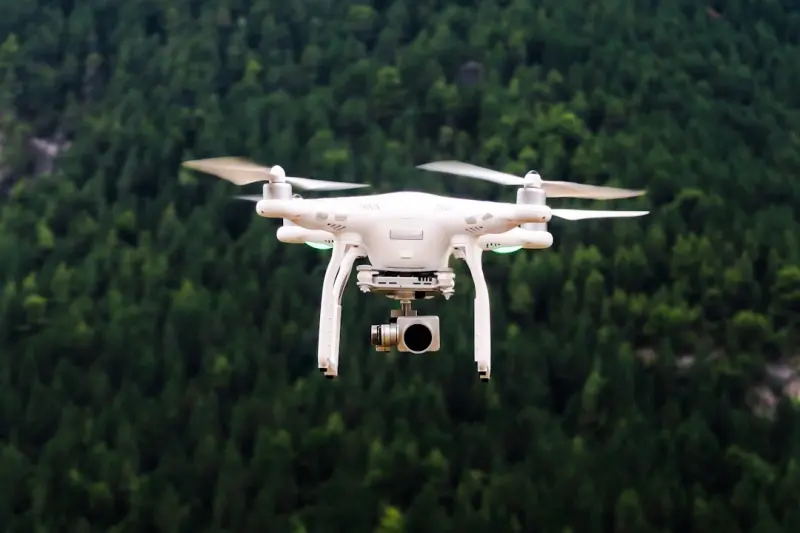
Imagine hovering a few dozen meters above a secluded cove, the drone’s camera feeding you a live video stream of schools of fish shimmering beneath the surface. That’s no longer a sci‑fi scenario. Drone technology has become affordable enough that many Ontario anglers are adding a compact quadcopter to their tackle box.
Here’s how I use mine:
- Pre‑trip scouting: I launch the drone from the shoreline an hour before sunrise. The thermal sensor highlights temperature gradients that often correlate with baitfish concentrations.
- Spotting surface activity: A quick sweep reveals surface feeders like bass or pike congregating around fallen logs or weed beds.
- Safety check: The aerial view helps identify submerged hazards—rock piles, tangled kelp, or even unexpected boat traffic.
While drones add a high‑tech edge, they also demand responsible use. Ontario’s fishing regulations require you to keep the drone at least 30 metres away from other vessels and respect wildlife nesting areas. By staying within these guidelines, we can enjoy the benefits without compromising the natural balance.
Smart Lures and Connected Tackle
Remember the days of a simple spinner and a gut feeling? Modern lures now come equipped with Bluetooth‑enabled vibration motors that sync with a smartphone app. The app records strike frequency, depth, and even the lure’s movement pattern. Over time, the software builds a personal “strike profile” that suggests the optimal retrieval speed for a given water condition.
For example, on a warm afternoon on Lake Nipissing, my app indicated that a slower, steady retrieve was yielding more walleye bites than the traditional “jig‑and‑wiggle.” Adjusting on the fly, I switched tactics and landed a trophy‑size fish that I might have otherwise missed.
Open‑Data Portals: The civic tech revolution Meets Angling
Ontario’s government has been steadily releasing open data sets—water levels, invasive species sightings, and even fishing licence sales. By tapping into these portals, developers have built tools that overlay licensing trends with lake health metrics. As an angler, I can now see how a spike in licence purchases for a particular lake aligns with a recent surge in invasive zebra mussels, prompting me to choose a different spot and help reduce the spread.
This synergy between public data and private innovation is a hallmark of the civic tech revolution. It transforms static reports into dynamic decision‑making tools that empower us to fish responsibly while still enjoying the thrill of the chase.
Community Platforms: From Forums to Real‑Time Chat Rooms
While we’ve already covered data, drones, and smart gear, the social aspect of fishing remains pivotal. Platforms like LakeTalk and regional Discord servers host real‑time chat rooms where anglers share live updates: “Just spotted a massive lake trout at 15 ft near the north inlet!” or “Water temperature dropped 2°C after the rain—perfect for grayling.”
These communities act as a living, breathing supplement to the static data dashboards. They bring the human intuition that algorithms can’t replicate—like the instinct to cast near a fallen tree after a sudden gust of wind, a nuance that’s hard to encode in a spreadsheet.
Balancing Tech with Tradition
It’s easy to get swept up in the latest gadget and forget why we cast in the first place: the quiet moments, the rhythmic splash, the anticipation of a bite. The best tech respects that rhythm instead of disrupting it.
Here are a few guiding principles I follow:
- Use tech as a guide, not a crutch. Let data suggest promising spots, but trust your eyes and ears on the water.
- Respect the environment. Even the most advanced drone can disturb nesting birds if flown recklessly.
- Stay present. Turn off notifications while you’re on the boat—let the app be a tool, not a distraction.
Future Forecast: AI‑Powered Predictive Models
The next frontier is likely to involve artificial intelligence that can predict fish movement weeks in advance, based on historic climate data, water chemistry, and even satellite imagery of algae blooms. Early pilots in the United States are already testing models that forecast “hot zones” for specific species. Ontario’s rich data ecosystem positions us perfectly to adopt similar technologies, potentially turning a weekend outing into a scientifically optimized expedition.
Imagine receiving a push notification the night before your trip: “Tomorrow’s early‑morning conditions on Lake St. Clair favor smallmouth bass at 8–12 ft near the western shoal. Recommended lure: soft‑plastic crankbait with a 1‑second pause.” That level of precision would have seemed impossible a decade ago.
Getting Started: A Checklist for the Tech‑Curious Angler
If you’re ready to dip your toe into this high‑tech fishing world, here’s a starter kit:
- Smartphone fishing app: Look for one that offers free water‑temperature maps, catch logging, and community features.
- Compact drone: Choose a model with a decent battery life (15‑20 min) and a stable camera for low‑light conditions.
- Bluetooth‑enabled lure: Start with a versatile spinnerbait that pairs with a free companion app.
- Open‑data explorer: Bookmark Ontario’s water‑quality portal and set up RSS alerts for your favorite lakes.
- Community chat: Join a local Discord or Facebook group focused on your region.
Remember, each piece of tech is an investment in both your success on the water and the stewardship of Ontario’s freshwater bounty. By embracing data, drones, and community tools, we’re not just catching more fish—we’re building a resilient, informed angling culture that can adapt to the challenges of climate change, invasive species, and shifting ecosystems.
So the next time you pack your tackle box, consider slipping in a portable charger, a lightweight drone, and a fresh set of data‑driven insights. The lakes are waiting, and they’ve never been more inviting.

Related Posts
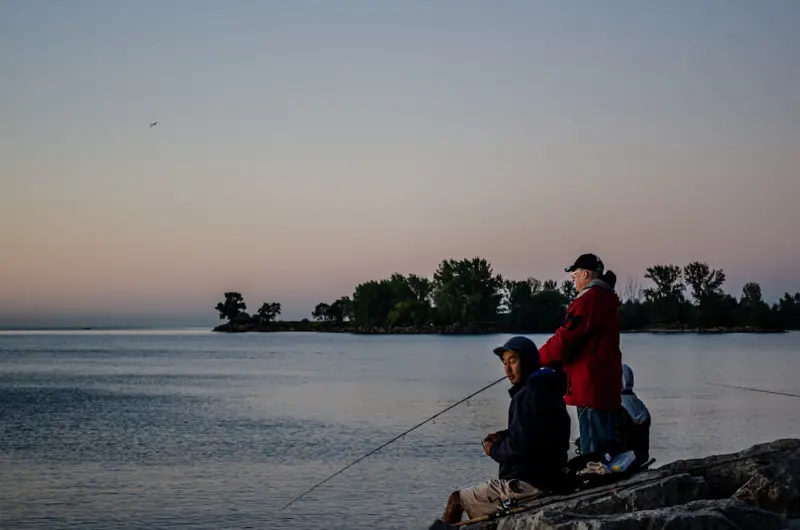
Ontario Night Fishing: Secrets Under the Moonlit Waters
Explore Ontario’s hidden night‑time fishing hotspots, learn how to gear up, choose the right bai... Read More
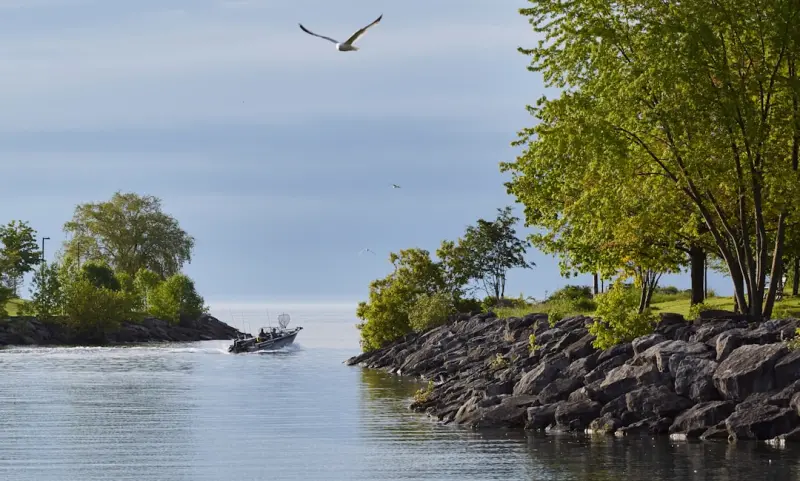
Ontario’s Secret Fishing Spots: A Local’s Guide to Uncharted Waters
Tracie Higgins uncovers Ontario’s lesser‑known fishing destinations, offering practical advice o... Read More

Casting Light on Ontario’s High-Tech Fishing Frontier
Explore the newest tech tools—from sonar‑enabled smartphones and drones to AI‑driven regulatio... Read More
Top Posts

Decoding Tariffs: How Transparency Empowers Consumers and Small Businesses
Explore the hidden costs of tariffs, learn practical tools for decoding duties, and see how transparency can turn challenges into competitive advantages for sho...Read More

Breathe Better at Home: A Practical Guide to Clean Indoor Air
Indoor air quality often goes unnoticed, yet it profoundly impacts sleep, immunity, and respiratory health. This guide offers actionable steps—monitoring, ven...Read More

Fermentation at Your Desk: Simple Gut‑Friendly Foods for Busy Professionals
Learn how easy, desk‑friendly fermentation can enhance digestion, energy, and focus with simple recipes and practical tips for busy professionals....Read More
Micro‑Experiences: The New Engine Driving B2B SaaS Marketing Success
Micro‑experiences—brief, highly contextual interactions—are reshaping B2B SaaS marketing. Learn how to build a micro‑experience engine, integrate it wit...Read More
0 Comments
Post Comment
You will need to Login or Register to comment on this post!