
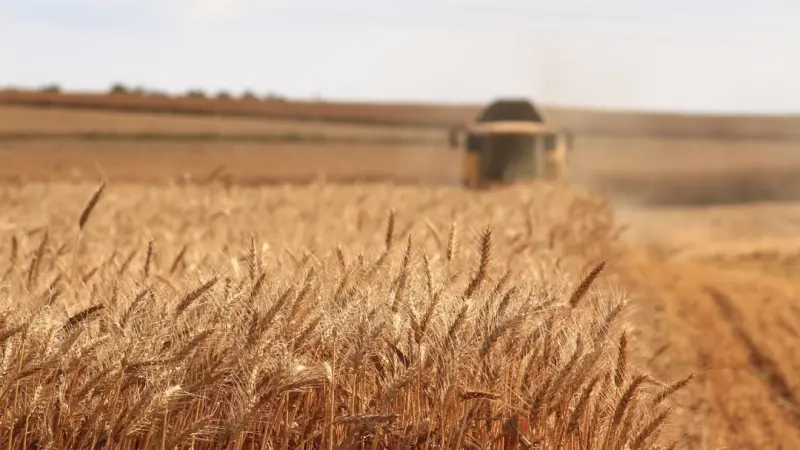
Canadian agriculture is at a crossroads where tradition meets technology, and the fields are becoming data‑rich ecosystems. While the image of a farmer in a straw hat still haunts our collective imagination, today’s growers are tapping into sensor networks, satellite imagery, and collaborative platforms to make decisions that were once left to chance. This shift isn’t just about higher yields; it’s about building a sustainable, profitable future that respects the land and the people who tend it.
From Soil Sensors to Satellite Imagery
Decades ago, a farmer might have walked the rows, feeling the soil with gloved hands to gauge moisture levels. Now, a network of soil sensors buried a few inches deep transmits real‑time data on temperature, moisture, and nutrient content to a farmer’s tablet. This granular information lets growers apply water or fertilizer only where it’s needed, cutting waste and protecting waterways.
On a broader scale, high‑resolution satellite imagery offers a bird’s‑eye view of entire farms. By analyzing the subtle color variations across a field, algorithms can flag early signs of disease or pest pressure before they become visible to the naked eye. The result? Interventions can be timed precisely, reducing the need for blanket pesticide applications and lowering input costs.
Data Democratization on the Farm
One of the biggest challenges has been making these sophisticated tools accessible to farms of all sizes. While large agribusinesses have long owned the data pipelines, a new wave of farm‑focused SaaS platforms is leveling the playing field. These services package complex analytics into intuitive dashboards, allowing a family‑run operation in Saskatchewan to benefit from the same insights as a multi‑million‑acre enterprise.
For example, a farmer can set up alerts that trigger when soil moisture drops below a threshold, prompting an automated irrigation schedule. The same platform might recommend a specific nitrogen blend based on the latest soil test results, ensuring that every kilogram of fertilizer contributes directly to yield growth.
The Human Side of Tech Adoption
Technology alone does not guarantee success; the people behind the tools matter just as much. Many Canadian growers are grappling with the learning curve that comes with new software and hardware. To address this, cooperatives are establishing mentorship programs where early adopters share best practices with their neighbors.
Moreover, mental health is emerging as a critical focus. The pressure to stay competitive can be overwhelming, especially when weather patterns become unpredictable. By fostering community support networks—both online and in‑person—farmers can share experiences, celebrate successes, and seek help when needed. The sense of belonging reduces isolation and improves overall wellbeing.
Building Resilient Communities
Beyond individual farms, regional collaboration is unlocking new opportunities. Shared data pools enable neighboring growers to compare performance metrics, identify regional trends, and collectively negotiate better pricing for inputs and equipment. This cooperative approach mirrors the spirit of community‑led conservation initiatives, but applied to agriculture.
In addition, many farms are diversifying revenue streams by integrating renewable energy projects. Solar arrays installed on barn roofs or wind turbines on marginal land generate clean power, which can be sold back to the grid or used to offset farm energy costs. These initiatives not only provide financial stability but also reinforce the farmer’s role as a steward of the environment.
Leveraging Advanced Analytics Without Overcomplicating
While big data can be intimidating, practical analytics focus on a few key performance indicators (KPIs) that matter most to growers: yield per hectare, input cost per tonne, and water usage efficiency. By tracking these metrics over multiple seasons, farmers can spot patterns and adjust practices accordingly.
For those hesitant about diving deep into analytics, the principle of “start simple, scale fast” applies. Begin with a single sensor or a basic weather station, gather data for a growing season, and evaluate the impact. Once confidence builds, additional layers—like drone‑captured NDVI maps—can be introduced.
Connecting to Markets Through Digital Platforms
Technology is also reshaping how Canadian farmers reach consumers. Direct‑to‑consumer platforms allow producers to sell fresh produce, meat, and dairy products online, bypassing traditional distribution channels. By integrating inventory management with real‑time market demand data, growers can adjust planting decisions to match consumer trends, reducing waste and enhancing profitability.
These digital marketplaces often incorporate storytelling features, letting farmers share the narrative behind each product. Consumers increasingly value transparency, and a farmer’s personal story can command premium prices, fostering a stronger bond between producer and buyer.
Smart Financing for a Modern Farm
Access to capital remains a hurdle for many innovators. However, fintech solutions tailored to agriculture are emerging, offering flexible loan structures based on projected cash flows derived from farm data. Lenders can assess risk more accurately when they have access to real‑time performance metrics, making financing more attainable for small to medium‑size operations.
Some platforms even enable revenue‑sharing agreements, where investors receive a percentage of the farm’s earnings instead of fixed interest payments. This aligns incentives, encouraging both parties to focus on long‑term sustainability and growth.
What the Future Holds: A Collaborative Ecosystem
The next frontier for Canadian agriculture lies in an interconnected ecosystem where data, people, and technology converge. As farms adopt precision tools, they generate valuable datasets that can inform regional planning, climate research, and policy development. Governments and research institutions are beginning to recognize the potential of this aggregated knowledge, creating opportunities for public‑private partnerships.
Moreover, the rise of open‑source agricultural data standards promises to break down silos, allowing different platforms to communicate seamlessly. This interoperability will enable farmers to stitch together the best solutions from multiple vendors, crafting a truly customized tech stack.
Practical Steps to Get Started
- Identify a pain point. Choose one area—such as irrigation efficiency or pest detection—to focus on first.
- Start small. Deploy a single sensor or a basic weather station and monitor the results.
- Leverage existing networks. Join local farmer groups or online forums to share insights and learn from early adopters.
- Invest in training. Allocate time for yourself and your team to become comfortable with new tools.
- Measure impact. Track relevant KPIs before and after implementation to quantify benefits.
By taking incremental steps, Canadian farmers can transition from intuition‑based practices to data‑driven decision making without overwhelming their operations.
Conclusion: Cultivating a Data‑Rich Legacy
The integration of technology into agriculture is not a fleeting trend; it’s a fundamental evolution that respects the legacy of Canadian farming while equipping it for the challenges of tomorrow. From soil sensors that whisper the needs of the earth to collaborative platforms that unite growers across provinces, the tools are at hand. The true power, however, lies in the willingness of farmers to embrace change, share knowledge, and cultivate a resilient, prosperous future for the next generation.

Related Posts
Regenerative Roots: How Canadian Farmers Are Cultivating Climate‑Smart Futures
Canadian farmers are pioneering regenerative practices that combine Indigenous knowledge, cutting‑... Read More
How Canadian Farmers Are Turning Data Into Soil Superpowers
Canadian farmers are embracing data-driven regenerative agriculture, using sensors, drones, and digi... Read More
Regenerative Roots: How Canadian Farmers are Turning Soil into Climate Capital
Canadian farmers are embracing regenerative agriculture to improve soil health, generate carbon cred... Read More
Top Posts

Tiny Moves, Big Gains: How Micro‑Movements Transform Everyday Health
Learn the power of micro‑movements: brief, simple exercises you can fit into any routine to improve circulation, metabolism, and focus....Read More

Reeling in the Future: Data‑Driven Angling on Ontario’s Lakes
Ontario anglers are turning to data, sensors, and community platforms to fish smarter and protect the province’s lakes, creating sustainable tourism and stron...Read More

The Community Power Play: How Shared Resources Slash Your Cost of Living
Explore how neighborhood solar co‑ops, tool libraries, and bulk buying collectives can transform everyday expenses, creating a resilient, lower‑cost lifesty...Read More

Unlocking Hidden Levers to Tame Your Cost of Living
A fresh, actionable guide reveals how to transform cost‑of‑living pressures into strategic wins using technology, community exchanges, and mindset shifts....Read More
0 Comments
Post Comment
You will need to Login or Register to comment on this post!