
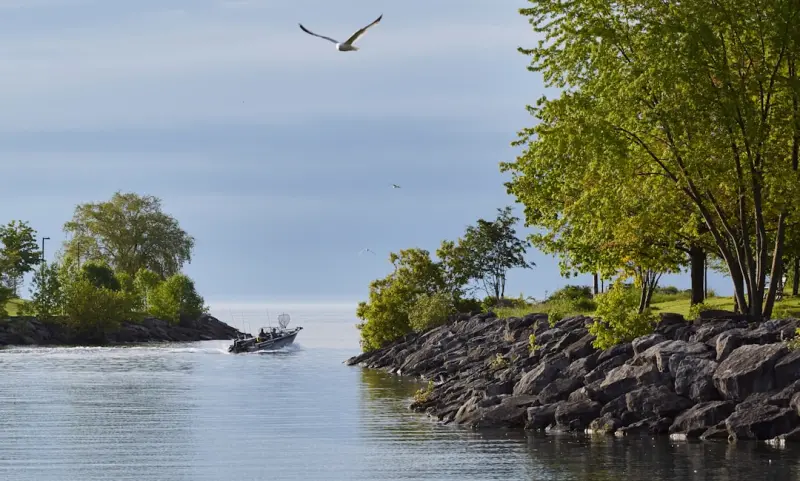
Ontario is a fisherman’s dream, but most anglers spend their days on the same well‑trodden lakes and rivers that appear on every guidebook. I’ve spent a decade chasing the bite across the province, and I keep discovering that the most rewarding moments happen far from the crowds. In this post I’m pulling back the curtain on a handful of truly hidden waters—places that locals guard like secret recipes, and that promise not just fish, but stories you’ll tell for years.
The Allure of the Uncharted
There’s a subtle thrill in stepping onto a shore that few have seen before. The quiet is louder, the water feels fresher, and every ripple could be the start of a new tale. For many, the appeal lies in escaping the “always‑busy” vibe of places like Lake Simcoe or the Niagara River. But beyond the obvious benefits of less pressure on the fish, hunting down a hidden spot forces you to become a better planner, a sharper observer, and a more patient angler.
In fact, the process of selecting a secluded location mirrors what I call clear decision‑making in any high‑stakes environment. You weigh access, safety, fish species, and even the local ecosystem’s health before committing a weekend to a remote dock. The payoff? A day where the fish seem to be waiting just for you, and you leave with a sense of ownership over a slice of Ontario’s vast water tapestry.
How to Spot a Hidden Gem
Finding these secret spots isn’t about luck—it’s about a few proven strategies:
- Study topographic maps. Look for small, unnamed water bodies or tributaries that lack road access. Those are often overlooked by commercial outfitters.
- Talk to locals. Residents of small townships love to brag about their “secret” fishing holes. A quick chat at a coffee shop or a hardware store can yield coordinates that don’t appear online.
- Check provincial conservation reports. They list fish population surveys for lakes that are not on the tourist radar.
- Use satellite imagery. Tools like Google Earth let you spot clear water bodies surrounded by dense forest—prime candidates for pristine habitats.
Armed with this research, you’ll be ready to pack the right gear, navigate the backroads, and, most importantly, respect the quiet that makes these spots special.
Top Five Secret Lakes Worth the Trek
Below are five lakes that have consistently delivered strong bites while staying under the radar. I’ve included the best time to fish, the species you can expect, and a tip that often makes the difference between a day of “just getting by” and a day of brag‑worthy catches.
- Lake St. George (Muskoka region) – Tucked behind a narrow, unpaved road, this lake’s deep, clear water holds a thriving population of smallmouth bass and northern pike. Best time: Early morning in late summer when the surface is calm. Pro tip: Use a medium‑weight jig tipped with a minnow replica; the bass are aggressive during low‑light periods.
- Whispering Cove (Parry Sound District) – A tiny, crescent‑shaped inlet off a larger lake, Whispering Cove is a sanctuary for brook trout. The cove’s shaded shoreline creates a cooler micro‑climate, perfect for trout during warm weeks. Best time: Mid‑afternoon after a light rain. Pro tip: Float a nymph on a 5‑weight line; the trout feed just beneath the surface after a downpour.
- Hidden Lake (Algoma County) – Accessible only via a logging road that’s often muddy, this lake is a hidden bass haven. It’s less frequented because the road can be tricky, but those who brave it find a lake teeming with largemouth bass in the early fall. Best time: Late September, when water temperatures dip into the 60s°F. Pro tip: Cast a topwater popper at sunrise; the bass are surface‑oriented during the cooler dawn.
- Silver Creek Reservoir (Northumberland County) – Though technically a reservoir, it’s overlooked by anglers who favor larger, more “recreational” bodies. It supports a healthy population of walleye, especially around the submerged timber structures near the dam. Best time: Dusk in spring. Pro tip: Drop a live bait rig near the timber; the walleye are ambush predators that strike from the shadows.
- Maple Hollow (Renfrew County) – A shallow, heavily vegetated lake that many assume is “just weed‑choked.” In reality, it’s a prime spot for yellow perch and smallmouth bass during the summer months. Best time: Mid‑day when the sun penetrates the weed line. Pro tip: Use a soft plastic swimbait that mimics minnows hiding among the vegetation.
River Gems for the Fly‑Fishing Purist
While lakes dominate the Ontario fishing conversation, the province’s river systems hide some of the most rewarding fly‑fishing experiences. The following rivers are under‑publicized yet boast consistent runs of trout and steelhead:
- St. Marys River (near Sault Ste. Marie) – Known more for its commercial traffic, the upper stretches are quiet and offer steelhead runs in early autumn. A 9‑foot, 5‑weight fly rod with a floating line works wonders here.
- Petawawa River (Renfrew County) – A classic “big‑water” river with sections that are still largely untouched by guide services. Brown trout thrive in the riffles, especially after a fresh snowmelt.
- Black River (Muskoka region) – A meandering river with deep pools and overhanging willows, perfect for nymphing. The black‑and‑yellow stonefly hatch in late June provides a spectacular feeding frenzy.
When targeting these rivers, remember that a light tippet (4X–6X) and a delicate presentation are key. The fish have been wary of heavy gear, and a subtle approach often yields the biggest bites.
Gear Tips for Remote Angling
Venturing off the beaten path means you’ll need a setup that’s both efficient and resilient. Here are my essential pieces of gear for a successful hidden‑spot adventure:
- Portable fish finder. A compact, battery‑operated unit can locate schools without the need for a boat, which is often impractical on secluded shores.
- All‑weather tackle bag. Look for waterproof zippers and a padded interior to protect delicate lures and rods.
- Lightweight, collapsible kayak. If you’re willing to paddle, a fold‑up kayak gives you access to coves and islands that a car can’t reach.
- Multi‑tool with a cutting blade. In remote locations, you may need to trim overgrown vegetation or repair a line on the spot.
- Portable camp stove. After a rewarding day, cooking your catch over a small stove adds a whole new level of satisfaction.
Tech‑Savvy Angling—Without Losing the Soul
Modern anglers love gadgets, but it’s easy to let tech dominate the experience. I’ve found a balance by using technology as a supplement, not a crutch. A smartphone paired with a waterproof case can run a tide‑prediction app, but I still rely on the feel of the line and the subtle ripples on the surface. Drones can scout remote banks, yet the real magic happens when you step off the boat and let the environment guide you.
When you integrate tools like a brain‑boost snack strategy—think portable, high‑protein nuts and jerky—you stay energized without sacrificing focus. The goal is to let technology enhance, not replace, the timeless connection between angler and water.
Planning a Cottage‑Based Fishing Escape
One of the most rewarding ways to explore hidden waters is to base yourself at a cottage near a cluster of secret lakes or rivers. Not only does this give you early‑morning access before the rest of the world wakes, but it also lets you blend fishing with the simple pleasure of a waterfront retreat. For inspiration on crafting the perfect getaway, check out this guide on cottage getaways. Pair a modest dock with a small, quiet inlet, and you’ve got a private fishing sanctuary that’s yours for the season.
Respecting the Quiet – Ethical Angling Practices
Even though we’re focusing on lesser‑known spots, the principle of stewardship still applies. Practice catch‑and‑release when you’re unsure about size limits, and always pack out any trash—especially fishing line, which can entangle wildlife. A quick check of the Ontario Ministry of Natural Resources’ regulations before you head out ensures you stay within legal bounds and protect the habitats that make these spots special.
Closing Thoughts: The Reward Lies in the Journey
Ontario’s waters are as varied as the province’s landscapes—from rugged cliffs to gentle marshes. By stepping off the usual tourist trail, you open yourself to a world of untapped potential, personal discovery, and unforgettable catches. The next time you’re planning a fishing weekend, challenge yourself to seek out one of these hidden gems. Pack your gear, respect the environment, and let the silence of an untouched shore become the backdrop for your next great story.

Related Posts
Ontario Fishing: Secrets of the Lakes and Rivers
Discover how to read water temperature cues, select optimal gear, and honor local traditions for a r... Read More
Ontario’s Community‑Driven Fishing Revolution: Data, Stewardship, and Wellness
Ontario anglers are turning their love for the water into a collaborative, data‑rich movement that... Read More
From River to Plate: Ontario’s Freshwater Flavors and How to Cook Them
Explore the culinary side of Ontario’s abundant lakes, from proper fish prep to signature recipes,... Read More
Top Posts

Personalized Nutrition: How Your DNA Can Guide a Healthier Diet
Explore the emerging field of nutrigenomics and learn how DNA insights can personalize your meals, improve digestion, and support long‑term health—all while...Read More

Why the Holiday Inn Ottawa Downtown is a Top Pick for Your Next Family Getaway
Planning a trip to Canada’s capital isn’t always simple especially when you’re trying to balance location, comfort, and convenience for a family stay. Fin...Read More

Smart Savings Hacks: Turning Everyday Purchases into Cash Flow
Learn how to combine price tracking, cashback stacking, and loyalty programs to transform routine expenses into a steady stream of savings—no drastic lifestyl...Read More

Data-Driven Menu Engineering: AI’s Secret Sauce for Modern Restaurants
Explore how artificial intelligence and real-time analytics are reshaping restaurant menus—optimizing profit, reducing waste, and delivering hyper‑personali...Read More
0 Comments
Post Comment
You will need to Login or Register to comment on this post!