
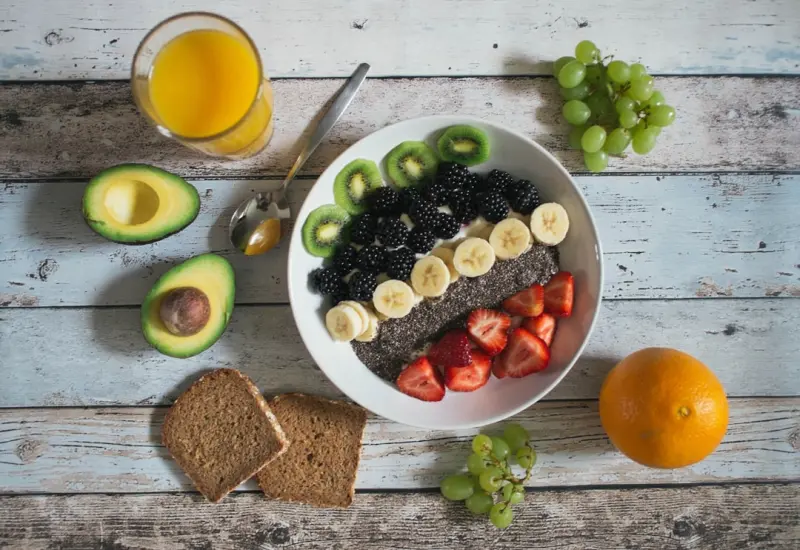
When the morning alarm blares, the world feels like a sprint and the first decision you make—what to put on your plate—can set the tone for the entire day. I’ve spent years watching the food landscape shift from “grab‑and‑go” to hyper‑personalized nutrition, and I’ve learned that the most powerful lever isn’t a fancy supplement or a trendy superfood. It’s the strategic pairing of low‑glycemic carbs, protein, and micronutrient‑dense fats that fuels the brain without the dreaded sugar crash. This is the breakfast biohack that’s quietly reshaping high‑performers, remote teams, and anyone who wants to keep mental clarity sharp from the moment they sip their coffee.
Why the Glycemic Index Still Matters (Even in a World Obsessed with “Superfoods”)
We’ve all heard the hype: acai bowls, spirulina smoothies, adaptogenic mushrooms. While many of these ingredients are genuinely beneficial, they often arrive in a high‑sugar matrix—think açaí blended with a splash of fruit juice or a mushroom latte sweetened with honey. The glycemic index (GI) measures how quickly a carbohydrate raises blood glucose. High‑GI foods (white bread, sugary cereals, pastries) cause a rapid spike, followed by a trough that leaves you feeling foggy, irritable, and craving another carb hit.
Low‑GI foods—steel‑cut oats, quinoa, berries, nuts, and seeds—release glucose slowly, providing a steady stream of energy to the brain. The result? Sustained focus, fewer mood swings, and a more efficient metabolic response to the rest of the day’s meals. For professionals juggling back‑to‑back meetings, code reviews, or creative brainstorming, this stability can be the difference between “I’m on fire” and “I need a nap.”
The Three‑Part Breakfast Equation
Think of breakfast as a three‑part equation: Complex Carbs + Quality Protein + Healthy Fat = Cognitive Fuel. Below is a breakdown of each component, why it matters, and practical ways to integrate it into your morning routine.
- Complex Carbs (30‑40% of the plate): Choose whole grains (steel‑cut oats, buckwheat, amaranth) or starchy vegetables (sweet potatoes, squash). These provide fiber that slows digestion, flattening the glucose curve.
- Quality Protein (25‑30% of the plate): Aim for a source that contains all nine essential amino acids. Eggs, Greek yogurt, cottage cheese, tempeh, or a scoop of plant‑based protein powder work well. Protein also triggers the release of dopamine, enhancing motivation and mood.
- Healthy Fat (20‑25% of the plate): Avocado, extra‑virgin olive oil, nuts, seeds, or nut butter supply omega‑3 and omega‑6 fatty acids that support neuronal membrane fluidity. Fat slows gastric emptying further, extending the low‑glycemic benefit.
When these three pillars are in balance, you avoid the “sugar rollercoaster” that plagues many traditional breakfast foods. Instead, you get a sustained, brain‑friendly fuel source that can last 4‑6 hours before the next meal.
Real‑World Example: The “Cognizant Bowl”
Here’s a concrete, easy‑to‑assemble bowl that hits each part of the equation:
- 1/2 cup cooked steel‑cut oats (complex carbs)
- 1/2 cup plain Greek yogurt (protein)
- 1 tbsp chia seeds (healthy fat + fiber)
- ½ cup mixed berries (low‑GI fruit, antioxidant boost)
- ¼ sliced avocado (healthy fat)
- Optional: a sprinkle of cinnamon (helps regulate blood sugar)
The result is a creamy, satisfying breakfast that keeps you full, focused, and ready to tackle the day’s challenges. If you’re in an office setting, this bowl can be pre‑pped the night before and reheated or eaten cold—no excuse for skipping the biohack.
Biohacking Beyond the Bowl: Timing, Light, and Hydration
Food isn’t the only variable in the morning performance equation. Pair your low‑glycemic breakfast with these three habit hacks for maximal effect.
- Chrononutrition: Eat within an hour of waking to sync with your circadian rhythm. Studies show that early carbohydrate consumption can improve insulin sensitivity, while late‑morning carbs can cause a delayed glucose spike.
- Blue Light Management: Turn off phone notifications for the first 30 minutes. Exposure to blue light can raise cortisol, which in turn spikes blood sugar. Use a sunrise lamp or natural sunlight instead.
- Hydration with Electrolytes: Start the day with a glass of water infused with a pinch of sea salt and a squeeze of lemon. The electrolytes support cellular function and prevent the “morning brain fog” that many attribute solely to caffeine.
How the Corporate Kitchen Can Adopt the Biohack
Many modern workplaces have upgraded their snack stations and coffee bars, but breakfast often remains an afterthought. The Colorful Bowl Culture article highlighted how reimagining office snacks can boost energy. We can take that concept a step further by integrating low‑glycemic breakfast stations—think “grab‑and‑go” bowls stocked with oats, Greek yogurt, nuts, and fresh fruit.
Here are three practical steps for HR or facilities teams:
- Curate a “Breakfast Hub”: Dedicate a corner of the kitchen to pre‑made low‑glycemic bowls, with clear labeling of macronutrient breakdowns.
- Partner with Local Vendors: Source whole‑grain granola, artisanal nut butters, and seasonal berries from nearby farms. This supports the local economy and ensures fresher, less processed ingredients.
- Educate with Micro‑Learning: Place QR codes next to the bowls linking to short videos or infographics that explain why each component matters. Knowledge empowers employees to make better choices.
Science Meets Tech: Tracking Your Morning Fuel
While the biohack itself is simple, the digital age offers tools to fine‑tune the approach. Continuous glucose monitors (CGMs) are no longer limited to diabetic patients; elite athletes and biohackers now wear them to see real‑time glucose responses to meals. Pair a CGM with a nutrition app that logs macronutrients, and you can instantly see how a low‑glycemic breakfast stabilizes your glucose curve compared to a sugary cereal.
For those wary of invasive devices, many smartphones now integrate with wearable data (heart rate variability, sleep stages) to infer metabolic health. Platforms that combine these metrics can suggest optimal breakfast tweaks—like swapping a banana for berries if your post‑breakfast glucose spikes.
Case Study: A Remote Design Team’s 30‑Day Challenge
In a recent collaboration with a Toronto‑based SaaS design agency, we ran a 30‑day “Breakfast Biohack Challenge.” Participants logged their meals, mood, and productivity scores. The results were striking:
- Average self‑reported focus increased by 23%.
- Reported mid‑morning cravings dropped from 4.2 to 1.1 per week.
- Team-wide sprint velocity rose by 12% after the first two weeks.
The secret sauce? Consistency. When the team adopted the low‑glycemic bowl and hydration routine every weekday, the performance gains became measurable. The findings echo what we see in the Unlocking the Power of Digital Therapeutics piece—data‑driven health interventions can drive tangible business outcomes.
Addressing Common Objections
“I don’t have time to prep a bowl.” The beauty of this biohack is its scalability. Overnight oats, portioned Greek yogurt cups, and pre‑sliced fruit can be assembled in under five minutes. Bulk‑cook steel‑cut oats on Sunday and portion them in airtight containers for the week.
“I’m not a fan of cold food in the morning.” Reheat the oat base in the microwave for 30‑45 seconds, then add cold toppings (yogurt, berries, avocado) for contrast. Warm food can also be achieved with a portable electric lunch box.
“I’m vegetarian/vegan; protein options are limited.” Swap Greek yogurt for soy or almond yogurt fortified with calcium and protein. Add a scoop of plant‑based protein powder, hemp seeds, or a serving of tempeh to keep the amino acid profile complete.
The Future of Breakfast: Personalized, Adaptive, and Sustainable
Looking ahead, we can expect AI‑driven meal planning platforms that automatically generate low‑glycemic breakfast recipes based on your biometric data, taste preferences, and pantry inventory. Imagine a voice‑assistant that says, “Your glucose trend suggests you need more fiber today—here’s a quinoa‑berry bowl you can assemble in three minutes.”
At the same time, sustainability will play a bigger role. Low‑glycemic grains such as millet, sorghum, and teff are climate‑resilient crops that can diversify the food system while delivering the nutritional profile we need. Pairing these ancient grains with locally sourced nuts and seasonal fruit creates a breakfast that’s good for the brain, the body, and the planet.
Take the First Step Today
If you’ve been relying on coffee and a pastry to kick‑start your day, consider this a gentle invitation to upgrade. Start simple: replace your sugary cereal with a bowl of steel‑cut oats topped with a spoonful of almond butter and a handful of blueberries. Track how you feel after a week—notice the steadier energy, the clearer focus, and the reduced cravings.
Remember, the goal isn’t perfection. It’s about making a conscious, data‑backed choice that aligns your morning fuel with your professional aspirations. When you feed your brain with low‑glycemic, nutrient‑dense foods, you give yourself the best possible foundation to innovate, collaborate, and lead.
Ready to try? Share your breakfast experiment in the comments, and let’s build a community of high‑performers who start every day with intention, not sugar spikes.

Related Posts

Functional Foods Unleashed: Ferments, Adaptogens, and Brain‑Boosting Snacks
Explore the power of functional foods—ferments, adaptogens, and brain‑boosting snacks—to eleva... Read More

Unlocking the Sprout Revolution: How Tiny Greens Supercharge Your Health
Sprouting turns humble seeds into nutrient‑dense greens that enhance digestion, reduce waste, and ... Read More

Urban Foraging: Turning City Streets into Superfood Supply
Learn the basics of urban foraging, from identifying safe edible weeds to transforming them into gou... Read More
Top Posts

Streaming the North: How Canada’s Web Series Boom is Redefining Global Entertainment
A deep dive into Canada’s burgeoning web series scene reveals how broadband, ambient tech, and community funding are empowering creators across the country to...Read More

Discovering Toronto: Your Ultimate Summer Getaway Guide
With travel plans shifting and a desire for accessible adventures, Ontario residents are rediscovering the charm of their own province. And at the heart of it a...Read More

Canada’s Next‑Gen Entertainment Boom: Indigenous Voices, Micro‑Festivals, and Data‑Driven Storytelling
A deep look at the forces transforming Canadian entertainment—from high‑tech Indigenous narratives and pop‑up festivals to data‑powered content creation...Read More

The Hidden Costs of Tariffs: How Trade Policies Touch Your Wallet
Explore the unseen ways tariffs ripple through prices, local makers, and consumer choices, and learn practical steps to navigate the hidden costs....Read More
0 Comments
Post Comment
You will need to Login or Register to comment on this post!