
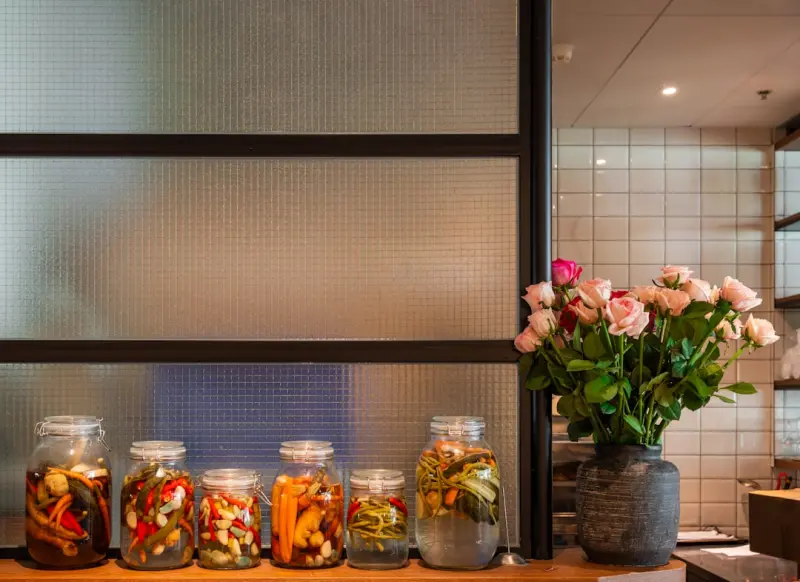
Why Fermentation Matters
When I first watched a mason‑jar of bubbling kombucha turn from cloudy to a shimmering amber, I felt a spark of curiosity that has since become a full‑blown kitchen laboratory; the simple alchemy of sugar, tea, and a symbiotic culture of bacteria and yeast is a reminder that the foods we eat can be as much medicine as they are comfort. Probiotic powerhouses like kimchi, sauerkraut, and miso have been celebrated for centuries, yet modern research now links their regular consumption to a balanced gut microbiome, improved digestion, and even a more resilient immune response—a trifecta that feels especially relevant in today’s fast‑paced, stress‑laden world. The beauty of fermentation is that it bridges tradition and science, inviting anyone with a curiosity for flavor and health to step into a process that is both tangible and transformative, turning ordinary vegetables into living, breathing ecosystems that work inside our bodies.
Scientific studies increasingly illuminate the gut‑brain axis, showing that a diverse microbial community can influence mood, cognition, and metabolic health; in essence, the microbes we nurture on our plates send biochemical signals that echo through our nervous system, modulating inflammation and neurotransmitter production. By regularly feeding these microbes with fiber‑rich, fermented foods, we create a feedback loop where beneficial bacteria flourish, outcompeting pathogenic strains and producing short‑chain fatty acids that fortify the intestinal lining, reduce systemic inflammation, and even aid in weight regulation. This nuanced relationship explains why many nutritionists now recommend a daily spoonful of fermented veg—whether it’s a tangy bite of kimchi or a crisp crunch of sauerkraut—as a cornerstone of a truly holistic diet.
Beyond the internal benefits, fermentation also offers a sustainable answer to food waste; vegetables that might otherwise wilt in the fridge become the star of a probiotic‑rich masterpiece, extending their shelf life by weeks or even months without the need for refrigeration. This low‑energy preservation method aligns with broader ecological goals, reducing reliance on plastic packaging and energy‑intensive freezing, while simultaneously enriching our meals with depth of flavor that processed foods simply cannot mimic. Embracing fermentation, therefore, becomes a small yet powerful act of stewardship—both for our bodies and the planet—making each bite a celebration of health, taste, and environmental mindfulness.
Starter Guides for Your Kitchen Lab
Choosing the right starting point can feel daunting, but the truth is that the most successful fermentations begin with just a few humble ingredients and a clear, patient mindset; for beginners, I recommend starting with cabbage for sauerkraut, carrots and radishes for kimchi, and a basic sweet tea base for kombucha, each of which requires only salt, water, and a starter culture that can be purchased or sourced from a thriving friend’s jar. The key is to maintain a consistent temperature—ideally between 65°F and 75°F—and to keep the fermenting vessel airtight yet breathable, using a fermentation lid or a simple cloth secured with a rubber band to allow gases to escape while keeping contaminants out. Patience pays off: while a few days may yield a mild tang, allowing the jar to sit for two to four weeks deepens complexity, turning simple brine into a living, aromatic ecosystem that sings with lactic acid bacteria.
When it comes to kimchi, the magic lies in layering flavors and textures; start with Napa cabbage soaked in a 2‑3 % salt solution, then rinse and mix with a paste made from Korean red pepper flakes, garlic, ginger, fish sauce (or a vegan umami substitute), and a touch of sugar to feed the microbes. Adding crunchy vegetables like daikon radish, scallions, and carrots not only boosts fiber content but also creates a multi‑dimensional bite that keeps the palate engaged throughout the fermentation period. Once mixed, press the kimchi tightly into a clean jar, ensuring no air pockets remain, seal it, and let it ferment at room temperature for three to five days before moving it to the refrigerator to slow the process and preserve its bright, spicy character.
Kombucha, on the other hand, invites a slightly different ritual; after brewing a strong black or green tea and sweetening it with cane sugar, cool the liquid to room temperature before introducing the SCOBY—a gelatinous, symbiotic colony of bacteria and yeast—and a starter tea from a previous batch to lower the pH and protect against unwanted microbes. The jar should then be covered with a breathable cloth, allowing oxygen in while keeping insects out, and placed in a dark, warm spot for seven to fourteen days, during which the SCOBY will form a new “mother” layer on the surface. Taste testing every few days lets you gauge the balance between sweetness and acidity, and once the desired tang is achieved, you can bottle the kombucha, adding fruit or herbs for a second fermentation that creates natural carbonation and a burst of flavor.
Bringing Fermented Foods Into Everyday Life
Integrating fermented delights into daily meals doesn’t require a culinary overhaul; a spoonful of sauerkraut can elevate a classic grilled cheese, while a few bites of kimchi add a fiery crunch to tacos, ramen, or even a simple avocado toast, turning ordinary dishes into probiotic‑rich experiences that delight both the palate and the gut. I love finishing my evening salads with a drizzle of kimchi juice, which adds a salty‑umami kick without extra calories, and I often toss a handful of fermented carrots into stir‑fries, letting their tang balance the richness of sesame oil and soy sauce. These small, intentional additions not only boost nutritional density but also create a habit loop where fermented foods become a natural, expected component of each meal.
Beyond the kitchen, fermented foods foster a sense of community, echoing the collaborative spirit found in local food movements; sharing starter cultures with friends, swapping jars at farmer’s markets, or hosting a “fermentation night” where neighbors bring their own experimental batches can transform a solitary hobby into a neighborhood ritual. This communal exchange mirrors the principles discussed in local food policy, where fostering connections between producers and consumers strengthens food sovereignty and encourages sustainable practices. Likewise, the rise of hyper‑local dining showcases how small‑scale, experimental kitchens are bringing fermented menus to the forefront, offering diners a taste of the living lab that resides in every mason jar on a kitchen counter.
Finally, remember that fermentation is a journey of continual learning, where each batch teaches you something new about temperature, salt ratios, and flavor development; keep a simple log of dates, temperatures, and tasting notes to track progress, and don’t be afraid to experiment with unconventional ingredients like fruit peels, beet greens, or even coffee grounds, which can yield surprising aromatic profiles and nutritional benefits. By approaching each jar with curiosity and a willingness to adapt, you’ll discover that the kitchen becomes a living laboratory—a place where science, tradition, and creativity converge, empowering you to nourish your body with foods that are as vibrant and dynamic as the microbes that inhabit them.

Related Posts
Unlocking the Sprout Revolution: How Tiny Greens Supercharge Your Health
Sprouting turns humble seeds into nutrient‑dense greens that enhance digestion, reduce waste, and ... Read More
Chrono‑Smart Eating: How Timing Your Meals Boosts Energy and Health
Learn how syncing meals with your body’s natural rhythm can skyrocket energy, balance hormones, an... Read More

Ferment Your Way to a Stronger Gut: A DIY Guide for Busy Professionals
Fermentation offers a simple, science‑backed method to add probiotics, flavor, and longevity to ev... Read More
Top Posts

Why Ontario Anglers Are Embracing Sustainable Catch‑and‑Release
Ontario anglers are shifting to sustainable catch‑and‑release, improving fish populations, boosting eco‑tourism, and fostering a deeper, mindful connectio...Read More

Redefining Prom & Graduation: DIY Glam on a Shoestring Budget
Learn how to create stunning, personalized prom and graduation looks on a shoestring budget using DIY hacks, community resources, and clever tech tricks for unf...Read More

Silencing the Digital Storm: Reclaiming Mental Space in a Hyper‑Connected World
Discover actionable techniques—from micro‑pauses and soundscapes to ergonomic workspaces and clear digital boundaries—that help you regain mental clarity ...Read More

Decoding Tariff Transparency: A Consumer’s Guide to Spotting Hidden Costs
Discover practical ways to see through hidden tariffs, leverage local alternatives, and push for transparent pricing that keeps your budget in check....Read More
0 Comments
Post Comment
You will need to Login or Register to comment on this post!