
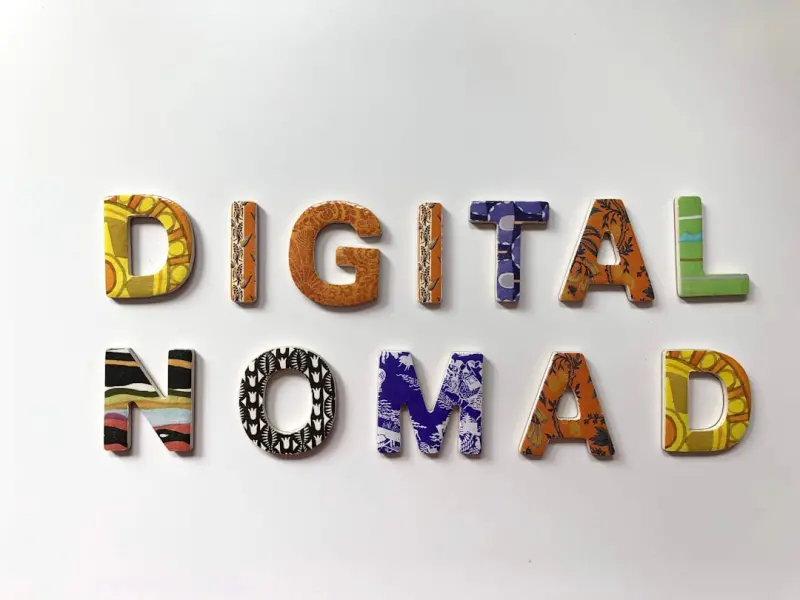
Why Digital Nomads Are the New Tourist Goldmine
When I first swapped my office chair for a co‑working desk overlooking the Mediterranean, I thought I was chasing a fleeting Instagram moment. What I discovered instead was a seismic shift in how people experience place. The modern traveler is no longer just a vacationer; they’re a remote professional who blends work, life, and exploration into a seamless rhythm. Cities that recognize and nurture this digital nomad lifestyle are reaping a steady stream of high‑spending, long‑term visitors who boost local economies far beyond the typical weekend tourist.
The Economic Ripple Effect of Remote Workers
Unlike traditional tourists who stay for a few nights and spend primarily on food and attractions, digital nomads often anchor themselves for months. They rent apartments, join local gyms, subscribe to language classes, and become part of community events. This extended stay translates into:
- Higher housing revenues: Mid‑term rentals command premium rates compared to nightly Airbnb stays.
- Steady consumption: Weekly grocery bills, local transport passes, and coworking memberships create a predictable cash flow for businesses.
- Talent infusion: Remote professionals bring diverse skill sets, sometimes collaborating with local startups and fostering innovation ecosystems.
Municipalities that have quantified these benefits report a measurable uptick in tax revenues and a reduction in seasonal employment volatility.
What Cities Are Doing Right
Across the globe, forward‑thinking cities are rolling out policies that make them irresistible to the nomad crowd. Below are the three pillars most successful destinations are building on.
1. Streamlined Visa Programs
Countries such as Estonia, Barbados, and Mexico have introduced digital‑nomad visas that grant stays of six months to a year with minimal bureaucracy. The key features include:
- Simple online applications that verify income thresholds rather than demanding a local sponsor.
- Tax incentives or clear guidance on tax obligations for remote workers.
- Access to public services like health insurance and banking without the need for permanent residency.
When a city eliminates red tape, it signals openness—a trait that resonates deeply with the independent mindset of nomads.
2. Infrastructure That Marries Work and Play
Reliable high‑speed internet is non‑negotiable. But beyond bandwidth, the best locales bundle a suite of amenities:
- Co‑working spaces that double as community hubs, offering networking events, mentorship programs, and even child‑care services.
- Public transportation that connects residential neighborhoods to cultural districts, beaches, and hiking trails.
- Eco‑friendly mobility options—e‑bikes, scooters, and electric car‑share fleets—that let professionals explore without a car.
When work‑life integration is built into the city’s DNA, remote professionals feel less like guests and more like locals.
3. Authentic Community Engagement
Digital nomads crave immersion. Cities that facilitate authentic interactions—through language exchanges, local festivals, volunteer opportunities, and culinary workshops—create a magnetic pull. These experiences also align with the broader Regenerative Travel movement, where visitors leave a positive imprint on the host community.
Data‑Driven Strategies: Learning From Marketing Playbooks
At first glance, attracting remote workers might seem like a niche tourism effort, but the tactics mirror high‑impact marketing. By analyzing real‑time signals—search trends, social media mentions, and inbound flight data—cities can tailor their outreach with surgical precision. The methodology is similar to the approach outlined in Turning Real‑Time Signals into Marketing Gold, where data becomes a compass for growth.
For instance, a spike in Google searches for “long‑term coworking in Lisbon” can trigger a targeted ad campaign showcasing affordable apartment bundles and visa information. Simultaneously, social listening tools can identify pain points—like unreliable Wi‑Fi in certain districts—prompting municipal upgrades before competitors capitalize on the gap.
Case Study: The Rise of a Mid‑Size Coastal City
Consider the Mediterranean town of Portovista (a fictional stand‑in for many real‑world examples). Ten years ago, it was a sleepy fishing village with a seasonal tourism peak. Today, it hosts a thriving community of 4,000 remote workers from over 30 countries. How did it get there?
- Visa Incentive: The national government introduced a “Creative Professional Visa” that required a modest monthly income and proof of remote employment. Portovista promoted this through bilingual landing pages and webinars.
- Co‑Working Cluster: The town repurposed three abandoned warehouses into a co‑working campus complete with rooftop gardens, a library of local literature, and a weekly “Ask a Local” forum.
- Mobility Upgrade: Partnering with an e‑bike startup, the municipality installed 150 e‑bike stations, making the 5‑km shoreline promenade a commuter corridor.
- Community Integration: Monthly “Cultural Immersion Nights” paired nomads with artisans for pottery, cooking, and traditional dance lessons, fostering genuine relationships.
The outcomes were striking: a 45% increase in average length of stay, a 30% rise in local retail sales, and a noticeable boost in property values—benefiting both long‑term residents and newcomers.
Potential Pitfalls and How to Avoid Them
While the digital nomad boom offers a lucrative opportunity, missteps can damage a city’s reputation.
- Housing Inflation: An unchecked influx can drive up rents, displacing locals. Mitigation strategies include setting aside a percentage of new development for affordable housing and imposing short‑term rental caps.
- Infrastructure Strain: Overloaded internet networks and public transport can frustrate both residents and visitors. Proactive investment, guided by predictive analytics, helps stay ahead of demand.
- Cultural Dilution: If the focus becomes solely on catering to foreign workers, local traditions may be sidelined. Continuous community dialogue ensures that development remains inclusive.
Future Trends Shaping the Nomad Landscape
Looking ahead, several forces will refine how cities attract and retain remote talent.
Hybrid Work Policies
Even as companies return to office spaces, many adopt hybrid models, granting employees flexibility to work from anywhere a few days a week. This creates a steady, predictable flow of nomads rather than a single massive surge.
Wellness‑Centric Offerings
Beyond Wi‑Fi, remote workers are increasingly valuing mental and physical health resources. Cities that integrate wellness hubs—think yoga studios, meditation gardens, and access to nature trails—gain a competitive edge.
AI‑Powered Personalization
Imagine a city portal that, after a simple questionnaire, curates a personalized “stay plan” including housing options, coworking memberships, language classes, and local events. AI can match supply with demand in real time, reducing friction for both the visitor and the city’s service providers.
Actionable Checklist for City Leaders
Ready to position your city as the next digital nomad magnet? Use this concise checklist:
- Assess Current Infrastructure: Conduct a broadband speed audit, evaluate coworking capacity, and map mobility options.
- Design a Visa Framework: Partner with national immigration agencies to create a streamlined, income‑based visa track.
- Develop a Data Dashboard: Pull real‑time travel intent data, monitor social sentiment, and track occupancy rates.
- Launch a Targeted Campaign: Use insights from the dashboard to craft localized ad copy, landing pages, and webinars.
- Build Community Bridges: Sponsor cultural exchanges, volunteer programs, and skill‑sharing workshops.
- Monitor Impact: Track metrics such as average length of stay, local spend per nomad, and housing affordability indices.
Conclusion: A Win‑Win for Cities and Travelers
The digital nomad phenomenon isn’t a fleeting trend; it’s a redefinition of tourism that blends economic vitality with cultural exchange. By adopting smart visa policies, investing in resilient infrastructure, and fostering authentic community connections, cities can capture this high‑value segment while enriching the lives of their own residents. The future belongs to those who see remote workers not as temporary guests, but as long‑term partners in the urban narrative.

Related Posts

Travel Light, Travel Far: Mastering the Capsule Wardrobe for Global Explorers
A practical guide to building a versatile capsule wardrobe that reduces luggage weight, cuts costs, ... Read More

The Rise of Purpose‑Driven Micro‑Escapes: Redefining Travel in a Connected World
Purpose‑driven micro‑escapes are short, intentional journeys that combine personal meaning, comm... Read More

Regenerative Travel: Turning Vacations into Restoration Projects
Regenerative travel redefines tourism by turning each journey into a chance to heal the planet and u... Read More
Top Posts
The Flavors of Rural America: A Culinary Journey Through the Heartland
Explore the flavors of rural America, from farm-to-table produce to artisanal cheeses and craft beers. Join Tracie Higgins on a culinary journey through the hea...Read More
The Unseen Struggle: Rural Health Disparities and the Need for Change
Rural health disparities are a pressing concern in America. Discover the root causes and potential solutions to address these disparities and ensure quality hea...Read More

Deal Radar: A Data‑Driven Playbook for Capturing SaaS Savings
Discover a step‑by‑step playbook that turns deal hunting into a predictable process, leveraging market benchmarks, timing tactics, and automation to maximiz...Read More
From Hook to Hearth: Cooking Ontario’s Freshwater Catch
Explore the art of cooking Ontario’s freshwater fish, from sustainable harvesting to campfire recipes, and learn how to create memorable meals that honor the ...Read More
0 Comments
Post Comment
You will need to Login or Register to comment on this post!