
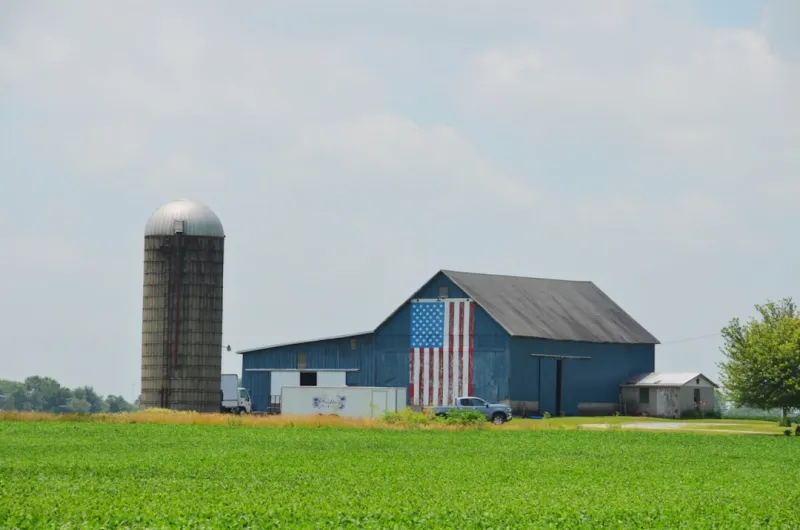
The Flavors of Rural America: A Culinary Journey Through the Heartland
As I sit here, sipping on a warm cup of coffee made from beans grown on a local farm, I am reminded of the rich culinary heritage of rural America. Growing up in a small town surrounded by rolling hills and vast fields, I was spoiled with an abundance of fresh produce, meats, and dairy products. My love for food was nurtured by my grandmother, who would spend hours in the kitchen, cooking up a storm with ingredients sourced from our very own backyard. In this article, I will take you on a culinary journey through the heartland of rural America, highlighting the unique flavors, traditions, and challenges that shape the way we eat.
The Roots of Rural Cuisine
Rural cuisine is deeply rooted in tradition and community. It's about using what's locally available, preserving food for the winter months, and sharing meals with family and friends. I remember summers spent helping my grandmother can vegetables, fruits, and meats, which would be enjoyed throughout the year. This approach to food not only ensured a steady supply of nutritious meals but also fostered a sense of connection to the land and our community. As I traveled across rural America, I discovered that this tradition is still alive and well. From the farm-to-table movement to the resurgence of rural farmers' markets, people are rediscovering the joys of cooking with locally sourced ingredients.
The Challenges of Rural Food Systems
However, rural food systems also face significant challenges. Many rural areas are considered food deserts, with limited access to grocery stores, restaurants, and other food retailers. This can lead to a reliance on processed and packaged foods, which are often less healthy and less flavorful than their locally sourced counterparts. As I wrote in my article on rural health disparities, addressing these food system challenges is crucial to improving the overall health and well-being of rural communities.
Preserving Rural Food Traditions
Despite these challenges, rural America is home to a thriving food culture. From traditional Southern comfort food to hearty Midwestern farm food, each region has its unique flavors and specialties. I had the pleasure of visiting a small town in Iowa, where I discovered a family-owned restaurant serving up delicious farm-to-table meals. The owner, a third-generation farmer, shared with me the importance of preserving rural food traditions and supporting local agriculture. As I explored the menu, I noticed that many of the dishes featured locally sourced ingredients, including fresh produce, meats, and dairy products. This approach not only ensured that the food was fresh and flavorful but also helped to support the local economy.
Rural Food and Community
One of the most significant aspects of rural food culture is the role it plays in community building. Food has a way of bringing people together, whether it's a family dinner, a church potluck, or a community festival. I recall attending a rural food festival in Nebraska, where local farmers, food vendors, and community members came together to celebrate the harvest season. The event was a testament to the power of food to unite people and create a sense of belonging. As I wrote in my article on the resurgence of rural America, community-driven initiatives like these are crucial to revitalizing rural areas and promoting sustainable growth.
The Economic Impact of Rural Food Systems
Rural food systems also have a significant economic impact on local communities. By supporting local farmers and food producers, rural residents can help keep money within the community, creating jobs and stimulating economic growth. As I explored the town of Greenville, I discovered a thriving downtown area filled with locally owned shops, restaurants, and cafes. The town's commitment to supporting local businesses was evident in the abundance of farm-to-table restaurants and specialty food stores. This approach not only helped to preserve the town's unique character but also contributed to its economic vitality.
Conclusion
As I conclude my culinary journey through the heartland of rural America, I am reminded of the importance of preserving rural food traditions, supporting local agriculture, and promoting community-driven initiatives. By working together to address the challenges facing rural food systems, we can help ensure that rural America continues to thrive. Whether you're a foodie, a rural resident, or simply someone who appreciates the beauty of the countryside, I encourage you to explore the flavors of rural America and support the people who make it all possible. And for those looking to live a more affordable lifestyle, I recommend checking out my article on rural living on a budget for some valuable tips and advice.
Additional Resources
If you're interested in learning more about rural food systems, I recommend checking out the following resources:
- The United States Department of Agriculture (USDA) - A wealth of information on rural food systems, local agriculture, and community development.
- The Rural Food Systems Initiative - A program aimed at improving access to healthy food in rural areas.
- The Farmers Market Coalition - A national organization dedicated to supporting and promoting farmers' markets.
By supporting local farmers, food producers, and community-driven initiatives, we can help create a more sustainable and equitable food system that benefits everyone. As we move forward, it's essential to prioritize the needs of rural communities and work towards creating a more just and resilient food system.
The Future of Rural Food Systems
As we look to the future, it's clear that rural food systems will play a critical role in shaping the way we eat and live. By embracing local food traditions, supporting local agriculture, and promoting community-driven initiatives, we can help create a more sustainable and equitable food system that benefits everyone. Whether you're a rural resident, a foodie, or simply someone who cares about the future of our planet, I encourage you to join the conversation and get involved in the effort to preserve and promote rural food systems.

Related Posts

The Buzz About Energy Drinks: Understanding the Risks for Teens
In recent years, the energy drink market has experienced a phenomenal surge, fueled by clever market... Read More

Zero‑Waste Kitchen Hacks That Are Changing How We Dine
Discover how fermentation, smart tech, and simple home hacks are turning kitchen scraps into culinar... Read More

Urban Foraging & Zero‑Waste Drinks: A Fresh Take on Food & Drink
Explore how to turn city wild greens, kitchen scraps, and local herbs into delicious meals and drink... Read More
Top Posts

Hybrid Sea‑Land Adventures: Rethinking Cruises & Bus Tours
Explore the rise of hybrid sea‑land travel, where cruises partner with bus tours for seamless, sustainable adventures, complete with budgeting hacks and futur...Read More

Beyond Taste: Restaurants Craft Immersive Experiences
Megan Morris explores the surge of immersive dining, where restaurants blend ambiance, aroma, sound, and cutting‑edge tech to turn a simple meal into a memora...Read More

Hybrid Cruise‑Bus Tours: The Seamless Blend Redefining Modern Travel
Explore the rise of hybrid cruise‑bus tours that merge sea‑side luxury with authentic land excursions, offering seamless, eco‑friendly travel adventures....Read More

The Real Cost of Convenience: When Time‑Saving Services Add Up
Explore the hidden financial toll of subscription services, food delivery, ride‑shares, and more, and find practical steps to regain control of your budget....Read More
0 Comments
Post Comment
You will need to Login or Register to comment on this post!