

Why Breath Matters in a Hyper‑Connected World
In the swirl of notifications, endless Zoom calls, and the relentless pressure to “do more,” many of us have forgotten that the most powerful tool for resilience sits literally at the center of our bodies, waiting for a moment of attention; the simple act of breathing, when done consciously, can reset the nervous system, lower cortisol, and create a pocket of calm that feels almost revolutionary amid the chaos. Mindful breathing is not a new-age gimmick but a physiological antidote, rooted in the ancient practices of yoga and modern neuroscience, that can bridge the gap between frantic productivity and sustainable well‑being, offering a portable sanctuary that fits in the palm of a hand and the span of a single exhale. By treating each inhale as an invitation to oxygenate cells and each exhale as an invitation to release tension, we begin to rewrite our internal narrative, shifting from a default mode of stress reactivity to a cultivated rhythm of intentional presence.
The Science Behind the Breath
When we deliberately slow our breathing to about six breaths per minute, we activate the parasympathetic branch of the autonomic nervous system, which triggers the vagus nerve to release acetylcholine, a neurotransmitter that promotes relaxation, reduces heart rate, and improves heart‑rate variability—a key marker of cardiovascular health and emotional regulation; studies published in journals such as Psychophysiology reveal that this practice can lower blood pressure by up to 10 mm Hg after just a few weeks of consistent training. Moreover, the diaphragm’s gentle movement during deep breathing increases the exchange of oxygen and carbon dioxide at the alveolar level, enhancing the brain’s supply of oxygenated blood, which supports cognitive clarity, memory consolidation, and even the production of brain‑derived neurotrophic factor (BDNF), a protein essential for neural growth and mood stability. These cascading effects illustrate why breathwork is being embraced not only by athletes and performers but also by clinicians seeking non‑pharmacological strategies for anxiety, depression, and chronic pain management.
Simple Box Breathing Method for Immediate Relief
One of the most accessible techniques, often employed by elite pilots and first‑responders, is box breathing—a four‑step pattern that balances inhalation, retention, exhalation, and pause, each lasting an equal count; to begin, inhale quietly through the nose for a count of four, feel the lungs expand while the chest rises, then hold that breath for another four counts, allowing the oxygen to circulate fully before gently exhaling through the mouth for four counts, and finally pause again for four counts before repeating the cycle. This rhythmic structure can be performed seated at a desk, standing in a kitchen line, or even while waiting for a train, making it an adaptable tool for busy lives; the repeated intervals train the brain to anticipate and regulate breath, fostering a sense of predictability that counteracts the unpredictable nature of stress triggers. For those who prefer visual cues, imagine tracing a square on a piece of paper, moving your finger along each side as you count, thereby anchoring attention both mentally and physically.
Embedding Breathwork into a Busy Day
Integrating breath practice into daily routines need not require a dedicated hour; instead, we can weave short “micro‑breath” sessions into natural pauses—after answering an email, before a meeting, or even during a bathroom break—turning otherwise idle moments into opportunities for reset; setting a subtle phone reminder with a gentle vibration can prompt a three‑minute box breathing round, and over time these micro‑interventions accumulate, creating a cumulative effect akin to a “compound interest” of calm that enhances overall mood, focus, and immune function. Additionally, pairing breathwork with other habit‑stacking strategies, such as sipping a glass of water or stretching, reinforces neural pathways, making the practice more automatic and less reliant on willpower; the key is consistency, not intensity, as research indicates that even five minutes of daily diaphragmatic breathing can improve sleep quality, reduce perceived stress, and sharpen attention span.
My Personal Journey: From Breathless to Breath‑Full
As someone who once measured productivity by the number of tasks checked off before lunch, I found myself spiraling into chronic tension, with shoulders perpetually hunched and a mind that never seemed to switch off; it wasn’t until a weekend retreat in the Adirondacks, where a seasoned instructor introduced me to the simplicity of box breathing, that I realized my body had been screaming for a pause it never received, and that a few conscious breaths could dissolve the knot that had tightened over years of multitasking. I began experimenting, setting a timer for three minutes each morning, and soon noticed that my coffee jitters faded, my afternoon slump lessened, and my interactions with colleagues grew calmer, as if an invisible shield of steadiness had been erected around me; this transformation sparked a deeper curiosity about the intersection of breath, mental health, and community wellness, leading me to explore how small, intentional practices could ripple outward, influencing not just individual health but also the collective resilience of the neighborhoods we call home.
Community and Rural Health Connections
In many remote Canadian towns, access to mental‑health professionals can be limited, yet the desire for holistic tools remains strong, and this is where breathwork can serve as a bridge between self‑care and community‑driven health initiatives; for example, the rise of pharmacist‑led clinics in rural areas has opened doors to collaborative wellness programs that incorporate mindfulness and breathing exercises alongside medication management, creating a more integrated model of care. By partnering with these clinics, local groups can host free breath workshops, offering residents a low‑cost, evidence‑based strategy to combat stress, improve sleep, and support chronic disease management, echoing the collaborative spirit highlighted in Pharmacist‑Led Clinics: A Rural Health Revolution in Canada. Such initiatives not only empower individuals to take charge of their physiological health but also foster a sense of shared responsibility, reinforcing the social fabric that sustains mental and physical well‑being across dispersed communities.
Experimenting with Breath for Better Living
Just as businesses use micro‑experiments to refine products, we can apply the same principle to personal health, treating each breath practice as a small, measurable trial that informs what works best for our unique physiology and lifestyle; by tracking variables such as heart‑rate variability, mood ratings, or sleep latency before and after a week of consistent box breathing, we generate data that guides adjustments, whether that means extending the inhale to six counts, adding a gratitude visualization, or pairing breath with gentle movement. This iterative approach mirrors the concepts explored in Micro‑Experiments: The Secret Engine Driving Modern Business Growth, emphasizing that incremental, evidence‑based tweaks can lead to substantial, lasting improvements in health outcomes, and encourages a mindset of curiosity rather than perfection, reducing the pressure to “get it right” on the first try.
Common Myths and Safety Tips
Despite its simplicity, breathwork is sometimes shrouded in misconceptions, such as the belief that hyper‑ventilating during exercises can cause dizziness or that breath control is only for spiritual seekers; in reality, when practiced mindfully and within comfortable limits, breathing techniques are safe for most individuals, though those with specific respiratory conditions like severe asthma or COPD should consult a healthcare provider before embarking on new regimens, and it’s advisable to avoid intense breath retention while driving or operating machinery. Additionally, beginners may feel light‑headed during early sessions, a normal response to increased oxygen exchange, which typically resolves within minutes; staying seated, keeping eyes open, and gradually extending hold times can mitigate discomfort, ensuring that the practice remains a nurturing, not stressful, experience.
Your Next Breath: A Call to Action
If you’ve ever felt the weight of relentless demands pressing on your chest, consider gifting yourself the simplest, most portable tool at your disposal: a conscious breath; start with one three‑minute box breathing session today, observe how your mind settles, and notice the subtle shift in your body’s tension, then commit to adding two more micro‑sessions over the next week, using a journal or a phone app to record any changes in mood, focus, or sleep quality; by treating each breath as a deliberate act of self‑compassion, you join a growing movement of individuals who prioritize physiological balance, proving that even in a fast‑paced world, the power to reset resides within each inhale and exhale, waiting patiently for you to claim it.

Related Posts
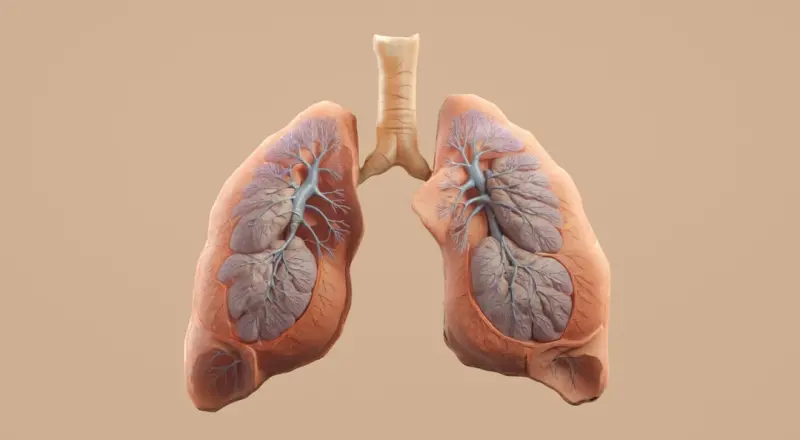
Breathing Into Better Health: A Practical Guide to Everyday Breathwork
Explore the science behind breathwork and learn practical techniques that fit seamlessly into your d... Read More

Reclaiming Calm: How Ambient Tech Quietly Transforms Sleep and Stress
A deep dive into how ambient lighting, sound, temperature, and gentle vibration can rewire our sleep... Read More
Unlocking Rest: How Smart Environments Are Rewriting Sleep Science
A deep dive into the emerging sleep ecosystem, covering smart bedroom tech, personalized wearable fe... Read More
Top Posts

Carbon Farming in Canada: Turning Soil Health into Revenue Streams
Canadian growers are now converting healthy soil into a profitable asset. This post dives into carbon farming, the science, policy incentives, technology tools,...Read More

The Subscription Economy’s Hidden Impact on Your Wallet
An in‑depth look at how the rise of subscriptions—from streaming services to software—adds up, why it matters for your cost of living, and practical steps...Read More

Smart Ways to Save on Prom and Graduation Expenses
Learn how to save money on prom and graduation expenses with our expert tips. From budgeting and cutting costs to managing financial stress, we've got you cover...Read More
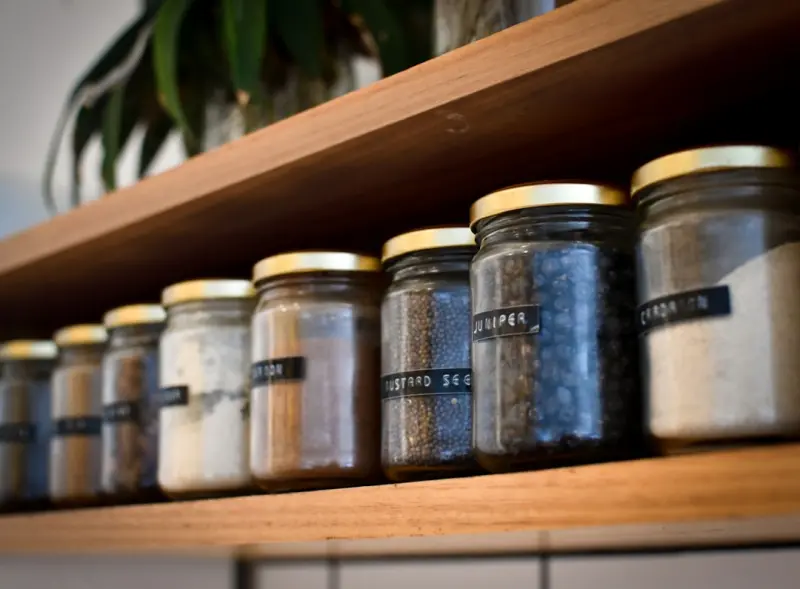
Seasonal Pantry Mastery: Building a Nutrient‑Dense Kitchen for Peak Performance
Discover a step‑by‑step approach to building a seasonal pantry that supports steady energy, mental clarity, and overall health, using preservation methods, ...Read More
0 Comments
Post Comment
You will need to Login or Register to comment on this post!