
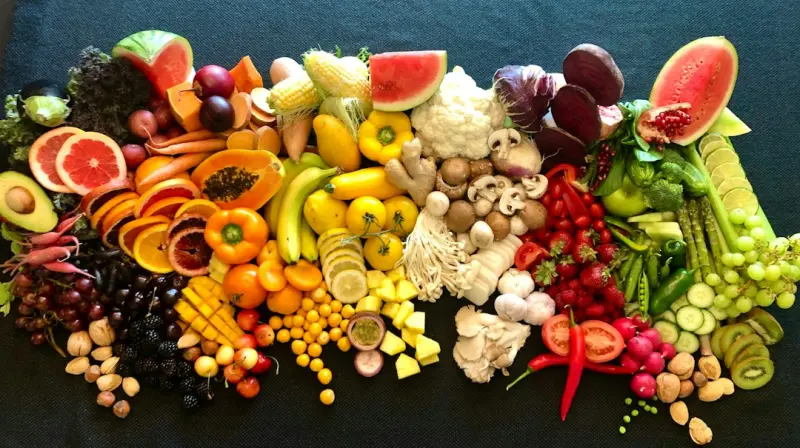
Why Eating the Rainbow Is More Than Just A Trend
When I first started experimenting with my meals, I thought the phrase “eat the rainbow” was a catchy slogan for Instagram. Fast‑forward a few months, and I’ve discovered that those vibrant plates are actually a powerful, science‑backed strategy for sharpening focus, stabilizing mood, and fueling everyday resilience. As someone who juggles client meetings, project deadlines, and a weekend farmer’s market run, I’ve learned that the colors on my plate do more than please the eye—they orchestrate a symphony of nutrients that talk directly to my brain and gut.
The Science Behind Color: What Your Plate Is Whispering to Your Body
Each hue corresponds to a unique family of phytochemicals—nature’s own biochemical toolkit. Red foods like tomatoes and beets are rich in lycopene, a potent antioxidant that supports cellular repair. Orange and yellow vegetables, such as carrots and squash, are loaded with beta‑carotene, a precursor to vitamin A that’s essential for eye health and immune function. Green powerhouses—spinach, kale, broccoli—contain chlorophyll, lutein, and a suite of B‑vitamins that aid in energy metabolism. Purple and blue foods, like blueberries and eggplant, bring anthocyanins to the table, which have been linked to improved memory and reduced inflammation.
When you combine these colors in a single meal, you’re essentially creating a multi‑layered defense system. The antioxidants work synergistically, neutralizing free radicals more effectively than any single nutrient could on its own. This synergy is why a rainbow plate can feel like a “superfood shield” against the daily stressors that threaten our mental clarity.
From Desk to Dinner: A Practical Guide to Building Colorful Meals
Below is a simple framework I use to guarantee I’m hitting every color group without spending hours in the kitchen:
- Start with a base of greens: A handful of arugula or mixed baby greens sets the stage for fiber and micronutrients.
- Add a splash of red: Toss in cherry tomatoes, diced red bell pepper, or a few slices of roasted beet for that lycopene boost.
- Introduce orange or yellow: Grated carrot, roasted sweet potato, or golden corn kernels bring beta‑carotene and a subtle sweetness.
- Finish with purple/blue: A scattering of blueberries, blackberries, or a drizzle of purple cabbage slaw adds anthocyanins and a pop of flavor.
- Protein and healthy fats: Top everything with grilled salmon, chickpeas, or a handful of walnuts to keep you satiated and support nutrient absorption.
The beauty of this method is its flexibility. Swap out seasonal produce, experiment with different textures, and you’ll never feel trapped by “the same old salad.” The result is a plate that looks as exciting as a painter’s palette—and tastes just as rewarding.
Mindful Eating: Why Color Matters for Your Mood
Beyond the biochemical benefits, color influences our psychology. Studies in environmental psychology reveal that bright, varied colors can stimulate positive emotions and even increase appetite in a healthy way. When I sit down to a monochrome meal, I notice a dip in enthusiasm after the first bite. In contrast, a kaleidoscopic bowl feels like a celebration, prompting me to eat more mindfully and savor each bite.
One practical tip is to slow down and name each color as you eat. I call it “colorful chewing.” It forces you to focus on texture, flavor, and the sensations each food provides, which can reduce mindless snacking and improve digestion. Over time, this practice can become a form of meditation—a brief pause that resets your nervous system and prepares you for the tasks ahead.
Seasonal Swaps: Keeping the Rainbow Fresh All Year
Living in a climate with distinct seasons means that the availability of certain colors shifts throughout the year. Instead of seeing this as a limitation, I view it as an opportunity to explore new varieties and keep my meals interesting.
During the colder months, root vegetables like parsnips (orange) and red cabbage (purple) become staples. In the summer, you can lean into juicy strawberries (red) and corn (yellow). By aligning your grocery list with seasonal produce, you not only support local farmers but also capture peak nutrient density—because foods harvested at their prime contain higher concentrations of vitamins and phytochemicals.
If you ever feel stuck, Flavor Frontiers: How Urban Kitchens Are Redefining Everyday Meals offers creative ways to remix classic dishes with seasonal twists, ensuring your rainbow never loses its luster.
Boosting Brainpower With Colorful Snacks
Between meetings and brainstorming sessions, I often reach for snacks that keep my energy steady without the crash. Here are three my‑go‑to options that pack a colorful punch:
- Blueberry‑Walnut Yogurt Parfait: Layer Greek yogurt with fresh blueberries, a drizzle of honey, and a sprinkle of chopped walnuts. The blueberries (blue) supply anthocyanins, while walnuts (green in the sense of chlorophyll content) deliver omega‑3 fatty acids for brain health.
- Roasted Red Pepper Hummus with Carrot Sticks: Blend roasted red peppers, chickpeas, tahini, and lemon for a dip that’s both vibrant and protein‑rich. Pair with carrot sticks (orange) for beta‑carotene and crunch.
- Beet‑Kale Smoothie: Blend cooked beets, kale, a banana, and a splash of almond milk. The deep red of beets combined with the green of kale creates a nutrient‑dense drink that supports circulation and detoxification.
These snacks not only satisfy cravings but also reinforce the habit of reaching for colorful, nutrient‑dense foods throughout the day.
Cooking Techniques That Preserve Color and Nutrients
Overcooking is the silent villain that bleaches both the visual appeal and nutritional value of vegetables. To keep colors vivid—and nutrients intact—consider these methods:
- Steaming: Gentle steam retains up to 90% of water‑soluble vitamins, especially in green veggies.
- Sautéing with a splash of acid: A quick toss in olive oil with a squeeze of lemon or a dash of vinegar brightens colors and enhances iron absorption from leafy greens.
- Roasting at high heat for short periods: This caramelizes natural sugars, intensifying flavors while preserving antioxidants in root vegetables.
Remember, a dash of seasoning—think turmeric (golden yellow) or smoked paprika (deep red)—adds both color and anti‑inflammatory compounds, turning ordinary dishes into functional meals.
Mindful Pairings: Matching Colors With Lifestyle Goals
Not all colorful meals serve the same purpose. If you’re training for a marathon, you might prioritize orange and yellow foods for quick, easily digestible carbs. If you’re battling a mid‑day slump, purple and blue foods can help stabilize blood sugar and lift mood. Here’s a quick reference guide:
- Energy Boost: Sweet potatoes, mango, corn.
- Focus & Memory: Blueberries, blackberries, leafy greens.
- Immune Support: Red peppers, tomatoes, beets.
- Stress Relief: Purple cabbage, grapes, nuts (green in the sense of chlorophyll content).
By aligning your color choices with your personal objectives, you turn every meal into a strategic tool rather than a passive habit.
Pairing Food With Drink: A Colorful Approach to Hydration
Just as we consider the color of solid foods, beverages can also contribute to our rainbow diet. Infused water with citrus slices (yellow), cucumber (green), or berries (red/blue) offers a refreshing way to stay hydrated while adding subtle antioxidants. For those special occasions, I love exploring creative cocktails that are both delicious and environmentally conscious. Sip Sustainably: The Emerging Art of Climate‑Smart Cocktails provides inspiration for mixing drinks that celebrate color without compromising sustainability.
Putting It All Together: My Weekly Rainbow Blueprint
To make the rainbow a habit rather than a novelty, I map out my meals each Sunday. Below is a simplified version of my weekly plan:
- Monday: Quinoa bowl with kale, roasted red pepper, orange carrots, and a sprinkle of pumpkin seeds.
- Tuesday: Grilled salmon with beet‑apple slaw (red & green) and a side of sweet potato wedges.
- Wednesday: Stir‑fry with tofu, broccoli, yellow bell pepper, and purple cabbage, served over brown rice.
- Thursday: Lentil soup with diced tomatoes, turmeric (golden), and a side of mixed berry salad.
- Friday: Zucchini noodles topped with pesto (green), cherry tomatoes (red), and toasted pine nuts.
- Saturday: Breakfast parfait with Greek yogurt, blueberries, sliced banana (yellow), and granola.
- Sunday: Roasted vegetable medley (carrots, parsnips, beets) with a drizzle of lemon‑herb dressing.
This structure ensures that each day includes at least three different colors, keeping my nutrient intake balanced and my palate excited.
Final Thoughts: The Rainbow Isn’t Just A Trend—It’s A Lifestyle
Adopting a colorful eating pattern has transformed how I approach both work and leisure. The vivid plates energize my mind, stabilize my mood, and provide a steady stream of essential nutrients. More importantly, they remind me that food is a celebration, not a chore. By embracing the rainbow, you’re not only investing in your health—you’re honoring the natural artistry of the foods that sustain us.
So the next time you’re standing in front of the grocery aisle, let the colors guide you. Pick the bright, the bold, the beautiful—and watch how a simple shift in hue can illuminate every aspect of your day.

Related Posts

Seasonal Foraging: The Hidden Powerhouse for Modern Nutrition
Explore the health benefits of seasonal foraging, learn practical tips for beginners, and see how wi... Read More

Unlocking the Hidden Synergy of Food Pairings for Peak Vitality
Explore the science of nutrient synergy and learn practical food pairings that enhance absorption, r... Read More
Beyond Meat: Exploring Unconventional Plant Proteins for Everyday Nutrition
Uncover the hidden power of lupin, hemp, and pea proteins to boost nutrition, delight your palate, a... Read More
Top Posts

The 2025 Global Peace Index: Canada's Position and the Stark Divide with the United States
Every year, the Institute for Economics and Peace (IEP) releases its Global Peace Index (GPI), a meticulously researched report that assesses the state of peace...Read More

Legal Strategies for Thriving in the Remote‑Work Era
Explore how to build a bulletproof remote‑work policy, manage cross‑border teams, and future‑proof your legal framework in today’s dispersed work enviro...Read More

Hyper‑Personalized Storytelling: The Secret Weapon Modern Marketers Need
Explore the rise of hyper‑personalized storytelling in marketing, how data, AI, and frontline insights create dynamic narratives that boost engagement and loy...Read More

How Emerging Tariff Trends Are Reshaping Global Commerce
A fresh look at the latest tariff shifts reveals hidden opportunities and challenges for businesses of all sizes, with actionable tips to navigate the evolving ...Read More
0 Comments
Post Comment
You will need to Login or Register to comment on this post!