

Why the Cocktail Scene Needs a Climate Conscience
When I first started shaking drinks in my cramped downtown apartment, the only thing on my mind was the perfect balance of bitter, sweet, and sour. Fast‑forward a few years, and I find myself obsessing over carbon footprints, regenerative agriculture, and the hidden emissions that linger in every bottle of gin I pour. The world of mixology is undergoing a quiet revolution: bartenders, brands, and home enthusiasts are re‑thinking every ingredient, every method, and every garnish through the lens of sustainability.
From Farm to Flask: Rethinking Spirits
Most of us think of a spirit’s “origin” as a simple geographic label—think “Scotch” or “Mexican tequila.” In reality, the production of alcohol is a resource‑intensive process that can either exacerbate climate change or help mitigate it.
- Water stewardship: Distilling a single liter of vodka can require up to 600 liters of water. Forward‑thinking distilleries are now installing closed‑loop water systems that recycle and treat wastewater, dramatically cutting their draw on local aquifers.
- Renewable energy: Some boutique gin houses have swapped coal‑fired boilers for solar‑powered stills, slashing emissions by up to 70 % per batch.
- Carbon‑negative grains: A new wave of organic barley and rye, grown in regenerative soils that sequester carbon, is making its way into craft whiskies, turning a traditionally carbon‑heavy ingredient into a climate‑positive asset.
Choosing spirits that prioritize these practices isn’t just a feel‑good gesture; it’s a tangible way to reduce the carbon intensity of every cocktail you serve.
Botanical Sourcing: The Wild Side of Mixology
Herbal liqueurs and infused syrups have become the darling of modern bars, but the rush for exotic botanicals has sparked concerns about overharvesting and biodiversity loss. Here’s how a climate‑smart bar can navigate the botanical jungle responsibly:
- Local foraging: Many classic cocktail flavors—think juniper, mint, rosemary, or even dandelion greens—grow abundantly in temperate zones. Partnering with local foragers or community gardens ensures you’re using plants that didn’t travel thousands of miles to your bar.
- Cultivated substitutes: Instead of importing rare spices, consider cultivating them in small‑scale indoor farms. Hydroponic basil or vertical farms for citrus zest can provide fresh, pesticide‑free ingredients year‑round.
- Ethical imports: When you do need exotic ingredients, look for certifications such as FairWild or Rainforest Alliance, which guarantee that harvesters are paid fairly and that the ecosystem remains intact.
These strategies not only shrink your carbon footprint but also add a story to each drink—a narrative that modern consumers crave.
Zero‑Waste Mixology: Turning Scraps into Stars
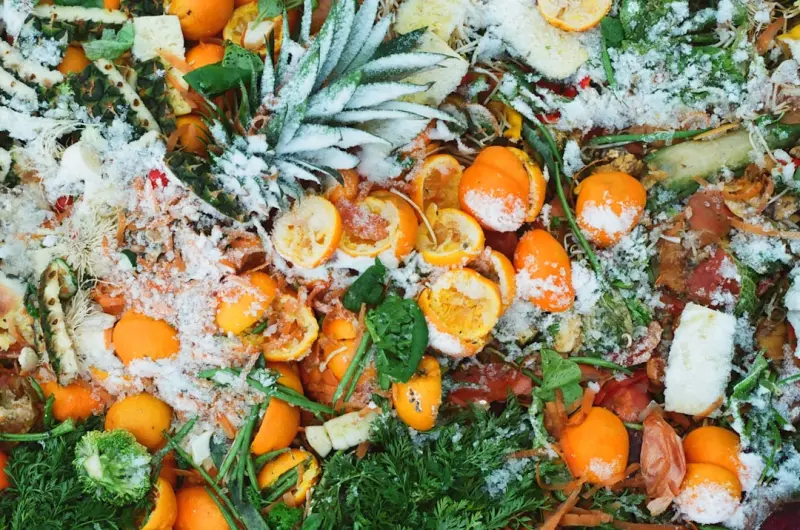
Every cocktail leaves a trail of leftovers: citrus peels, herb stems, spent coffee grounds, even the water you use to rinse shakers. Instead of consigning these to the trash, top‑tier mixologists are turning waste into flavor.
- Citrus oil sprays: Capture the essential oils from orange or lemon peels using a simple cold‑press sprayer. A quick mist adds a burst of aroma without a single drop of liquid.
- Herb‑infused ice cubes: Freeze mint, thyme, or even sage leaves in ice trays. As the ice melts, it releases subtle layers of flavor, eliminating the need for extra garnish.
- Spent grain syrups: After brewing a batch of craft beer, the leftover grain can be simmered with sugar and spices to create a rich, earthy simple syrup that pairs beautifully with whiskey‑based cocktails.
Zero‑waste isn’t a fad; it’s a mindset that encourages creativity while respecting the planet.
Climate‑Smart Glassware: More Than Just a Pretty Vessel
Believe it or not, the glass you choose can influence a drink’s environmental impact. Thick, hand‑blown crystal looks elegant, but it also requires more energy to produce and is heavier to ship. Opting for recycled glassware or lightweight, reusable acrylic tumblers cuts both energy use and transportation emissions.
Even the practice of reusing glassware in bars—washing with low‑temperature, eco‑friendly detergents—can shave off significant carbon emissions over time. When you’re serving a cocktail that’s already low‑impact, why not keep the entire service chain green?
Seasonality as a Guiding Principle
Seasonality is a concept that has been championed in culinary circles for decades, but it’s now gaining traction in the cocktail world. By aligning your drink menu with the natural harvest calendar, you automatically reduce the carbon cost of shipping out‑of‑season produce.
Imagine a summer menu built around fresh strawberries, basil, and watermelon, versus a winter menu that leans on spiced pear, rosemary, and pomegranate. Not only does this approach enhance flavor—because ingredients are at peak ripeness—but it also supports local farmers and reduces reliance on greenhouse‑grown produce.
Technology Meets Sustainability: The Role of Data
Data isn’t just for SaaS platforms; it’s becoming a powerful ally for sustainable bartending. Mobile apps now allow bars to track the carbon footprint of each ingredient, from farm to glass. Some forward‑thinking establishments even display this information on their menus, giving patrons a clear view of the environmental impact of their choices.
For those looking to dive deeper, there are open‑source tools that calculate the emissions of various spirits based on production methods, transportation, and packaging. Integrating such tools into inventory management helps businesses make smarter purchasing decisions.
Community Collaboration: Brewing Change Together
One of the most exciting developments in the sustainable drinks movement is the rise of collaborative projects that bring together distillers, farmers, and bartenders. By sharing knowledge and resources, these partnerships can accelerate the adoption of climate‑smart practices across the entire supply chain.
Take, for instance, the collaborative dining concepts that have sprouted in urban centers. While many of these initiatives focus on food, the same principles apply to drinks: joint sourcing agreements, shared fermentation labs, and co‑hosted zero‑waste workshops.
Case Study: A Climate‑Conscious Cocktail Bar in Toronto
Last summer, I spent a week at a hidden speakeasy tucked behind a vintage bookstore on Queen Street. The bar’s philosophy was simple: every sip should feel good for the palate and the planet.
- All spirits were sourced from local distilleries that use renewable energy.
- Their signature “Forest Floor” cocktail featured foraged pine needles, locally sourced maple syrup, and a gin distilled from rye grown in regenerative farms.
- Garnishes were made from vegetable peels that were pickled on‑site, turning waste into a tangy accent.
- Even the cocktail menu was printed on recycled paper using soy‑based inks.
The experience was a masterclass in how sustainability can be woven into the very DNA of a bar without sacrificing sophistication or flavor.
DIY: Crafting Your Own Climate‑Smart Cocktails at Home
Want to bring the ethos of sustainable mixology into your own kitchen? Here’s a step‑by‑step guide to creating a low‑impact cocktail that will impress your friends and keep your conscience clear.
- Choose a local spirit: Visit a nearby distillery or look for bottles that proudly display carbon‑offset certifications.
- Harvest seasonal fruit: If it’s autumn, try a pear‑and‑cinnamon infusion; if it’s spring, think rhubarb‑mint.
- Make a zero‑waste syrup: Use the peels from your fruit, add equal parts water and raw sugar, simmer, strain, and cool.
- Infuse herbs in ice: Fill an ice tray with water and a handful of fresh rosemary or basil. Freeze, then use the cubes in your drink.
- Serve in reclaimed glassware: Clean out an old mason jar or repurpose a vintage tumbler for a rustic vibe.
Mix, taste, and adjust. The beauty of home mixology is that you can experiment endlessly while keeping the environmental impact low.
Looking Ahead: The Future of Sustainable Drinks
As climate anxiety becomes a mainstream conversation, the hospitality industry will likely see more regulations around carbon reporting, waste disposal, and sustainable sourcing. Bars that have already embraced these practices will have a competitive edge, both in terms of brand loyalty and operational efficiency.
Moreover, consumer demand is shifting. Millennials and Gen‑Z drinkers are increasingly seeking transparency about where their beverages come from. Brands that can tell an authentic, data‑backed story about their sustainability journey will win the hearts—and wallets—of the next generation of patrons.
In the meantime, the onus is on each of us—whether we’re a seasoned bartender, an aspiring home mixologist, or simply a cocktail lover—to ask the right questions and make choices that align with a healthier planet.
Final Thoughts
Sipping a well‑crafted cocktail should be a celebration of flavor, culture, and now, responsibility. By paying attention to the origins of our spirits, the seasonality of our botanicals, and the waste we generate, we can raise a glass to a future where great taste and a healthy planet go hand‑in‑hand.
If you’re curious about how other sectors are embracing sustainability, you might also enjoy exploring the urban kitchen innovations reshaping our daily meals, or even the city‑level dining escapes that blend hospitality with breathtaking vistas.
Cheers to a greener, more delicious future—one responsibly sourced cocktail at a time.

Related Posts

Fermented Flavors: How Home Fermentation is Redefining Modern Kitchens
Discover how home fermentation transforms everyday ingredients into flavorful, probiotic-rich foods,... Read More
Fermenting the Future: Turning Kitchen Scraps into Culinary Gold
Explore the art of home fermentation, turning everyday kitchen scraps into vibrant, probiotic-rich d... Read More

The Ghost Kitchen Revolution: How Invisible Restaurants Are Redefining Dining
Ghost kitchens are the invisible arteries of today’s food ecosystem, offering chefs rapid iteratio... Read More
Top Posts

Wild Herb Walks: Turning City Streets into Flavorful Kitchens
Explore the art of urban foraging, from gathering wild greens on city streets to crafting seasonal broths, pickles, and communal meals that celebrate hidden fla...Read More

Charting New Waters: How Sustainable Practices Are Redefining Modern Cruises and Bus Tours
Sustainable travel is no longer a niche—cruise ships are adopting zero‑waste kitchens and carbon‑neutral itineraries, while bus tours are shifting to elec...Read More

Data‑First Dining: How Restaurants Can Turn Numbers Into Flavors
Discover why a data‑first mindset is the secret sauce for today’s restaurants, from predictive menus and personalized loyalty to dynamic pricing and waste r...Read More

Purpose‑Driven Storytelling: The New Engine Behind B2B SaaS Growth
A fresh look at why B2B SaaS marketers must shift from feature‑centric pitches to purpose‑driven narratives, using empathy data, community content, and meas...Read More
0 Comments
Post Comment
You will need to Login or Register to comment on this post!