
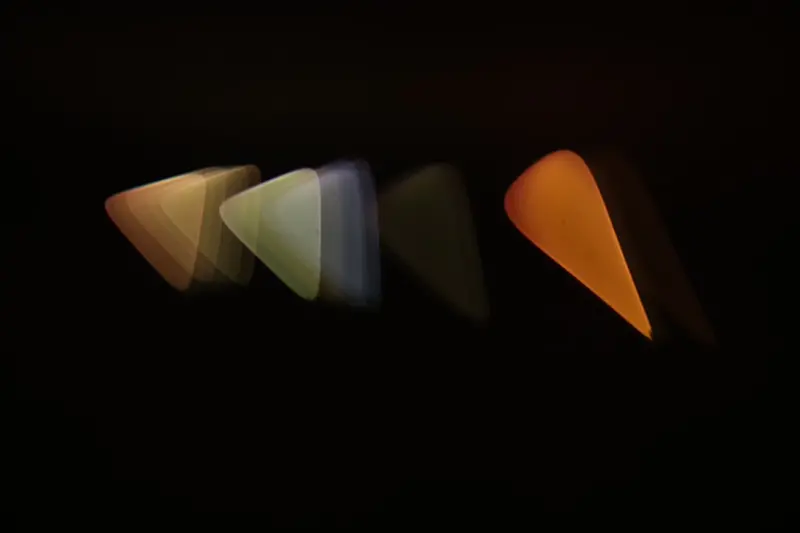
The Quiet Prescription: How Ambient Light Shapes Mood, Sleep, and Metabolism
When I first stepped into a downtown office bathed in harsh fluorescent glare, I felt my shoulders tighten, my eyes sting, and my mind start to wander toward the next deadline. It wasn’t the workload that was draining me—it was the light. Over the years, I’ve learned that the illumination around us does more than help us see; it quietly nudges our hormones, our circadian rhythm, and even our emotional landscape. In this piece, I’ll walk you through the science, the everyday pitfalls, and the simple, evidence‑based tweaks you can make to turn any space into a wellness‑boosting sanctuary.
Why Light Matters: The Biology Behind the Brightness
Our bodies are wired to respond to light. The suprachiasmatic nucleus (SCN) in the hypothalamus acts as the master clock, using light cues to synchronize the release of melatonin, cortisol, and other hormones. When natural daylight streams in, the SCN signals the pineal gland to keep melatonin low, keeping us alert and energized. As evening approaches and light dims, melatonin rises, inviting sleep.
But not all light is created equal. Blue wavelengths (roughly 460–480 nm) are the most potent at suppressing melatonin, which is why screens and LED office lights can keep us wired well past bedtime. Conversely, warm amber tones (around 590 nm) are gentler, promoting relaxation without triggering the same hormonal cascade.
Beyond sleep, light influences metabolism. Studies show that exposure to bright, cool light in the morning can boost insulin sensitivity, while dim, warm lighting in the evening helps the body shift into a restorative mode. The cumulative effect? Better mood, sharper cognition, and a healthier weight trajectory.
Common Light‑Related Health Challenges in Modern Life
- Seasonal Affective Disorder (SAD): Short winter days can leave many feeling sluggish. The lack of sufficient blue‑rich daylight reduces serotonin production, leading to depressive symptoms.
- Screen‑Induced Insomnia: Late‑night scrolling under blue light delays melatonin onset, making it harder to fall asleep.
- Eye Strain and Headaches: Flickering fluorescent tubes and poor contrast can cause digital eye strain, especially for those who spend hours at a desk.
- Metabolic Slumps: Dim, monotonous lighting in office cubicles can lower physical activity cues, contributing to sedentary habits and weight gain.
Designing Light for Health: Practical Strategies for Every Space
Whether you’re curating a home office, a corporate lobby, or a hospital waiting room, the principles remain the same: respect the natural light cycle, tailor the spectrum to the activity, and minimize glare.
1. Harness Natural Light Whenever Possible
Position workstations near windows, but avoid direct glare on screens. If privacy is a concern, consider sheer curtains that diffuse sunlight while preserving its spectrum. In spaces where windows aren’t an option, simulate daylight using full‑spectrum LED panels that mimic the sun’s color temperature (around 5,500 K) during the day.
2. Implement Dynamic Lighting Controls
Modern lighting systems can shift color temperature and intensity automatically. A circadian lighting schedule might look like this:
- 06:00–09:00 – Bright, cool (6,500 K) light to energize.
- 12:00–14:00 – Neutral (4,000 K) light for focus.
- 18:00–22:00 – Warm amber (2,700 K) light to wind down.
Integrating these controls can be as simple as a smartphone app or as sophisticated as a building management system that syncs with sunrise and sunset times.
3. Choose the Right Bulbs for Specific Tasks
For tasks requiring visual acuity—like reading or detailed design work—opt for high CRI (Color Rendering Index) bulbs above 90, which render colors accurately and reduce eye strain. For relaxation zones, such as break rooms or meditation corners, select low‑intensity, warm LEDs or even smart bulbs that can dim to a candle‑like glow.
4. Protect Your Evening Hours
Install blue‑light filters on your devices, or switch to “night mode” after sunset. Consider amber‑tinted glasses if you must work late; they block blue wavelengths while preserving enough light to keep you safe.
5. Leverage Light for Mood Regulation
Light therapy boxes delivering 10,000 lux of cool white light for 30 minutes each morning can be a game‑changer for those battling SAD or chronic fatigue. Pair this with a brief walk outdoors to amplify the effect.
Case Study: A Tech Startup’s Light Revamp
A mid‑size SaaS firm recently partnered with a wellness consultancy to overhaul its headquarters lighting. By replacing the old fluorescent grid with programmable LED panels and adding skylight simulators in conference rooms, they reported a 22% reduction in reported eye strain, a 15% increase in employee‑perceived productivity, and a measurable dip in sick days during the winter months. The initiative also dovetailed nicely with their corporate sustainability goals, cutting electricity consumption by 18%.
What’s noteworthy is that the company didn’t just buy new fixtures—they re‑thought the workflow. Developers working on code for long stretches were given “focus pods” with cooler light, while creative designers were placed in “inspiration zones” bathed in softer, warmer hues. The result? A more harmonious environment that respected both the brain’s need for alertness and its need for downtime.
The Intersection of Light and Digital Health
As we increasingly rely on digital health platforms—from remote monitoring to teletherapy—the ambient lighting of our devices becomes part of the therapeutic equation. An app that delivers mindfulness sessions can enhance its efficacy by prompting users to dim their lights and use headphones, creating a multisensory calm. This aligns with the emerging concept of AI‑Driven Predictive Care, where algorithms factor in environmental data (including lighting) to predict mood fluctuations and suggest personalized interventions.
Light Hygiene: A Daily Checklist
- Morning: Open curtains, expose yourself to natural daylight for at least 15 minutes.
- Work Hours: Use cool, bright light for focus; adjust screen brightness to match ambient levels.
- Afternoon Break: Step outside or sit near a window; avoid prolonged exposure to harsh overhead LEDs.
- Evening: Switch to warm, dim lighting; enable blue‑light filters on screens.
- Pre‑Sleep: Dim lights to <10 lux for at least 30 minutes before bed; consider a red night lamp if you need a low‑light source.
Future Directions: Smart Light and Health Data Integration
Imagine a workspace where your badge not only opens the door but also cues the lighting system to adapt to your circadian profile. Wearable sensors could feed real‑time data—heart rate variability, sleep quality, even mood surveys—into a building’s lighting control algorithm, delivering a truly personalized “light prescription.” While still in pilot phases, several forward‑thinking campuses are experimenting with such integrations, promising a future where the environment actively supports our wellbeing.
As a health‑focused professional, I’m excited to see these concepts move from research labs into everyday practice. The key takeaway? Light is a silent, potent therapeutic tool. By paying attention to its quality, timing, and intensity, we can nurture our mental, metabolic, and emotional health without a single pill.
So, the next time you find yourself reaching for a coffee to stay awake, pause and consider the lights above you. A simple adjustment might be the quiet prescription you need.

Related Posts
Biophilic Workspaces: How Nature‑Infused Offices Are Boosting Employee Health and Performance
Integrating natural light, living walls, and organic materials into office design can lower stress, ... Read More
Micro‑Movement Mastery: Turning Desk Time Into Health Gains
Micro‑Movement Mastery explores the power of brief, frequent exercises woven into a workday, offer... Read More

The Deceptive Beauty of Wild Parsnip: A Warning About This Invasive Threat
Eastern Ontario's roadways and trails are currently awash with a vibrant splash of yellow, courtesy ... Read More
Top Posts

The Tariff Tango: A Threat to Canadian Farmers and the Economy
The tariff tango between Canada and the US is affecting farmers and the economy. Learn about the economic and human impact of tariffs and what can be done to su...Read More

Ontario’s Hidden Fishing Frontiers: Night, Ice, and Sustainable Adventure
Explore Ontario’s shifting seasons, nighttime ice fishing thrills, sustainable techniques, and how local anglers are shaping the future of fishing....Read More

The Unseen Struggles of Rural Mental Health: A Call for Action
The unseen struggles of rural mental health in Canada are a pressing issue. Learn how to break the silence and get support....Read More
Indigenous Self‑Governance: The Quiet Revolution Reshaping Canadian Politics
Indigenous self‑governance is quietly reshaping Canada’s political landscape, forcing parties to rethink policy and sparking a new constitutional conversati...Read More
0 Comments
Post Comment
You will need to Login or Register to comment on this post!