
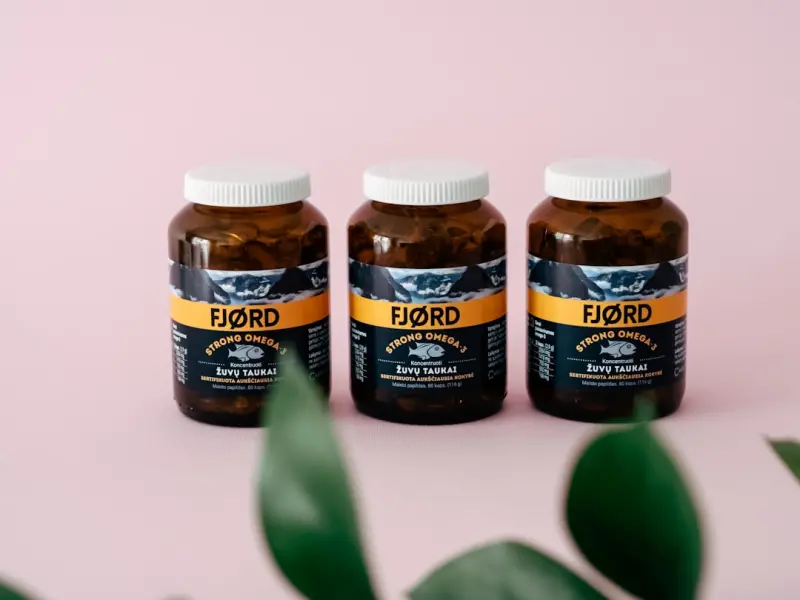
Why Functional Foods Deserve a Spot on Your Plate
When I first started mapping out my weekly meals, I treated food like a calendar—something to fill the gaps between meetings, not a lever for long‑term vitality. Over the past few years, that mindset has been upended by a flood of research showing that the nutrients we ingest do more than fuel muscles; they communicate directly with our cells, hormones, and even our brain chemistry. Functional foods—ingredients packed with bioactive compounds that go beyond basic nutrition—have become the quiet revolution in kitchens, offering a way to bolster immunity, balance stress hormones, and sharpen mental clarity without a single pill.
The Fermentation Frontier: Gut Health in a Jar
Fermentation is the oldest food preservation method on the planet, yet modern science is finally decoding why a spoonful of kimchi or a splash of kombucha can feel like a probiotic power‑boost for the entire digestive system. The secret lies in the gut microbiome, a bustling metropolis of trillions of bacteria that influence everything from nutrient absorption to mood regulation; when we feed those microbes with live cultures, we essentially invite them to do the heavy lifting of breaking down fibers and synthesizing vitamins. Below is a quick reference of fermented staples you can stock without a specialty store:
- Sauerkraut – raw cabbage fermented with sea salt.
- Kimchi – Korean spicy cabbage with garlic, ginger, and chili.
- Kombucha – sweetened tea fermented with SCOBY.
- Miso – soybeans aged with koji fungus.
- Fermented pickles – cucumbers brined in saltwater.
Everyday Ways to Invite Ferments into Your Menu
Integrating these probiotic powerhouses doesn’t require a culinary degree; it simply calls for a few habit tweaks that can slide into even the busiest schedule. I start my mornings by stirring a tablespoon of fermented miso into hot water, creating a soothing broth that not only awakens the palate but also seeds the gut with beneficial bacteria before the day’s first coffee; for lunch, I swap out bland iceberg lettuce for a crunchy kimchi slaw that adds a zing of umami and a dose of lactobacilli. When the evening rolls around, a splash of kombucha replaces sugary soda, delivering a fizzy, low‑calorie alternative that supports digestion after a hearty dinner, and the leftover sauerkraut makes a tangy topping for baked potatoes, proving that fermentation can be as versatile as it is nourishing.
Adaptogenic Herbs: Nature’s Stress‑Buffering Allies
While fermented foods nurture the gut, adaptogenic herbs work on a different front—helping the body adapt to physical and mental stressors without crashing the endocrine system. Roots and berries like ashwagandha, rhodiola, and holy basil contain compounds that modulate cortisol levels, improve mitochondrial efficiency, and support neuroplasticity, meaning they can smooth out the spikes that come from demanding workdays or sleepless nights. In my own kitchen, I treat these herbs as the culinary equivalent of a thermostat, dialing them up when my schedule feels chaotic and scaling back when the rhythm settles, creating a dynamic balance that keeps my energy steady and my focus razor‑sharp.
Cooking with Adaptogens: Simple Rituals for Maximum Benefit
Adaptogens are remarkably forgiving, thriving in both hot and cold preparations, which makes them perfect for the fast‑paced home cook who still wants to reap their health dividends. A quick tip I swear by is whisking a pinch of powdered ashwagandha into a morning smoothie—its earthy flavor blends seamlessly with banana, spinach, and almond milk, delivering a calm alertness that lasts until lunch. For a midday lift, I simmer a handful of dried rhodiola in bone broth, letting the herb infuse for ten minutes before straining and sipping; the result is a comforting cup that steadies blood sugar and sharpens mental clarity without the jittery side effects of caffeine.
Brain‑Boosting Plant‑Based Snacks That Taste Like Treats
When the afternoon slump hits, I reach for snacks that combine healthy fats, low‑glycemic carbs, and a sprinkle of antioxidants to keep the brain humming, rather than reaching for the usual sugar‑laden options that cause a quick spike followed by a crash. One of my go‑to creations is a blend of roasted chickpeas tossed with smoked paprika, turmeric, and a drizzle of olive oil—each bite delivers protein, fiber, and curcumin’s anti‑inflammatory power, which research links to improved cognition. Another favorite is a dark‑chocolate‑covered walnut cluster, where the walnuts supply omega‑3s crucial for neuronal membrane fluidity, while the cocoa’s flavonoids enhance blood flow to the prefrontal cortex, supporting decision‑making and memory retention.
Strategic Meal Planning: Turning Functional Foods into a Habit
To transform these nutrient‑dense choices from occasional experiments into everyday staples, I rely on a weekly “functional food map” that aligns each meal with a specific health goal—gut health on Monday, stress resilience on Wednesday, and brain performance on Friday—ensuring variety while preventing monotony. This approach dovetails nicely with the Kitchen Garden Tips I shared earlier, because growing your own herbs and vegetables not only guarantees freshness but also cuts down on the time spent searching for specialty ingredients. By batch‑prepping fermented condiments on the weekend and storing them in glass jars, I create a ready‑to‑use pantry that eliminates decision fatigue and makes it effortless to sprinkle a probiotic boost onto any dish, from tacos to grain bowls.
Wrapping It Up: Your Next Step Toward a More Resilient Body
The beauty of functional foods lies in their simplicity—no exotic gadgets, no costly supplements, just a thoughtful selection of ingredients that work synergistically to support the body’s natural defenses and performance. As you experiment with fermented staples, adaptogenic herbs, and brain‑fueling snacks, remember that consistency trumps perfection; even a modest daily dose can shift the balance of gut bacteria, temper stress responses, and sharpen mental acuity over time. For deeper inspiration on pairing seasonal produce with these power foods, check out the Seasonal Superfoods guide, and start building a pantry that feels as vibrant as the health outcomes you’re aiming to achieve.

Related Posts

Fermentation: The Secret Weapon for Busy Professionals Seeking Better Health
Fermentation isn’t just a culinary trend; it’s a powerful, low‑maintenance tool for busy profe... Read More

Reconnecting with the Land: How Urban Foraging Fuels Health and Community
Urban foraging offers a nutrient‑dense, low‑cost way to improve health and foster community. Lea... Read More
Chrono‑Smart Eating: How Timing Your Meals Boosts Energy and Health
Learn how syncing meals with your body’s natural rhythm can skyrocket energy, balance hormones, an... Read More
Top Posts

The Hidden Power of Food Pairing: Boosting Nutrition One Plate at a Time
Learn how pairing the right foods—like vitamin C with iron‑rich greens or healthy fats with fat‑soluble vitamins—can dramatically boost nutrient absor...Read More

Ferment Your Way to a Stronger Gut: A DIY Guide for Busy Professionals
Fermentation offers a simple, science‑backed method to add probiotics, flavor, and longevity to everyday meals. This guide walks busy professionals through qu...Read More

Navigating the Canadian Auto Insurance Market: Broker vs. Direct Insurance
In Canada, auto insurance is a mandatory requirement for all drivers. The Canadian auto insurance market is complex and diverse, with various options available ...Read More

Internal Marketplaces: The Silent Engine Driving Business Agility
Internal marketplaces turn dormant skills and idle assets into a dynamic, revenue‑generating ecosystem, giving companies a competitive edge in speed and flexi...Read More
0 Comments
Post Comment
You will need to Login or Register to comment on this post!