
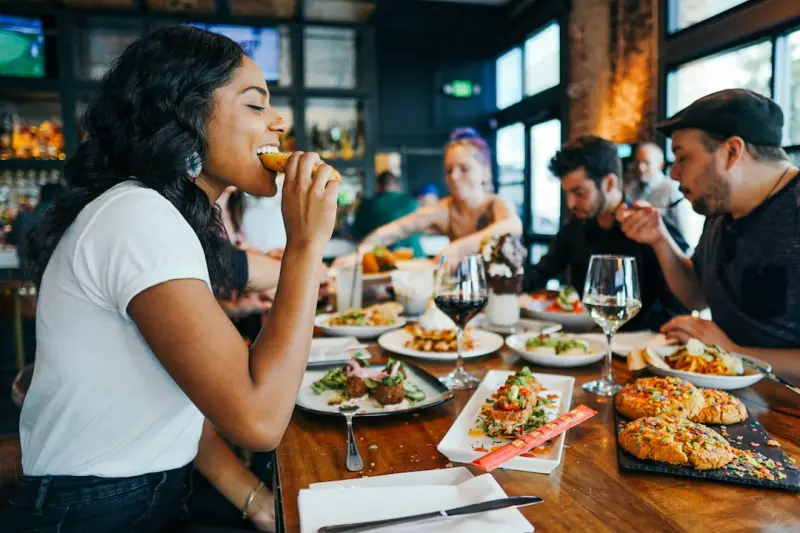
When I first stepped into a downtown bistro that greeted me with a custom‑crafted playlist instead of a menu, I realized I was witnessing a subtle revolution. Restaurants have always been about food, but the next frontier is about the whole experience—one that blends taste with sound, community, and a sense of belonging that goes far beyond punchy loyalty points.
The Old Loyalty Model is Crumbling
For decades, the standard restaurant loyalty program was a simple equation: eat, earn a stamp, and after a set number of stamps you receive a free appetizer or a discount. It worked well enough when diners were primarily motivated by price and when the marketplace was saturated with similar choices. But today, subscription fatigue has taught us that consumers are tired of generic rewards that feel more like a transaction than a relationship.
In my own dining adventures, I’ve noticed three recurring frustrations:
- One‑size‑fits‑all rewards that don’t reflect personal preferences.
- Points that expire before the busy professional can cash them in.
- Lack of emotional connection—the program feels like a marketing ploy rather than a partnership.
Restaurants that cling to this model risk being left behind, especially as diners increasingly seek authenticity, community, and experiences that feel curated for them.
From Points to Experiences: The New Loyalty Paradigm
Imagine walking into a neighborhood eatery and being recognized not just by your name, but by your favorite music genre, dietary preferences, and the cause you care about most. The restaurant greets you with a subtle jazz riff that matches your evening vibe and offers you a tasting menu that highlights locally sourced vegetables you love, paired with a glass of natural wine from a vineyard that supports sustainable farming. That’s the power of experience‑centric loyalty.
Here’s how forward‑thinking restaurateurs are redefining loyalty:
- Personalized Audio Branding: By collaborating with local musicians or leveraging the Podcast renaissance, venues create soundscapes that change with the time of day or the season, turning dining into a multi‑sensory event. Regular patrons hear a subtle nod to their favorite band’s riff, making them feel seen.
- Membership Communities: Instead of points, diners join a “food club” that grants access to exclusive chef‑talks, farm‑to‑table tours, and secret menu items. Membership fees are modest, but the value is amplified by the sense of belonging.
- Health‑First Perks: Leveraging data from wearable devices (with consent), restaurants can suggest menu items that align with a patron’s wellness goals. Imagine receiving a gentle nudge for a low‑sugar dessert after a morning run—this bridges the gap between wellness data and everyday enjoyment.
- Cause‑Connected Rewards: Diners earn “impact credits” that translate into donations to local food banks or environmental initiatives, turning every meal into a contribution to a larger mission.
Crafting the Audio Experience: Sound as a Loyalty Lever
Sound is a surprisingly potent tool for deepening the diner’s emotional connection. Research shows that background music can influence perceived taste, linger time, and even spending. Restaurants that treat their soundtrack as a curated experience can subtly guide moods and reinforce brand identity.
One innovative concept I encountered is the “dynamic playlist”. The kitchen staff inputs the day’s special ingredients into a simple app, which then selects songs with lyrical or rhythmic ties to those flavors. A citrus‑forward dish might be paired with a breezy bossa nova, while a hearty stew finds its counterpart in a warm acoustic ballad. Over time, regular guests begin to associate those musical cues with the restaurant’s signature dishes, creating an auditory memory that draws them back.
Building a Community Membership Model
Transitioning from a points system to a membership model requires a shift in mindset—from viewing customers as transactions to treating them as community members. Here are the steps that have proven effective:
- Define a Clear Value Proposition: Communicate why the membership matters. Is it exclusive access to chef’s tables? Early reservations for special events? Transparent storytelling around the benefits builds trust.
- Keep the Fee Accessible: A modest monthly or annual fee lowers the barrier to entry and encourages trial. Tiered options let diners choose the level of engagement that suits their lifestyle.
- Curate Exclusive Content: Monthly newsletters featuring behind‑the‑scenes videos, recipes, or short podcasts (think mini‑episodes of culinary stories) keep members engaged even when they’re not dining.
- Facilitate Real‑World Interaction: Host member‑only events—farm tours, wine tastings, cooking classes. The face‑to‑face interaction cements the community feel.
- Leverage Data Responsibly: Use consent‑based insights to personalize offers. If a member frequently orders plant‑based dishes, send them an invitation to a vegan tasting night.
The result is a virtuous loop: members feel valued, they visit more often, and they become ambassadors who bring friends into the fold.
Technology as the Enabler, Not the Star
It’s tempting to think that fancy apps or AI will solve all loyalty challenges, but the technology should serve the experience, not dominate it. Here’s how the right tech stack can support a community‑first approach:
- CRM Integration: A robust customer relationship management system consolidates dining history, preferences, and feedback, allowing staff to greet guests with personalized notes.
- Smart Tables: Table‑top tablets can display the day’s curated playlist, letting diners learn about the song’s connection to the menu. This adds an educational layer without being intrusive.
- Wearable Sync: With guest permission, syncing a smartwatch can trigger gentle health‑aligned suggestions, like a low‑carb dessert after a high‑intensity workout earlier in the day.
- Impact Tracking: A simple dashboard shows members how many impact credits they’ve earned and where those contributions have gone—transparency fuels goodwill.
Case Study: The SoundBite Collective
Located in a historic warehouse district, SoundBite Collective reimagined its loyalty program two years ago. They replaced a traditional stamp card with the “Harmony Club”. Members pay a modest annual fee and receive:
- Access to quarterly “Sound & Savor” events, where local musicians perform live while chefs create interactive dishes.
- A monthly playlist curated by a resident DJ, with each song linked to a “secret menu” item that’s only available to members.
- Personalized wellness recommendations based on optional wearable data—members received a low‑sugar dessert suggestion after a morning run, and it became a beloved tradition.
- Quarterly reports on how their impact credits supported nearby urban farms.
Within six months, the restaurant saw a 27% increase in repeat visits, a 15% rise in average ticket size, and a surge in social media mentions praising the immersive experience. More importantly, members reported feeling a stronger bond to the venue, describing it as “a place that knows me” rather than “just another eat‑out”.
Overcoming Common Pitfalls
Transitioning to an experience‑driven loyalty model isn’t without challenges. Here are the pitfalls to watch for, and how to sidestep them:
- Overcomplicating the Sign‑Up Process: Keep the enrollment simple. A quick email capture and a short preference survey are sufficient. If the onboarding feels like a chore, you’ll lose potential members before they even step through the door.
- Neglecting Non‑Members: While the membership program offers perks, the base experience must still be stellar. Non‑members should feel welcomed and see clear value in eventually joining.
- Ignoring Feedback Loops: Regularly solicit member feedback on the playlists, events, and health suggestions. Adapt quickly—stagnation erodes the sense of community.
- Data Privacy Missteps: Transparent consent mechanisms are non‑negotiable. Clearly explain how data will be used, and give members the option to opt out without penalty.
- Underestimating Staff Training: Front‑of‑house staff must be comfortable discussing playlists, wellness suggestions, and impact credits. Ongoing training ensures they can convey the program’s value with confidence.
Future Trends: What’s Next for Restaurant Loyalty?
Looking ahead, I see three emerging trends that will shape the next wave of loyalty innovation:
- Hyper‑Local Collaboration Networks: Restaurants will partner with nearby farms, artisans, and even other eateries to co‑create “neighborhood tasting passports”. Members earn stamps not just from a single venue, but from a curated set of local partners, deepening community ties.
- AI‑Curated Sensory Pairings: Advanced algorithms will analyze a guest’s past orders, music preferences, and even mood data (from wearables) to suggest a complete sensory package—song, aroma, plate, and ambience—all in real time.
- Immersive AR Menus: Augmented reality will let diners visualize the story behind each dish—seeing the farm, hearing the farmer’s voice, and feeling the rhythm of the cooking process. Membership could unlock exclusive AR experiences, adding another layer to loyalty.
These innovations reinforce one central truth: loyalty is no longer about “earning points” but about feeling a genuine connection to the place, its people, and its purpose. When diners walk in and feel like the restaurant already knows them—through song, health insight, or shared impact—they’re not just paying for a meal; they’re investing in an experience they can’t get anywhere else.
Takeaway: Your Restaurant Can Lead the Change
If you’re a restaurateur feeling the pressure of dwindling repeat business, consider this roadmap:
- Audit Your Current Loyalty Program: Identify what feels transactional versus relational.
- Introduce a Pilot Membership: Start small—a quarterly “Taste & Tune” event with curated playlists and a simple subscription.
- Gather Data, Not Just Numbers: Track not only visit frequency but also emotional feedback—how did the music make guests feel? Did wellness suggestions resonate?
- Iterate Quickly: Use feedback to refine playlists, adjust event cadence, and expand impact options.
- Scale Thoughtfully: As confidence builds, broaden the program to include more exclusive content, deeper health integrations, and community‑wide collaborations.
The shift from points to experiences is more than a marketing tweak; it’s a cultural evolution that aligns restaurants with the modern diner’s desire for authenticity, connection, and purpose. By weaving sound, health, and community into your loyalty strategy, you’ll not only retain guests but turn them into passionate advocates who bring the story of your restaurant to every table they set.

Related Posts

Personalized Palates: How AI and AR Are Redefining the Restaurant Experience
Discover how restaurants are using AI to tailor menus and augmented reality to tell ingredient stori... Read More
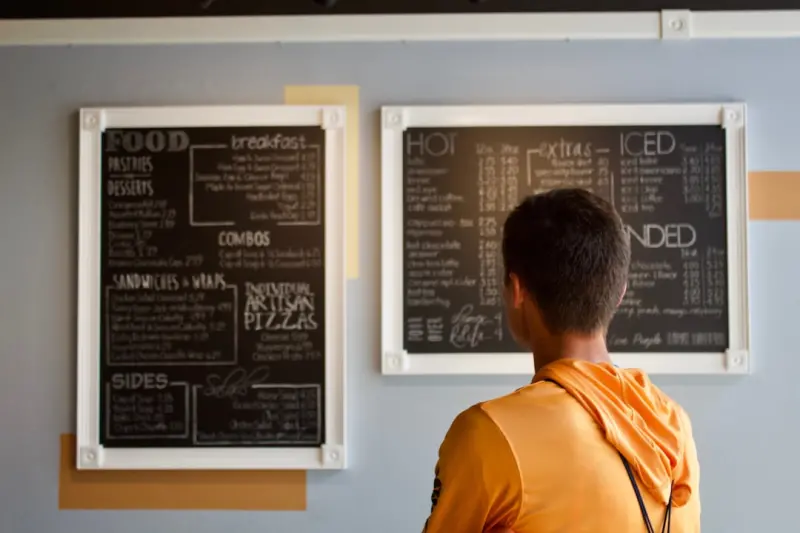
The Art of Menu Storytelling: How Restaurants Turn Dishes into Narratives
Explore the power of menu storytelling, from immersive narratives to digital tools, and learn action... Read More
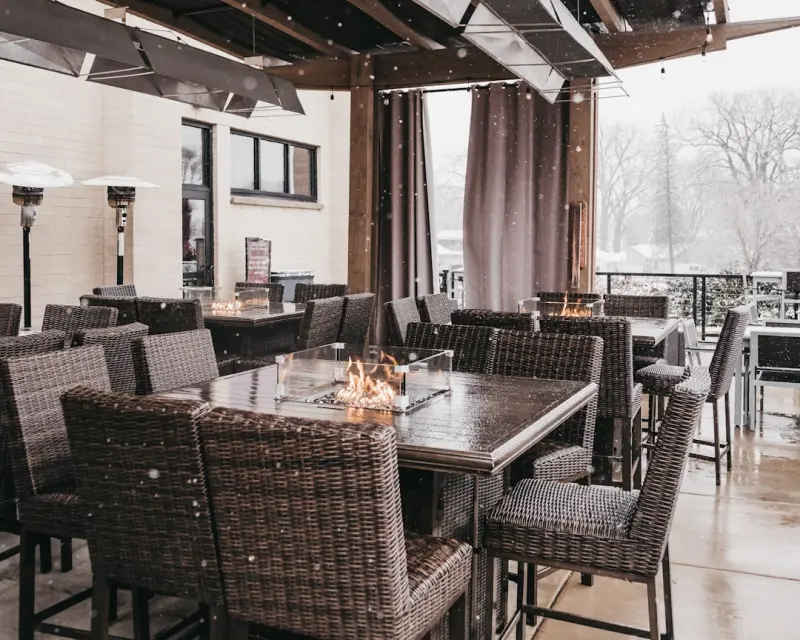
Community Tables and Micro‑Restaurants: The Next Dining Wave
A fresh look at how shared‑table concepts, micro‑restaurant agility, and data‑powered guest pe... Read More
Top Posts

Conversational Commerce: Turning Chat Into Revenue
Explore the rise of conversational commerce, learn practical integration tips, avoid common pitfalls, and see how chat can become a powerful revenue engine....Read More
Redefining the Real Cost of Living When You Work Remotely
A deep dive into the true cost of remote work life: housing, utilities, taxes, food and hidden expenses, plus actionable budgeting strategies....Read More
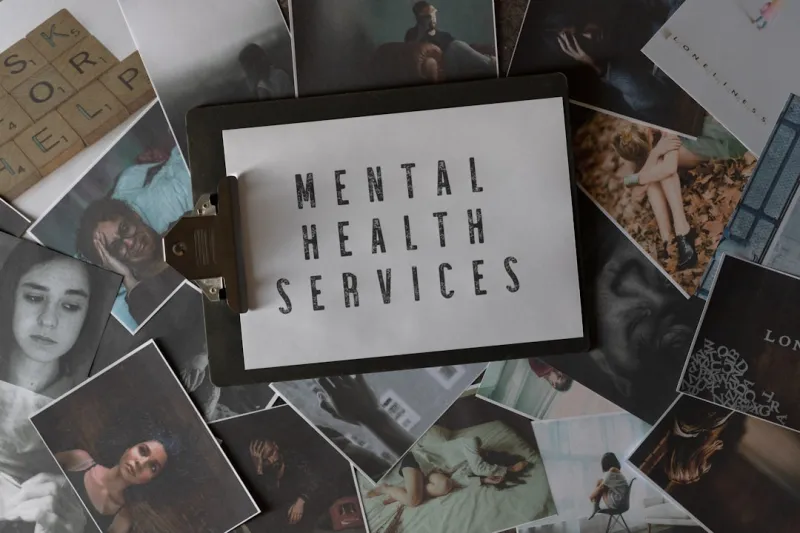
The Alarming Rise of Mental Health Concerns Among Canadian Parents
Canadian parents are struggling with mental health concerns. Discover the alarming statistics, the impact of social media, and the importance of community suppo...Read More

Post-Patent Era: How the Expiration of Ozempic’s Canadian Patent Could Make Weight-Loss Treatment More Affordable and Accessible
Ozempic has become a household name for weight loss, especially among celebrities and health-conscious individuals. This medication, originally used for managin...Read More
0 Comments
Post Comment
You will need to Login or Register to comment on this post!