

Why Preventive Health Is the Next Big Wave in a Hyper‑Connected World
When I first started tracking my steps on a basic pedometer, I thought I was doing something revolutionary. Fast forward a few years, and my smartwatch is now a miniature health clinic strapped to my wrist, constantly nudging me toward better sleep, lower stress, and smarter nutrition. This isn’t a gimmick; it’s the quiet revolution that’s turning data into daily prescriptions and reshaping how we think about wellness.
In the past decade, three forces have collided to create a perfect storm for preventive health: ubiquitous connectivity, ever‑more accurate sensors, and AI that can translate raw numbers into actionable insights. Together, they’re turning the old adage “prevention is better than cure” from a philosophical ideal into an achievable daily practice.
The Data Deluge: From Numbers to Narrative
Every ping from your phone, every heartbeat logged by a wearable, and every grocery receipt scanned by a loyalty app adds a new data point to an expanding health mosaic. When these points are aggregated and analyzed, patterns emerge that were once invisible to the naked eye.
Take, for example, the rise of continuous glucose monitoring (CGM) for people without diabetes. By tracking glucose fluctuations in real time, users can identify how specific foods, stress spikes, or late‑night screens impact their blood sugar. The result is a personalized nutrition roadmap that can stave off insulin resistance long before any clinical diagnosis.
But data is only as good as the infrastructure that moves it. In Canada, the rollout of nationwide broadband has turned rural corners into data highways, allowing remote health platforms to stream high‑resolution biometric data without lag. This connectivity is the silent catalyst that makes real‑time preventive care feasible for everyone, not just urban dwellers.
Wearables Are Graduating to Medical‑Grade Tools
Remember the days when a smartwatch could only count steps? Today, devices can measure blood oxygen saturation, electrocardiograms, and even detect atrial fibrillation with FDA‑cleared accuracy. This shift from lifestyle gadget to clinical instrument is democratizing health monitoring.
- Electrodermal Activity (EDA) sensors capture stress responses by measuring skin conductance, providing a real‑time stress score that can trigger breathing exercises or a short mindfulness break.
- Photoplethysmography (PPG) sensors in wristbands now offer reliable heart‑rate variability (HRV) readings, a key indicator of recovery and autonomic balance.
- Sleep tracking algorithms have evolved from simple motion detection to multi‑parameter analyses that differentiate light, deep, and REM stages, offering actionable tips to improve sleep hygiene.
These advancements are more than cool tech; they are the backbone of a preventive health ecosystem where early warning signs are caught before they become emergencies.
Mental Health Meets Artificial Intelligence
Physical metrics are only half the story. Mental wellness—stress, anxiety, burnout—has surged to the forefront of public health conversations. AI‑driven chatbots and sentiment‑analysis tools can now detect subtle shifts in language that indicate mood changes.
For instance, an AI‑powered journaling app might notice an increase in negative sentiment over a week and suggest a digital detox or a consultation with a therapist. Coupled with wearable stress scores, this creates a multi‑modal picture of mental health that can be addressed proactively.
But with great insight comes a great responsibility: ensuring that these tools respect privacy. The smart speaker privacy debate reminded us that convenience can sometimes outpace consent. When health data is collected, stored, and potentially shared, transparent policies and robust encryption are non‑negotiable.
The Privacy Paradox: Convenience vs. Confidentiality
Every health app asks for permission to access your location, contacts, or even microphone. While this data fuels personalized recommendations, it also creates a tempting target for malicious actors. The paradox lies in wanting the convenience of a device that knows you intimately, yet fearing the exposure of that intimacy.
Here are three practical ways to safeguard your health data while still enjoying the benefits of connectivity:
- Audit permissions regularly. Turn off sensors you don’t use daily—like continuous location tracking—unless a specific feature requires it.
- Choose platforms with end‑to‑end encryption. Look for services that store data locally on the device rather than in the cloud, or that use zero‑knowledge encryption.
- Leverage data‑minimalist wearables. Some new devices focus solely on core metrics (heart rate, steps) without the bells and whistles that harvest additional personal data.
Embedding Prevention Into Everyday Life
Technology provides the tools, but the habit of prevention must be cultivated. Organizations and families alike can create ecosystems that reinforce healthy choices.
- Workplace wellness hubs can integrate wearable data dashboards (with employee consent) to encourage movement breaks, standing meetings, and mindfulness sessions.
- Family health contracts—simple agreements where each member commits to a weekly digital‑free night or a collective step goal—turn preventive health into a shared mission.
- Community challenges hosted on local health platforms foster friendly competition, making data-driven goals feel social rather than solitary.
When prevention becomes a shared cultural value, the impact multiplies. Small daily actions—taking a brisk walk after lunch, a five‑minute breathing exercise before a video call, or swapping a sugary snack for a fruit‑rich alternative—create a ripple effect that can lower community health costs dramatically over time.
Practical Steps to Kickstart Your Preventive Health Journey
Feeling overwhelmed by the tech jargon? Here’s a simple, three‑phase roadmap you can start today:
Phase 1: Baseline Mapping
• Choose a single wearable. Start with a device that tracks heart rate, steps, and sleep. Commit to wearing it for at least two weeks to gather baseline data.
• Log a daily wellness journal. Use a note‑taking app to record mood, energy levels, and any notable stressors. This qualitative data will complement the quantitative metrics.
Phase 2: Insight Integration
• Set actionable alerts. Configure your wearable to notify you when HRV drops below a personalized threshold, prompting a short breathing exercise.
• Leverage AI tools. Try a free AI‑powered mental health app that analyses your journal entries for sentiment shifts and suggests coping strategies.
Phase 3: Optimization and Expansion
• Incorporate nutrition tracking. Pair your wearable data with a food logging app to see how meals affect sleep and stress metrics.
• Share responsibly. If comfortable, share aggregated, anonymized data with a health coach or workplace wellness coordinator to identify broader patterns.
Remember, preventive health isn’t a sprint; it’s a marathon that thrives on consistency, curiosity, and a willingness to adapt as new insights surface.
Looking Ahead: The Future of Prevention
Imagine a world where your home’s HVAC system adjusts temperature based on your sleep stage, or where your kitchen suggests meals that balance your micronutrient profile in real time. This isn’t sci‑fi; it’s the logical extension of the data‑driven preventive model we’re building today.
As broadband reaches every corner of the country and AI becomes increasingly adept at translating raw data into human‑centric recommendations, the line between “living” and “optimizing health” will blur. The key will be to stay informed, protect privacy, and keep the focus on empowerment rather than surveillance.
In the end, the most powerful tool we have is our own agency. With the right blend of technology, habit, and community, preventive health can become the default mode of living—quiet, continuous, and profoundly transformative.

Related Posts

The Quiet Revolution: Turning Wearables into Your Personal Health Coach
Discover how everyday wearables can become a personalized health coach, empowering you with data-dri... Read More
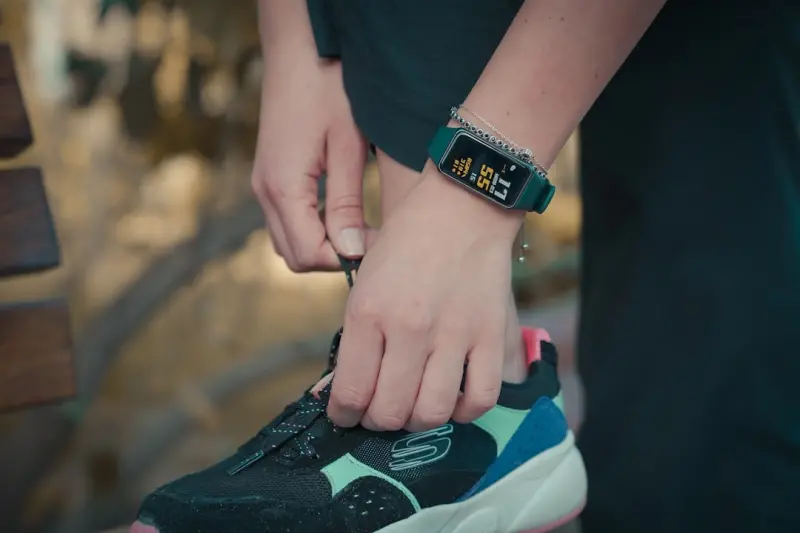
When Your Wristwatch Becomes a Personal Health Coach
Wearables have evolved from simple step counters to active health coaches that, alongside smart home... Read More

The Sound of Focus: Harnessing Ambient Audio for Workplace Wellness
A deep dive into how strategic ambient sound can enhance concentration, lower stress, and become a l... Read More
Top Posts

Ontario’s Untapped Fishing Havens: A Local’s Guide to Secret Waters
Explore Ontario’s lesser‑known waters, learn sustainable techniques, and get insider gear tips to uncover the province’s best-kept fishing secrets....Read More
The Evolution of Marketing in the Digital Age
The world of marketing has undergone a significant transformation in recent years. As technology continues to advance and consumer behavior evolves, marketers a...Read More

Curating a Cozy Canadian Home: Seasonal Secrets and Personal Sanctuaries
Explore fresh ways to make your Canadian home cozy all year, from seasonal décor and local crafts to turning hidden corners into personal retreats....Read More

Why Your Commute Is Eating Your Wallet: The Hidden Cost of Urban Mobility
Urban commuting costs go beyond fares, with hidden fees from scooters, surge pricing on ride‑hail, and unexpected transit charges. This post reveals the true ...Read More
0 Comments
Post Comment
You will need to Login or Register to comment on this post!