

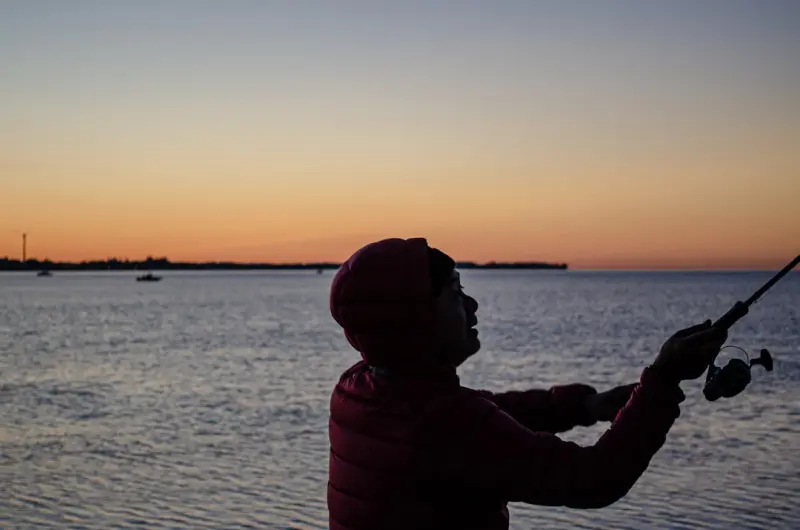
Ontario’s lakes and rivers hold a secret that most daytime anglers never see – a whole other world that awakens when the sun dips below the horizon. As someone who grew up swapping stories on the dock and now spends evenings chasing the subtle glint of a walleye’s dorsal fin under a moonlit sky, I’ve learned that night fishing isn’t just a hobby; it’s a mindset shift. It demands patience, a different set of tools, and a deeper respect for the ecosystems that thrive after dark.
Why Night Fishing Deserves Your Attention
When daylight fades, many fish species change their behavior dramatically. Predatory fish such as pike, walleye, and smallmouth bass move into shallower feeding zones, while forage fish rise to the surface to hunt insects. This vertical migration creates a feeding frenzy that can be exploited with the right approach.
Beyond the tactical advantage, night fishing offers a quieter, more meditative experience. The hush of the water, the occasional call of an owl, and the soft ripple of a lure can feel almost therapeutic. In a world where we’re constantly bombarded by notifications, the darkness provides a rare pause.
Mapping Ontario’s Best Dark‑Water Corridors
Ontario is massive – over 250,000 lakes and countless rivers. Not every body of water is suitable for night angling, but a few corridors consistently rank among the best:
- Lake of the Woods (Northwest Ontario): Its sprawling network of bays and islands creates endless shoreline pockets where walleye congregate after sundown.
- Lake Simcoe (Central Ontario): Known for its abundant perch and pike, the lake’s shallow western shores light up with activity when the moon is high.
- The French River (Northern Ontario): This historic waterway sees a surge of smallmouth bass and muskellunge during the cooler months, especially on moonlit nights.
- St. Lawrence River’s Thousand Islands: The complex current patterns draw catfish and sturgeon to the river’s deeper channels after dusk.
Before you head out, always check local regulations. Some lakes have night‑fishing restrictions to protect spawning periods. The Ontario Ministry of Natural Resources and Forestry website offers up‑to‑date rules, and it’s wise to review them ahead of your trip.
Gear for the Twilight Hours
Success after dark hinges on equipment that can both see and be seen. Here are the essentials I never leave home without:
- Low‑profile LED headlamps: Opt for a model with adjustable brightness and a red light setting to preserve night vision while still illuminating your rod.
- Glow‑in‑the‑dark tackle: Lures coated in phosphorescent paint or those with built‑in LEDs mimic the bioluminescence of natural prey, drawing strikes from curious predators.
- Quiet, high‑sensitivity rods: Fiberglass rods with a fast action allow you to feel the faintest nibble without the need for loud, aggressive casting.
- Silicone line with low visibility: A clear or lightly tinted line reduces the chance of spooking fish that can detect even subtle shadows.
- Portable power bank: Keep your electronics charged – especially if you plan to use a fish‑finding app or GPS device throughout the night.
Ethical Practices & Catch‑and‑Release
Night fishing can put extra stress on fish, particularly when temperature drops. To minimize impact:
- Handle fish with wet hands to preserve their protective slime layer.
- Use barbless hooks or short barbs that can be quickly removed.
- Keep the fish in water as long as possible; if a photo is essential, take it swiftly and release.
- Measure and release instead of keeping, especially for trophy-sized specimens that contribute to the breeding pool.
Adopting these practices helps ensure that the dark‑water corridors remain vibrant for future anglers. It aligns with a growing movement toward sustainable fishing that respects both the sport and the ecosystem.
Harnessing Open Data & Apps
One of the most exciting developments for modern anglers is the availability of real‑time water temperature and weather data. By pulling in smart trip planning tools, you can overlay temperature maps, wind patterns, and moon phases to pinpoint the most promising spots.
Popular apps like Fishbrain and Anglr offer community‑sourced reports, but you can also tap into government APIs that provide lake level and temperature readings every hour. Combine this data with a handheld sonar device, and you’ll have a portable “fish radar” that highlights schools as they move under the surface.
Don’t forget to respect privacy settings – many anglers keep their favorite night spots private to avoid overcrowding. The balance between sharing knowledge and preserving the experience is delicate but essential.
Community & Conservation
Ontario’s fishing community thrives on mentorship and shared experiences. Consider joining a local night‑fishing club or attending a “Moonlight Anglers” meetup. These gatherings often feature guest speakers from conservation groups who discuss topics like habitat restoration and invasive species control.
In fact, many clubs partner with initiatives that focus on sustainable travel concepts. By participating in clean‑up drives along riverbanks or supporting projects that restore spawning grounds, you turn a personal hobby into a force for ecological good.
Planning Your First Night Out
Here’s a step‑by‑step checklist for a successful inaugural night‑fishing adventure:
- Scout the location: Use satellite imagery and recent fishing reports to select a spot with good moonlight exposure.
- Check the forecast: Calm winds and clear skies produce a glass‑like water surface that makes fish more visible.
- Pack essential gear: Headlamp, glow lures, rod, line, knife, cooler, and a first‑aid kit.
- Arrive early: Set up before sunset to let your equipment acclimate to the temperature drop.
- Start with slow retrieves: Early in the night, fish are often tentative; a gentle jigging motion can coax them out of hiding.
- Monitor water temperature: A sudden drop can trigger a feeding frenzy – adjust your lure depth accordingly.
- Log your catches: Note time, depth, weather, and lure used. Over time, patterns will emerge that guide future outings.
Final Thoughts
Ontario’s night‑water corridors are a treasure trove waiting to be explored. By embracing the quiet, respecting the fish, and leveraging modern tools, you can transform a simple evening on the water into an unforgettable adventure. Whether you’re after the thrill of a trophy walleye or simply the peace that comes with a moonlit cast, the darkness holds endless possibilities. So, pack your gear, check the moon phase, and let Ontario’s night waters reveal their secrets.

Related Posts

Ontario’s Seasonal Fishing Playbook: Timing, Tactics, and Tradition
A guide to mastering Ontario’s seasonal rhythms, from water‑temperature cues to ethical catch‑... Read More
Ontario’s Secret Fishing Spots: A Local’s Guide
From quiet tributaries to secret lake coves, I share Ontario’s hidden fishing gems, sustainable ti... Read More

Charting a New Course: Data‑Driven, Sustainable Freshwater Fishing in Ontario
A fresh look at Ontario fishing that blends tradition with data, sustainable gear, and renewable ene... Read More
Top Posts

Curating a Cozy Canadian Home: Seasonal Secrets and Personal Sanctuaries
Explore fresh ways to make your Canadian home cozy all year, from seasonal décor and local crafts to turning hidden corners into personal retreats....Read More

Why Your Next Cruise Should Start on a Bus
Integrating purpose‑built bus tours with cruise itineraries transforms brief port stops into immersive land adventures, driving revenue, sustainability, and u...Read More
Parental Warning: The Invisible Risks of Kids’ Wearable Tech
Kids’ wearable devices promise fun and fitness, but they also harvest sensitive data and employ persuasive algorithms. This article uncovers the hidden privac...Read More

A New Wave of Community‑Driven Mental Health Care in Canada
Canada’s mental health system is evolving as local groups, tech innovators, and Indigenous leaders collaborate to create accessible, culturally resonant care,...Read More
0 Comments
Post Comment
You will need to Login or Register to comment on this post!