
Why the New Wave of Story‑Driven Cruises and Bus Tours Is Changing the Way We Travel
When I first booked a vacation, the decision was simple: pick a destination, book a seat, and hope the itinerary felt right. Today, the decision matrix has exploded. Travelers no longer settle for “seeing the sights”; they want to live the story. Cruise lines and bus tour operators have taken notice, and the result is a surge of immersive, narrative‑centric experiences that blur the line between vacation and theatre.
From Passive Sightseeing to Active Storytelling
Traditional travel packages often followed a predictable pattern: morning lecture, afternoon museum, evening dinner. The modern traveler craves agency—being able to influence the plot, make choices that affect outcomes, and interact with characters (real or staged) along the way. This shift is evident in three emerging trends:
- Themed Story Arcs: Voyages built around a central narrative, such as a pirate saga, a culinary mystery, or a historic reenactment.
- Interactive On‑Board Activities: Workshops, role‑playing games, and AR‑enhanced scavenger hunts that turn a ship’s deck or a bus’s aisle into a stage.
- Cross‑Medium Partnerships: Collaborations between cruise lines, bus operators, and local storytellers, museums, or theater troupes to ensure continuity from sea to shore.
How Cruise Lines Are Turning the Ocean Into a Living Set
Imagine stepping onto a ship where every cabin is named after a character, the daily briefing reads like a script, and the dining rooms serve dishes that are clues in a mystery dinner. Companies are investing heavily in set design, costume departments, and narrative consultants. The result? Passengers become protagonists.
One flagship example is the Chronicles of the Sea cruise, where guests embark on a centuries‑old treasure hunt. Each day, a new “chapter” is delivered via an app, prompting travelers to solve riddles, attend a dramatized “court hearing” in the ballroom, or decode a map using the ship’s augmented reality windows.
These experiences do more than entertain; they increase dwell time on board, boost ancillary revenue (think costume rentals and souvenir props), and create shareable moments that fuel organic marketing.
Bus Tours: Bringing Narrative to the Road
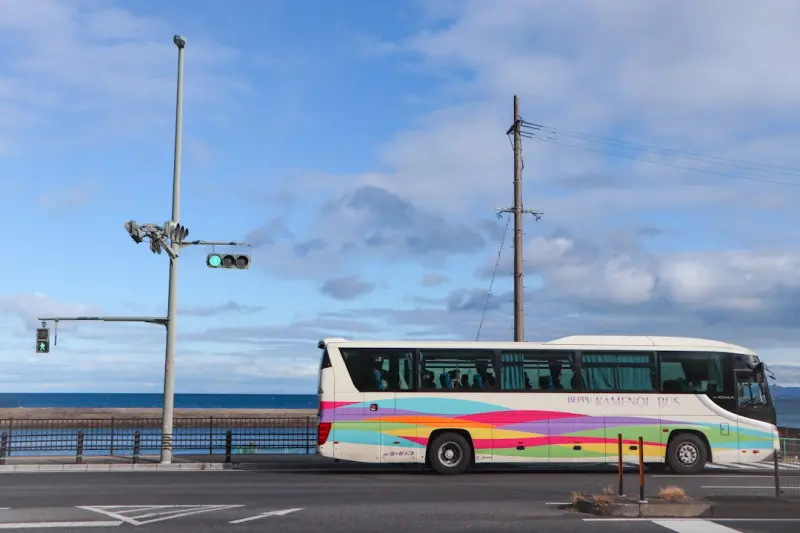
While cruise ships have the luxury of space, bus tours excel at intimacy and flexibility. The latest wave of narrative bus tours leverages the same storytelling principles but adapts them for land‑based journeys.
Take the Railway Rebels series—a multi‑day bus tour following the historic trans‑continental railway line. Travelers receive a “passport” at the start, which is stamped after completing challenges like “decode the conductor’s log” or “interview a local historian.” The bus itself is transformed into a mobile “story hub,” with wall panels displaying period photographs and speakers playing ambient sounds of steam whistles and prairie winds.
These tours often partner with regional museums and heritage sites, turning each stop into a “chapter climax.” The result is a cohesive narrative that feels like a traveling theater production rather than a collection of disjointed attractions.
Why Narrative Travel Resonates With Modern Audiences
There are psychological and practical reasons why story‑driven travel is gaining traction:
- Memory Retention: Humans remember stories better than facts. A traveler who solves a mystery on a cruise is more likely to recall the experience years later.
- Emotional Connection: Engaging with characters and plot creates an emotional bond, turning a simple vacation into a personal milestone.
- Social Currency: Unique, shareable moments—like posting a photo in a pirate costume on deck—provide social media clout that traditional sightseeing lacks.
- Customization: Narrative structures can accommodate different levels of involvement, from casual observers to full‑time role‑players.
Designing a Narrative Journey: The Playbook
For operators looking to dip their toes into this trend, consider the following framework:
- Identify a Core Theme: Choose a story that aligns with your brand and destination. It could be historical (e.g., “The Gold Rush Trail”), culinary (e.g., “Spice Routes”), or fantastical (e.g., “Mythical Sea Creatures”).
- Map the Plot Beats: Break the journey into acts—setup, rising action, climax, resolution. Assign each day or major stop to a beat.
- Integrate Interactive Elements: Use puzzles, QR codes, live actors, or AR experiences to move the plot forward.
- Collaborate with Local Talent: Partner with historians, chefs, or theater groups to ensure authenticity.
- Leverage Technology Wisely: Mobile apps can deliver clues, track progress, and reward participants with digital badges.
- Measure Engagement: Track participation rates, merchandise sales, and post‑trip surveys to refine the narrative for future voyages.
Budget‑Friendly Narrative Travel: Making the Magic Accessible
One common misconception is that immersive experiences are only for luxury travelers. In reality, many operators use clever cost‑saving tactics. For instance, budget-friendly travel planning can involve bundling storytelling elements into existing services—like turning a standard safety briefing into a pirate code tutorial—without adding significant expense.
Furthermore, using local talent rather than hiring international actors can reduce costs while boosting community involvement. The result is a win‑win: travelers receive a rich experience, and destinations benefit from economic infusion.
On‑Board Culinary Storytelling: A Taste of the Narrative
Food is a natural narrative device. Many cruise lines now design menus that follow the plot, with each course representing a chapter. A recent trend is to partner with chefs who craft dishes that double as clues. For example, a “smoked cod” might hint at a maritime mystery, while a “spiced mango sorbet” could point to a tropical treasure.
These culinary adventures are more than gimmicks; they deepen immersion. As diners discuss the flavors, they also discuss the story, fostering community among passengers. To see an example of how culinary innovation can elevate travel, check out this piece on culinary innovations on board.
Technology as the Narrative Conductor
While the heart of story‑driven travel is human interaction, technology acts as the conductor, ensuring the plot stays on track:
- Mobile Apps: Deliver daily “chapters,” push notifications for clues, and allow participants to log discoveries.
- Augmented Reality: Transform a ship’s deck into a haunted shoreline or a bus window into a moving mural of historic events.
- RFID Wristbands: Track participation, unlock secret compartments, or grant access to exclusive “behind‑the‑scenes” areas.
The key is to keep tech seamless—no one wants a clunky interface that distracts from the story.
Case Study: The Great Lakes Legend Cruise & Bus Combo
One pioneering project combined a lake‑front cruise with a land‑based bus tour, creating a cohesive two‑part narrative about indigenous folklore and early settler history. The cruise began with a dramatized “call of the spirits” as the ship entered Lake Superior. Passengers received a handcrafted “totem token” that unlocked a secret compartment on the bus for the next leg.
On land, the bus traveled to historic ports where local storytellers performed oral histories that tied directly into the ship’s opening act. The culmination was a night‑time lantern ceremony on a secluded beach, where participants placed their tokens into a communal fire, symbolizing the closing of the story arc.
The project’s success metrics were impressive: a 40% increase in repeat bookings, a 25% boost in onboard merchandise sales, and a surge in social media mentions featuring the hashtag #GreatLakesLegend.
Challenges and How to Overcome Them
Implementing narrative travel isn’t without hurdles. Here are common challenges and practical solutions:
- Logistical Complexity: Coordinating story beats across multiple venues can be daunting. Solution: Use a “story board” software that aligns timelines, tasks, and responsibilities.
- Participant Diversity: Not all travelers want to act. Solution: Offer tiered participation levels—spectators can enjoy the scenery, while “actors” engage deeper.
- Maintaining Authenticity: Over‑themed experiences can feel gimmicky. Solution: Ground stories in genuine local culture and involve community experts.
- Cost Management: Production value matters. Solution: Reuse sets and props across voyages, and incorporate storytelling into existing staff training.
Future Outlook: The Convergence of Travel, Gaming, and Narrative
Looking ahead, the line between travel and interactive entertainment will continue to blur. We’re already seeing:
- Live‑Action Role‑Playing (LARP) Cruises: Entire decks become fantasy realms where passengers embark on quests.
- Gamified Loyalty Programs: Travelers earn points for completing story challenges, unlocking exclusive cabins or private tours.
- Hybrid Reality Experiences: Combining physical props with virtual overlays, turning a historic lighthouse into a “portal” to another era.
Operators that embrace these trends will not only differentiate themselves but also tap into a growing market of experience‑hungry travelers.
Getting Started: A Quick Starter Kit for Operators
If you’re ready to experiment, begin with a pilot:
- Select a Micro‑Story: Choose a simple narrative that can be delivered over a single day.
- Design One Interactive Element: A puzzle, a role‑play, or a QR‑code scavenger hunt.
- Test with a Small Cohort: Gather feedback from a focus group of loyal customers.
- Iterate and Scale: Refine based on feedback, then expand the story arc across the full itinerary.
Remember, the goal isn’t perfection on the first try; it’s to spark curiosity and lay the groundwork for richer experiences down the road.
Conclusion: Storytelling Is the New Destination
In an age where travelers seek meaning as much as scenery, the marriage of narrative and transportation offers a powerful new paradigm. By turning cruises and bus tours into moving storybooks, operators can create unforgettable journeys that resonate long after the tickets are stowed away. Whether you’re a seasoned operator or a boutique adventure startup, the canvas is wide open—pick a theme, write the plot, and let the seas and highways become your stage.

Related Posts
Savor the Journey: Food‑First Cruises and Bus Tours Redefine Travel
A fresh look at how food‑centric itineraries on cruise ships and bus tours are turning ordinary tr... Read More

Charting Personalized Horizons: How Data Is Redefining Cruises and Bus Tours
Explore the rise of hyper‑personalized travel, where data and AI craft bespoke cruise and bus tour... Read More

Unlocking the Hidden Benefits of Cruise‑Bus Combo Journeys
Explore the unique advantages of pairing cruises with bus tours, from logistics and loyalty programs... Read More
Top Posts
Inaugural Flow Fest Beer Festival Set to Take Place Saturday, July 26
Get ready for a new summer tradition! The Niagara Falls Exchange is proud to present the inaugural Flow Fest Beer Festival in partnership with Counterpart Brewi...Read More

Micro‑Movements and Tiny Diet Tweaks: The Simple Way to Supercharge Everyday Health
Learn how micro‑movements, simple fermented foods, and a screen‑free evening routine can boost circulation, gut health, and sleep—all in a few minutes a d...Read More

AI‑Crafted Itineraries: How Smart Tech Is Redefining Cruises & Bus Tours
Discover the rise of AI‑driven personalization in cruises and bus tours, from health‑focused itineraries to real‑time adjustments, and learn how travelers...Read More

Riding the Tariff Wave: A SaaS Playbook for Uncertain Trade Winds
Tariffs affect more than hardware costs—they ripple through SaaS operations, talent acquisition, and pricing. This guide shows how to map exposure, diversify ...Read More
0 Comments
Post Comment
You will need to Login or Register to comment on this post!