

Why Multi‑Modal Adventures Are the Next Big Wave in Travel
When I first stepped aboard a sleek river cruiser for a weekend getaway, I expected the usual cocktail‑hour chatter and panoramic decks. What I didn’t anticipate was the seamless transition that awaited me at the dock: a state‑of‑the‑art electric bus that whisked me off to a hidden mountain village, where the night sky felt like a private theater. That moment sparked a revelation—travel is no longer confined to a single vessel. The future belongs to hybrid journeys that blend the elegance of cruises with the flexibility of modern bus tours.
The Rise of the “Cruise‑Bus Fusion” Experience
Traditional cruises have long capitalized on the allure of all‑inclusive luxury. Meanwhile, bus tours have carved a niche by offering cost‑effective, ground‑level immersion. The convergence of these two models is driven by three powerful forces:
- Environmental stewardship: Travelers are demanding lower‑carbon footprints, and operators are responding with electric fleets and hybrid propulsion.
- Story‑centric itineraries: Modern explorers crave narratives that weave together sea, land, and culture.
- Technological integration: Real‑time data, contactless ticketing, and AI‑enhanced recommendations make coordinated travel smoother than ever.
When you combine the spacious decks of a cruise with the intimate, door‑to‑door access of a premium bus line, you create a travel tapestry that feels both grand and personal.
Designing a Seamless Transition: Lessons from Niche Cruises
One of the most insightful case studies comes from From Deck to Doorstep: How Niche Cruises Turn Travel Into Storytelling. That article highlighted how boutique cruise lines have begun to treat the shore excursion as an extension of the onboard narrative. By curating experiences that start on the ship and continue ashore, they keep the emotional thread unbroken.
Applying the same principle to bus tours means rethinking the “end of the ride.” Instead of dropping passengers off at a generic terminal, operators can schedule a coordinated cruise docking that aligns with a pre‑planned bus itinerary. Think of it as a relay race where each vehicle passes the baton of experience, not just passengers.
Eco‑Smart Logistics: The Role of Micro‑Mobility Hubs
Integrating electric buses into cruise ports isn’t just a novelty—it’s a strategic move toward sustainability. The Micro‑Mobility Hubs blueprint showcases how cities can repurpose dockside space for charging stations, shared scooters, and compact shuttle services. When cruise lines partner with local transit agencies to install such hubs, they achieve two outcomes:
- Reduced emissions: Electric buses produce zero tailpipe emissions, cutting the overall carbon budget of the trip.
- Enhanced community benefit: Residents gain access to high‑quality, low‑cost transportation that remains after the tourists have left.
In practice, a cruise ship might dock at a port equipped with a micro‑mobility hub, allowing passengers to board an electric bus that takes them to inland attractions, hiking trails, or heritage sites—without the need for separate car rentals or fossil‑fuel taxis.
Curating the Narrative: From Oceanic Legends to Alpine Folklore
Travel storytelling has evolved beyond glossy brochures. Today’s adventurers want a plot that evolves with each leg of the journey. A successful cruise‑bus fusion itinerary might look like this:
- Day 1 – Sea Voyage: Sail along a coastal archipelago, learning the maritime myths of local fishermen.
- Day 2 – River Transfer: Transfer to a solar‑powered river bus that glides through historic waterways, stopping at villages where centuries‑old legends are still told around communal fire pits.
- Day 3 – Mountain Ascent: Board a low‑emission mountain bus that ascends to a remote plateau, where indigenous storytellers share oral histories that connect the sea to the sky.
Each segment reinforces the previous one, turning a simple vacation into an evolving saga.
Smart Bundling: Making Hybrid Trips Affordable
One concern travelers often voice is cost. The good news is that the Smart Bundling mindset—originally applied to SaaS procurement—translates beautifully to travel packages. By bundling cruise cabins, bus tickets, and on‑shore experiences into a single purchase, operators can:
- Negotiate bulk discounts with transportation partners.
- Offer transparent pricing, reducing the “hidden fee” anxiety.
- Provide value‑added perks like complimentary shore‑side meals or exclusive access to local workshops.
The result is a product that feels premium without the premium price tag, opening the market to younger, budget‑conscious explorers.
Technology as the Glue: Real‑Time Coordination
Behind the polished veneer of a hybrid trip lies a sophisticated digital backbone. Real‑time APIs sync ship arrival times with bus departure schedules, automatically adjusting for weather delays or unexpected dock traffic. Mobile apps push notifications to guests, showing boarding gates, estimated travel times, and even suggested activities based on current location.
Furthermore, data analytics can personalize the experience. If a passenger shows a preference for art galleries, the system can recommend a stop at a local studio during the bus segment. This level of customization mirrors the personalized playlists you get on streaming services—only the “songs” are destinations.
Community Impact: Turning Tourism into a Two‑Way Street
Hybrid journeys have the unique ability to distribute tourist traffic more evenly. Traditional cruise itineraries concentrate visitors in a handful of mega‑ports, straining infrastructure and inflating prices for locals. By extending the journey inland via electric buses, travelers reach smaller towns that benefit from the economic infusion.
These communities can, in turn, showcase authentic crafts, farm‑to‑table cuisine, and cultural workshops that would otherwise be lost in the noise of major attractions. The partnership model encourages locals to become co‑creators of the travel story, fostering pride and preserving heritage.
Practical Tips for Travelers Ready to Dive In
If you’re intrigued by the idea of a cruise‑bus hybrid adventure, here are some actionable steps to get started:
- Research operators that tout sustainability. Look for certifications like “Carbon Neutral” or “Electric Fleet.”
- Check for bundled packages. Packages that include both ship and bus components often offer better value and smoother logistics.
- Plan for flexibility. Choose itineraries with built‑in buffer times, so a delayed docking doesn’t cascade into missed bus connections.
- Engage with local guides. Many hybrid tours partner with community ambassadors who can provide insider perspectives that a generic guidebook can’t match.
- Pack smart. Bring layers that work both on deck (cool sea breezes) and on the road (mountain chill).
Remember, the goal is to let the journey itself tell a story, not just the destinations you check off a list.
Looking Ahead: The Next Evolution of Multi‑Modal Travel
As climate policies tighten and travelers demand more immersive experiences, the cruise‑bus fusion model is poised to become a cornerstone of the industry. Imagine a future where a single ticket grants you access to a solar‑powered cruise ship, a high‑speed electric coach, and a network of shared micromobility pods that whisk you between hidden alleys and bustling markets.
In that world, the line between “sea” and “land” blurs, and the journey becomes a fluid, continuous narrative—one that respects the planet, empowers communities, and satisfies the modern wanderer’s appetite for authentic storytelling.
Final Thought: Your Story Awaits
The next time you hear the call of the ocean, don’t feel compelled to stay anchored there. Let the horizon guide you onto the road, and let the road guide you back to the sea. In the marriage of cruise elegance and bus‑tour agility, you’ll discover a travel experience that’s not just seen, but truly lived.

Related Posts
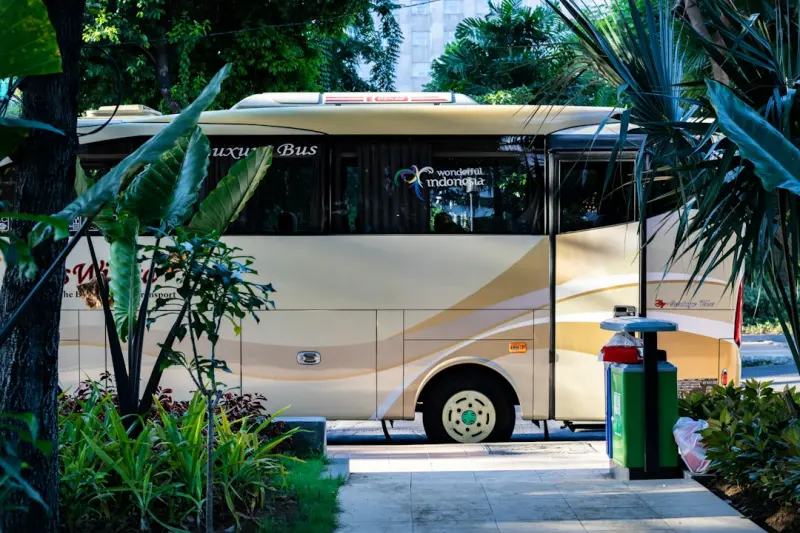
Why Hybrid Cruise‑Bus Adventures Are the Next Big Thing
The post reveals how merging cruise and bus tours offers unmatched flexibility, immersive storytelli... Read More
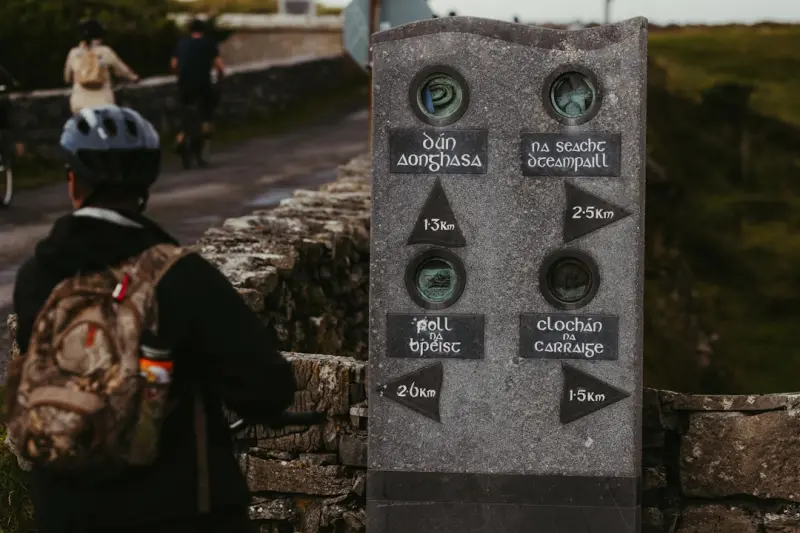
Charting a Greener Course: Sustainable Adventures on Water and Road
A deep dive into the latest green technologies, community‑centric itineraries, and practical tips ... Read More

Rediscovering the Charm of Rural Tourism: A Journey Off the Beaten Path
Explore the best of rural America and discover the charm of small towns and countryside destinations... Read More
Top Posts

Tariff Turbulence: Redefining Tech Procurement in a Shifting Trade Landscape
Tariffs reach far beyond customs desks, affecting every layer of tech procurement—from hardware costs to cloud pricing. This article reveals hidden cost chain...Read More

From Ballots to Bytes: Canada’s Digital Democracy Revolution
Canada is poised to transform its electoral system with a secure, inclusive digital voting platform that could increase turnout, cut costs, and boost the tech s...Read More
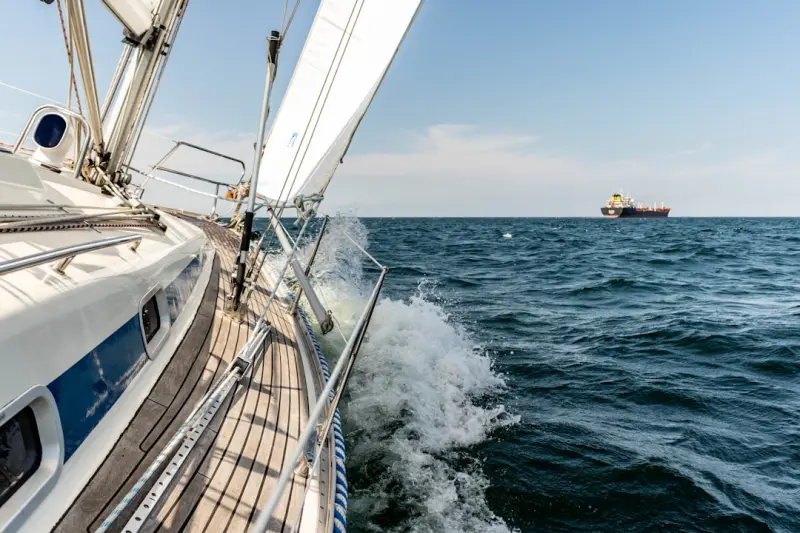
Beyond the Horizon: Leveraging Boutique Cruises and Curated Bus Tours for High‑Impact Business Experiences
Boutique cruises and curated bus tours are emerging as powerful platforms for corporate retreats, blending purposeful programming, sustainability, and subtle te...Read More

Provincial Power Plays: Redrawing Canada’s Federal Map
Regional parties in Canada are forging strategic alliances, leveraging digital platforms, and influencing federal policy, signaling a shift toward a more decent...Read More
0 Comments
Post Comment
You will need to Login or Register to comment on this post!