
Why Zero‑Waste Gastronomy Is the Hottest Trend on Every Chef’s Radar
When I first walked into a restaurant that proudly displayed a “scrap‑to‑plate” menu, I thought it was a gimmick—a clever marketing stunt to attract the eco‑savvy crowd. Six months later, after tasting a carrot‑top consommé that sang louder than any garnish I’ve ever seen, I realized this movement isn’t just a fad. It’s a full‑blown culinary revolution that’s reshaping how we think about food, profit margins, and creativity in the kitchen.
The Numbers That Make the Case
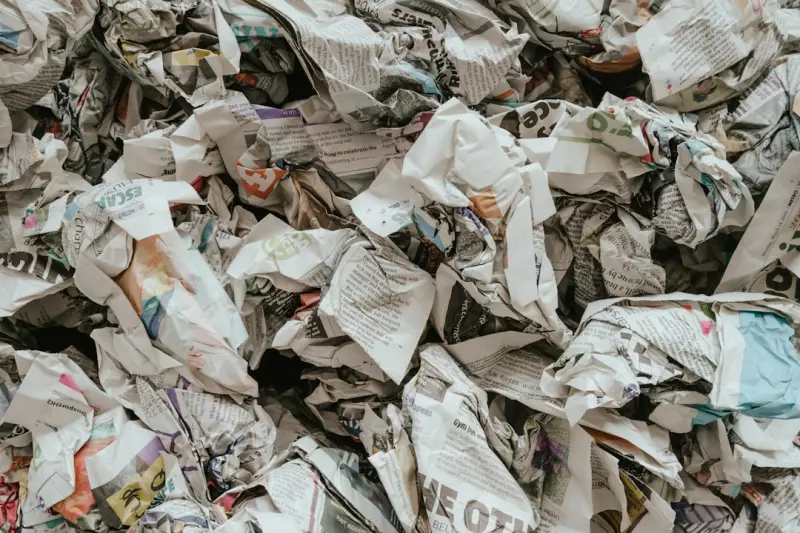
According to the Food and Agriculture Organization, roughly one‑third of all food produced for human consumption never makes it to our plates. That translates to over 1.3 billion tons of edible material ending up in landfills each year. The environmental cost is staggering: methane emissions, wasted water, and squandered labor. For the hospitality industry, that waste also means lost revenue—up to 15 % of a restaurant’s food budget can be attributed to avoidable waste.
Zero‑waste gastronomy tackles these numbers head‑on. By turning what was once considered “trash” into a star ingredient, chefs are re‑claiming both flavor and profit.
From Kitchen Scraps to Starters: The Core Techniques
- Root‑to‑Leaf Cooking: Instead of discarding stems, leaves, and peels, chefs incorporate them into stocks, sauces, and even fresh salads. A kale stem sautéed with garlic becomes a crunchy side that rivals any boutique micro‑green.
- Fermentation & Preservation: Fermenting vegetable skins, fruit pits, or coffee grounds creates complex flavors while extending shelf life. Think of forgotten grains and fermentation techniques that unlock umami in the most unexpected places.
- Upcycled Ingredients: Companies now sell “upcycled” powders made from spent grain, fruit pomace, or spent coffee grounds. These powders can be dusted over desserts, blended into dough, or used as a protein boost in smoothies.
- Creative Rendering: Rendering animal fat from bones and skins provides a rich cooking medium that reduces the need for purchased oils.
- Dehydration & Powderization: Drying vegetable peels and grinding them into fine powders adds texture and flavor to dishes without the waste of fresh produce.
Chef Spotlights: Pioneers Leading the Charge
Every culinary revolution needs its champions, and the zero‑waste scene has its share of bold innovators:
- Chef Lina Ortega (Mexico City): Her “Papelón & Peel” tasting menu uses the entire pineapple—skin, core, and crown—creating a progressive palate that tells a story of the fruit’s lifecycle.
- Chef Marco Bianchi (Toronto): By collaborating with local farms, he turns spent beet pulp into a vibrant violet dust that seasons his signature beet‑infused risotto.
- Chef Aisha Malik (London): Her “Fridge‑First” philosophy mandates that every plate begins with an ingredient sourced from the day’s kitchen waste, ensuring nothing goes unused.
These chefs aren’t just cutting costs; they’re redefining what luxury and sustainability can look like on a plate.
How Home Cooks Can Join the Movement
If you’re not a Michelin‑starred chef, don’t worry—zero‑waste cooking is just as accessible at home. Here’s a practical roadmap to start turning your kitchen leftovers into culinary gold:
- Audit Your Waste: Spend a week noting every piece you throw away. You’ll be surprised how much “trash” is actually edible.
- Build a Stock Base: Keep a pot of simmering bones, vegetable scraps, and herb stems in the fridge. Use it as a foundation for soups, sauces, and gravies.
- Embrace Fermentation: A simple jar of brined carrot tops can become a tangy relish in days. Experiment with kimchi‑style fermentations using cauliflower stems or onion skins.
- Invest in Tools: A quality dehydrator or a high‑speed blender can transform tough peels into silky powders or sauces.
- Plan Around Upcycled Products: Look for ingredients like “spent grain flour” or “coffee cherry pulp” at specialty grocers.
The Business Case: Profit, Brand, and Consumer Loyalty
Restaurants that adopt zero‑waste practices often see a measurable lift in their bottom line. A case study from a mid‑size bistro in Vancouver revealed a 12 % reduction in food costs after implementing a comprehensive scrap‑to‑stock program. Moreover, diners are increasingly seeking authenticity and sustainability. When a menu proudly displays “upcycled beet dust” or “carrot‑top broth,” it signals a brand that cares—an emotional hook that can drive repeat business.
From a marketing perspective, the story itself is gold. Social media thrives on visual narratives, and a chef’s journey turning banana skins into a caramel sauce is share‑worthy content that can boost online engagement and foot traffic.
Technology’s Role in Scaling Zero‑Waste
While the core philosophy is simple—use everything—technology is accelerating its adoption. AI‑driven inventory platforms now predict which ingredients are likely to become waste, prompting chefs to create “pop‑up” dishes before the items spoil. Smart sensors in refrigerators can alert staff when produce is nearing its prime, nudging them to incorporate it into the day’s specials.
These innovations dovetail nicely with the broader trend of micro‑travel culinary quests, where food‑focused travelers seek out hyper‑local, sustainable experiences. Restaurants that showcase zero‑waste menus become natural pit‑stops for these adventurous eaters, creating a virtuous cycle of exposure and demand.
Community Initiatives: Turning Waste into Opportunity
Beyond individual kitchens, community programs are amplifying the impact of zero‑waste gastronomy:
- Food Rescue Networks: Organizations collect surplus produce from farms and grocery stores, redistributing them to restaurants willing to incorporate them into dishes.
- Zero‑Waste Pop‑Up Series: Cities like Toronto and Melbourne host monthly events where chefs compete to create the most delicious dish using a mystery basket of “waste” ingredients.
- Educational Workshops: Culinary schools now offer modules on waste reduction, teaching the next generation of chefs to think sustainably from day one.
These initiatives not only reduce landfill contributions but also foster a culture of collaboration across the food ecosystem.
Challenges and How to Overcome Them
Adopting zero‑waste practices isn’t without hurdles. Some common challenges include:
- Perception of Quality: Diners may associate “scrap” ingredients with lower quality. Solution: Elevate the presentation and storytelling—highlight the flavor profile and sustainability benefits.
- Regulatory Barriers: Certain jurisdictions have strict rules about using animal parts or raw waste. Solution: Work closely with local health authorities and ensure rigorous sanitation protocols.
- Supply Consistency: Relying on waste streams can be unpredictable. Solution: Build relationships with multiple suppliers and maintain a flexible menu that can pivot based on available ingredients.
Addressing these issues head‑on ensures that zero‑waste gastronomy remains a viable, long‑term strategy rather than a passing curiosity.
Future Outlook: From Niche to Norm
Looking ahead, I see zero‑waste gastronomy becoming as ubiquitous as farm‑to‑table. As climate concerns intensify and consumers demand greater transparency, the pressure on kitchens to minimize waste will only grow. Expect to see:
- Standardized Upcycled Ingredient Labels: Much like organic certifications, clear labeling will help diners identify truly sustainable products.
- Hybrid Menus: Traditional dishes reimagined with waste‑derived components, offering familiar flavors with a modern, responsible twist.
- AI‑Curated Recipes: Algorithms that suggest ingredient pairings based on the waste generated in a given day, optimizing both taste and efficiency.
When that future arrives, the line between “waste” and “wonder‑ingredient” will be blurred—perhaps forever.
Take the First Step Today
Whether you’re a chef, a home cook, or a food‑service manager, the power to transform waste into wonder is in your hands. Start small: stock a pot of vegetable broth, experiment with a fermented peel, or order a jar of upcycled flour. Celebrate each success, share your creations on social media, and invite your community to join the movement. The more we embrace zero‑waste gastronomy, the more deliciously sustainable our future becomes.

Related Posts

Smoked Cocktails at Home: A Guide to Crafting Aromatic Drinks
Discover the art of smoked cocktails—choose the right wood, master safety, craft infused spirits, ... Read More
Zero‑Waste Cocktail Renaissance: How Bars and Home Mixologists Are Redefining the Pour
Explore the rise of zero‑waste mixology, from upcycled bitters and data‑driven inventory to comm... Read More

Fermenting the Future: How Ancient Techniques Revive Modern Menus
Fermentation isn’t just a trend—it’s a powerful tool for flavor, preservation, and wellness. D... Read More
Top Posts

Understanding the Canadian Elections: What Makes Each Party Unique?
With the Canadian elections just around the corner, it's essential to understand the key differences between the various political parties vying for power. Each...Read More

Tech‑Savvy Angling: How Ontario Fishermen Are Riding the Digital Wave
Ontario anglers are blending tradition with technology—using smart sensors, drones, and community data platforms—to enhance their fishing experience, promot...Read More

When Tariffs Meet Everyday Life: A Fresh Look at Hidden Costs
Explore the unseen impact of tariffs on daily purchases, from gadgets to groceries, and find out how you can navigate and influence trade policies for better fi...Read More

Canada’s Digital Health Frontier: AI, Wearables, and Virtual Care
A deep dive into Canada’s evolving health landscape, highlighting AI‑driven predictive analytics, wearable technology, and conversational interfaces that to...Read More
0 Comments
Post Comment
You will need to Login or Register to comment on this post!