
Why Sprouting Is the Quiet Game‑Changer You’ve Been Overlooking
When most people think about “healthy foods,” the mind instantly jumps to kale smoothies, quinoa bowls, or the latest superfood powder. Those options certainly have merit, but there’s a low‑tech, ultra‑nutritious practice that’s been quietly thriving in backyards, kitchens, and even office break rooms for centuries: sprouting. The humble act of soaking a seed, rinsing it a few times a day, and watching it burst into a tiny green powerhouse can reshape the way you think about nutrition, waste, and even your relationship with food.
The Science Behind the Sprout
At the heart of sprouting lies a biochemical transformation. As a seed awakens, enzymes kick into gear, breaking down stored starches, proteins, and fats into more digestible forms. This process dramatically raises the bioavailability of vitamins (especially vitamin C and many B‑vitamins), minerals (iron, zinc, magnesium), antioxidants, and phytonutrients. In fact, studies have shown that alfalfa sprouts can contain up to 40 % more vitamin C than the mature plant, and mung bean sprouts can boost their protein content by a factor of three during the sprouting window.
But the benefits don’t stop at sheer nutrient density. Sprouts also contain a rich suite of enzymes—such as amylase, protease, and lipase—that aid digestion. These enzymes help your gut break down complex carbohydrates, proteins, and fats more efficiently, reducing the likelihood of bloating and improving overall nutrient absorption.
From Kitchen Counter to Nutritional Powerhouse
What makes sprouting truly revolutionary is its accessibility. No fancy equipment, no subscription box, just a jar, a piece of cheesecloth, and a bit of patience. The most common seeds you can sprout include:
- Alfalfa – a classic for sandwiches, offering a delicate crunch.
- Mung beans – perfect for Asian‑inspired dishes, with a slightly sweet flavor.
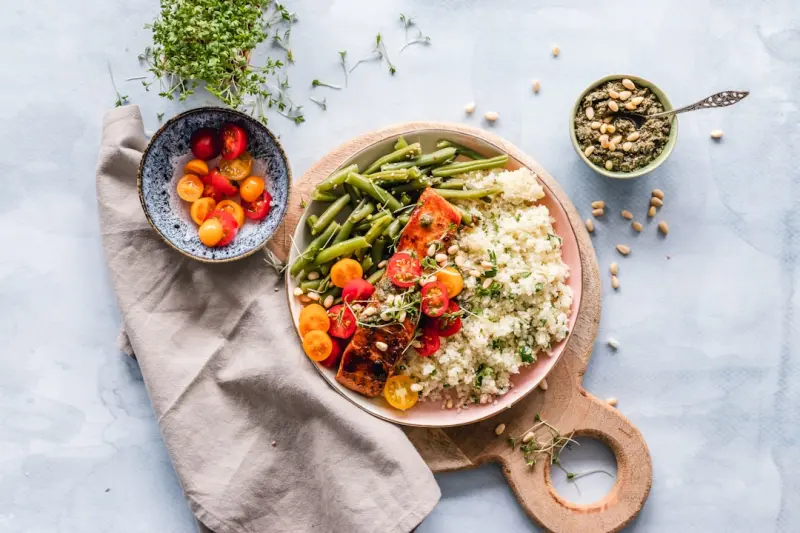
- Lentils – a protein‑packed option that works well in salads or as a topping for grain bowls.
- Broccoli – known for its sulforaphane content, a potent antioxidant linked to anti‑inflammatory benefits.
- Radish – adds a peppery bite, excellent in tacos or avocado toast.
Each of these seeds, once sprouted, provides a unique texture and taste profile, allowing you to customize meals without relying on processed “superfood” powders. The result? A vibrant, nutrient‑dense addition that can be tossed into anything from a post‑workout smoothie to a hearty winter stew.
Sprouting and the Modern Health Narrative
In an era where data‑driven wellness is booming, sprouting offers a tangible, hands‑on way to engage with your own nutrition. While Preventive Health in the Age of Connectivity explores how wearable tech tracks steps and sleep, sprouting puts the power directly in your kitchen. You can see growth, feel textures, and even smell the subtle changes as the seed transitions from dormant to thriving. This sensory feedback reinforces mindful eating habits, encouraging you to think more consciously about the origins of each bite.
Zero Waste Meets Sprouts
One of the biggest challenges in sustainable eating is food waste. According to recent research, up to one‑third of all food produced for human consumption is discarded. Sprouting is a natural ally in the fight against waste. By using seeds that would otherwise be shelved or overlooked, you’re extracting maximum nutrition from a tiny amount of raw material. Moreover, the water you rinse sprouts with can be repurposed for watering indoor plants, completing a micro‑cycle of reuse.
For those looking to dive deeper into waste‑reduction strategies, the principles explored in Zero‑Waste Gastronomy align perfectly with sprouting. Both practices champion the idea that every part of an ingredient has value, and both encourage creativity in the kitchen.
Integrating Sprouts into Everyday Meals
Now that you understand the why, let’s get practical. Below are five versatile ways to make sprouts a staple without feeling like you’re forcing a new trend into your routine.
- Morning Power Smoothie – Toss a handful of broccoli sprouts into a banana‑berry blend. The sprouts add a subtle green note while boosting antioxidant content.
- Fresh Salad Booster – Replace croutons with radish sprouts for a peppery crunch, and drizzle with lemon‑tahini dressing for an extra zing.
- Sandwich Upgrade – Layer alfalfa sprouts on turkey or tempeh sandwiches for added texture and a vitamin C punch that helps iron absorption from plant proteins.
- Stir‑Fry Finale – Add mung bean sprouts in the last minute of cooking a vegetable stir‑fry. They retain a crisp bite and soak up the sauce’s flavor.
- Soup Garnish – Sprinkle lentil sprouts on top of creamy tomato soup for a protein boost and a pleasant bite contrast.
These ideas prove that sprouts don’t have to be a side project; they can become the connective tissue of your meals, adding both nutrition and interest.
Addressing Common Concerns
While sprouting is generally safe, there are a few myths worth debunking:
- “Sprouts are always risky for foodborne illness.” – The risk exists, but it can be minimized by using high‑quality seeds, maintaining rigorous hygiene (rinsing at least twice daily with clean water), and ensuring sprouts are stored at refrigeration temperatures after the first 48 hours.
- “I need a fancy sprouting kit.” – A simple mason jar, a piece of breathable cloth, and a rubber band are all you need to start. The key is consistency in rinsing and draining.
- “Sprouts won’t last long.” – Properly refrigerated sprouts can stay fresh for 5‑7 days. Their rapid growth cycle actually means they’re at peak nutrient content within that window.
Scaling Up: From Personal Habit to Community Movement
Beyond the individual level, sprouting can be a catalyst for community health initiatives. Imagine a local library hosting weekly “Sprout Workshops,” where participants learn to grow their own microgreens and share recipes. Schools could incorporate sprouting into science curricula, linking biology lessons with nutrition education. Even corporate wellness programs could distribute starter kits, encouraging employees to take a brief “sprout break” during the workday—a moment of mindfulness paired with a health boost.
Such grassroots efforts echo the spirit of Reinventing the Home Pantry, where rethinking everyday food practices leads to broader cultural shifts. By normalizing sprouting in public spaces, we reinforce the idea that healthy eating isn’t a boutique luxury—it’s an accessible, everyday activity.
Choosing the Right Seeds: Quality Over Quantity
Not all seeds are created equal. When selecting sprouting seeds, look for the following certifications:
- Organic – Guarantees no synthetic pesticides were used, reducing contamination risk.
- Non‑GMO – Ensures genetic modifications haven’t altered the seed’s natural nutritional profile.
- Food‑grade – Seeds marketed specifically for sprouting are processed under stricter sanitary conditions than those intended for planting.
Investing a bit more in reputable suppliers pays off in safety, taste, and nutrient density.
The Future of Sprouting: From Kitchen to Lab
While sprouting is an ancient technique, modern research is unlocking new possibilities. Scientists are exploring how to fortify sprouts with additional micronutrients, such as adding iron‑rich compounds during the soaking phase. Others are experimenting with mixed‑seed blends to create “super‑sprouts” that combine the sulforaphane of broccoli with the protein of lentils. These innovations suggest a future where the humble sprout could be engineered to address specific dietary deficiencies, offering a personalized nutrition tool that remains low‑cost and low‑impact.
Closing Thoughts: Embrace the Tiny, Reap the Mighty
The beauty of sprouting lies in its simplicity and its profound impact. In a world saturated with complex diets and pricey supplements, the act of turning a seed into a green burst of life is a reminder that nature’s most potent nutrition can be harvested in a jar on your countertop. By integrating sprouts into your daily routine, you’re not only boosting your own health—you’re joining a movement that champions sustainability, mindfulness, and community empowerment.
So next time you’re scanning the grocery aisle for the next “trend,” consider pausing at the seed section. Pick up a bag of alfalfa, lentils, or broccoli seeds, and start a small, thriving garden that feeds your body, your mind, and the planet.

Related Posts
Seasonal Swaps: Turning Everyday Meals into Nutrient Powerhouses
Explore a fresh approach to healthy eating by swapping out pantry staples for seasonal produce, supp... Read More

Wild Harvest: Turning Forest Finds Into Nutrient‑Rich Superfoods
Explore the power of wild foraged foods—learn safe identification, simple fermentation, and easy r... Read More

Sync Your Meals with Your Body Clock: The Chrononutrition Playbook
Learn the science behind chrononutrition and get a step‑by‑step meal schedule that fits a busy l... Read More
Top Posts

The Quiet Power Shift: How Canada's Provincial Parties Are Redefining National Debate
Provincial parties are no longer peripheral; their policy experiments, strategic alliances, and grassroots financing are forcing the federal government to adapt...Read More

Why Remote‑First Work Policies Are Reshaping Canadian Employment Law
Remote‑first work is more than a perk; it’s a legal transformation. This article breaks down jurisdictional challenges, health‑and‑safety duties, privac...Read More

Data‑Driven Flavor Pairing: Turning Numbers Into Delicious Surprises
Explore how leveraging data and simple tools can reveal surprising ingredient pairings, enhance culinary storytelling, and transform everyday cooking into a cre...Read More

Why Storytelling Is the New Compass for Cruises and Bus Tours
A deep dive into the rise of story‑centric voyages, showing how cruises and bus tours are turning itineraries into living narratives that captivate passengers...Read More
0 Comments
Post Comment
You will need to Login or Register to comment on this post!