
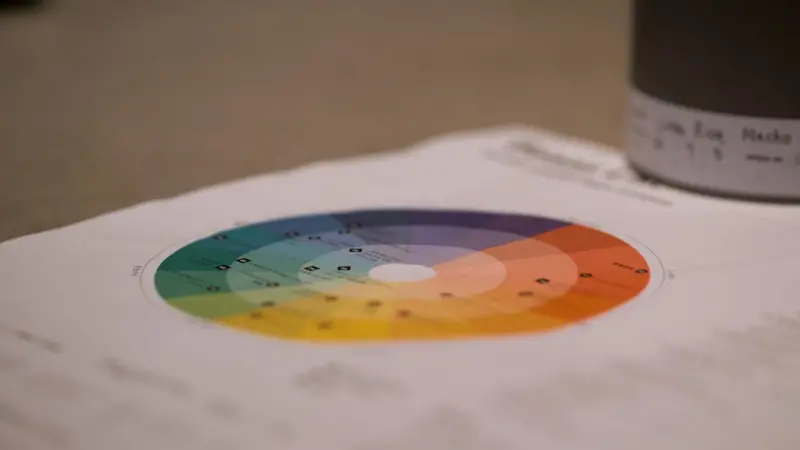
Why Your Plate Needs a Palette: The Science Behind Eating Colorful
When I first stepped into a farmer’s market with a bag of curiosity and a head full of tech‑savvy ideas, I realized the most compelling data point wasn’t a spreadsheet—it was the rainbow. The kaleidoscope of reds, oranges, yellows, greens, blues, and purples wasn’t just Instagram‑ready; it was a blueprint for better health. In this post, I’ll walk you through why a truly colorful plate does more than please the eye—it turbocharges nutrition, steadies blood sugar, and even lifts mood.
The Chromatic Blueprint of Nature
Every fruit and vegetable owes its hue to phytonutrients—natural compounds that plants produce to protect themselves from UV radiation, pests, and disease. These same compounds, when consumed, become allies in our own defense system. Here’s a quick cheat sheet:
- Red – Lycopene and anthocyanins (think tomatoes, watermelon, red peppers) support heart health and may lower cancer risk.
- Orange/Yellow – Beta‑carotene (carrots, sweet potatoes, mangoes) converts to vitamin A, essential for vision and immune function.
- Green – Chlorophyll, lutein, and folate (spinach, kale, broccoli) boost detox pathways and eye health.
- Blue/Purple – Resveratrol and flavonoids (blueberries, eggplant, purple cabbage) are powerful antioxidants that protect brain cells.
- White/Brown – Allicin, quercetin, and fiber (garlic, onions, mushrooms) support gut health and inflammation control.
When you string together a variety of these colors in a single meal, you’re essentially building a multi‑layered shield against chronic disease.
Color & Blood Sugar: A Match Made in Metabolic Heaven
One of the biggest challenges for anyone juggling a busy schedule is keeping blood‑sugar spikes at bay. The answer, surprisingly, is often as simple as adding a splash of color. Studies show that meals rich in anthocyanin‑laden berries or deep‑green leafy veggies slow carbohydrate digestion, flattening glucose curves. This isn’t magic; it’s the result of soluble fiber and polyphenols binding to starches, creating a more gradual release of glucose into the bloodstream.
Imagine swapping a plain white rice bowl for a quinoa‑based “rainbow bowl” loaded with roasted red peppers, orange carrots, golden beets, and a handful of blueberries. Not only does the plate look vibrant, it delivers a steadier energy release that keeps the dreaded mid‑afternoon crash at bay.
Mood‑Boosting Pigments
It’s not just your body that benefits—your mind does, too. The same anthocyanins that support heart health also interact with the brain’s neurotransmitters. Research from the University of Michigan indicates that diets high in colorful produce correlate with lower rates of depression and anxiety. The theory? Antioxidants reduce oxidative stress in the brain, and the bright visual stimulus triggers a dopamine response that feels rewarding.
So the next time you’re feeling “meh,” reach for a handful of vibrant cherries or a few slices of bright orange papaya. Your mood might just thank you.
Practical Strategies for a Color‑First Kitchen
Turning the concept into daily practice can feel overwhelming, especially when your schedule is already jam‑packed. Below are three actionable steps that fit into any lifestyle.
- Start with a “color checklist.” Keep a laminated sheet on your fridge that lists the six color categories. Each grocery trip, aim to pick at least one item from each row.
- Prep in batches, not minutes. Spend Sunday chopping a medley of vegetables—red bell peppers, yellow squash, purple cabbage, and green snap peas. Store them in airtight containers so you can toss a quick stir‑fry or salad throughout the week.
- Use the “rainbow rule” for plates. Before you sit down, glance at your plate. If you see more than two colors, you’re good. If not, add a garnish—sprinkle pomegranate seeds, a drizzle of beet‑infused vinaigrette, or a handful of fresh herbs.
Integrating Technology Without Losing the Human Touch
Now, you might wonder where the tech side fits into this colorful narrative. Remember that AI-driven home cooking revolution? While AI can suggest recipes based on your pantry, it can also guide you toward a more chromatically balanced diet. Imagine an app that scans your grocery list, flags any missing color groups, and auto‑generates a “rainbow recipe” to fill the gap. The future isn’t about replacing your instincts; it’s about augmenting them with data‑backed nudges.
Similarly, the principles of tiny health habits can be applied to color. A habit as small as “add one fruit of a different color to every breakfast” compounds over weeks, turning a bland routine into a vibrant ritual.
Seasonality: The Secret Ingredient for True Color
Eating with the seasons is a natural way to keep your plate colorful year‑round. Winter brings kale, Brussels sprouts, and blood oranges; spring offers asparagus, strawberries, and radishes; summer floods the market with tomatoes, corn, and blueberries; fall gifts us with squash, pomegranates, and apples. By aligning your meals with what’s naturally abundant, you not only support local farmers but also ensure you’re getting produce at its nutritional peak.
Beyond Produce: Adding Color with Whole Foods
While fruits and vegetables dominate the color conversation, other whole foods deserve love:
- Legumes – Red lentils and black beans add depth while delivering protein and fiber.
- Nuts & Seeds – Sunflower seeds (golden), pistachios (emerald), and goji berries (crimson) provide healthy fats and antioxidants.
- Spices & Herbs – Turmeric (bright orange), paprika (deep red), and matcha (vivid green) are flavor powerhouses that also bring health benefits.
Incorporating these elements expands your palette without relying solely on fresh produce, which can be especially handy during off‑season months.
Case Study: A Week in the Life of a Color‑Focused Professional
Monday – Breakfast: Greek yogurt topped with fresh blueberries and a drizzle of honey.
Lunch: Quinoa bowl with roasted red pepper, orange carrots, kale, and a handful of pomegranate seeds.
Dinner: Pan‑seared salmon, purple cabbage slaw, and a side of steamed green beans.
Tuesday – Breakfast: Smoothie of spinach, banana, mango, and a scoop of spirulina powder (blue‑green).
Lunch: Lentil soup with diced carrots, tomatoes, and a swirl of cilantro‑lime pesto.
Dinner: Stir‑fried tofu with snap peas, red onions, and a splash of turmeric‑infused coconut milk.
Continue this pattern, and you’ll notice a subtle shift: cravings become more balanced, energy steadier, and mood more resilient. The key isn’t strict perfection; it’s consistent variety.
Common Pitfalls and How to Dodge Them
- “Color but not nutrient” trap – Some processed foods use artificial dyes. Stick to natural sources; a bright orange candy isn’t a substitute for carrots.
- Over‑reliance on a single hue – It’s tempting to love strawberries and neglect greens. Remember the “six‑color rule.”
- Neglecting portion balance – Color is a guide, not a license to overload. Pair vibrant produce with protein and healthy fats for a complete meal.
Wrapping Up: Make Your Plate a Canvas
Healthy eating doesn’t have to be a chore, and it certainly doesn’t have to be a bland, monotone routine. By treating each meal as a canvas and each food group as a pigment, you unlock a simple, evidence‑backed strategy for better health, steadier energy, and a brighter mood. The next time you stare into your fridge, ask yourself: “What story do I want my plate to tell today?” Then, go paint it with nature’s richest palette.

Related Posts
Why Plant‑Powered Snacks Are the Secret Weapon for Modern Professionals
Explore the strategic benefits of plant‑based snacks for modern professionals, featuring scienceâ€... Read More

Unlocking the Hidden Synergy of Food Pairings for Peak Vitality
Explore the science of nutrient synergy and learn practical food pairings that enhance absorption, r... Read More
Unlocking Nutrient Synergy: How Smart Food Pairings Supercharge Your Health
Learn the science behind nutrient synergy and how pairing foods like tomatoes with healthy fats or s... Read More
Top Posts

Beyond Rent: Unpacking the Hidden Layers of Modern Cost of Living
A deep dive into the overlooked expenses—digital subscriptions, time costs, and lifestyle choices—that inflate modern living costs, plus actionable steps to...Read More
Unlocking Nature’s Pharmacy: How Everyday Ingredients Supercharge Your Health
Learn to transform everyday pantry items into powerful health allies with seasonal foraging, fermentation, ancient grains, and adaptogens, all while keeping cos...Read More

The Subscription Economy’s Hidden Impact on Your Wallet
An in‑depth look at how the rise of subscriptions—from streaming services to software—adds up, why it matters for your cost of living, and practical steps...Read More

How Canadian Farmers Are Reimagining Direct‑to‑Consumer Sales
A farmer’s personal journey reveals how direct‑to‑consumer models are reshaping Canadian agriculture, boosting local economies, and deepening community ti...Read More
0 Comments
Post Comment
You will need to Login or Register to comment on this post!