
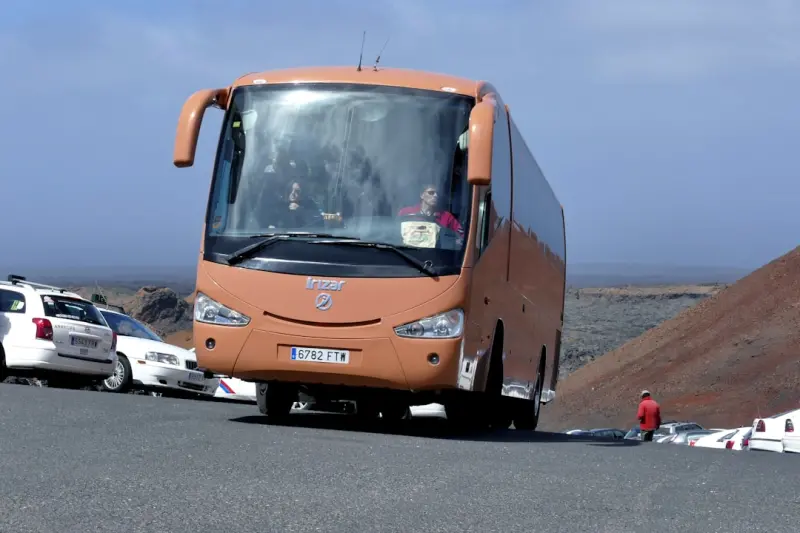
Why the Modern Cruise and Bus Tour Is the Ultimate Canvas for Creative Collaboration
When I first stepped aboard a sleek river cruiser after a long week of client demos, I expected the usual cocktail‑hour small talk and a scrolling Instagram feed of sunset selfies. Instead, I found a moving workshop, a floating think‑tank where ideas bounced off polished railings and the hum of the engine became a metronome for brainstorming. A few days later, on a cross‑country bus tour that threaded through small towns and vast prairie skies, the same spark ignited: a shared journey can transform the way teams generate, test, and refine concepts.
From “Just a Trip” to a Strategic Playground
For most B2B SaaS leaders, travel is a logistical hurdle—budget approvals, itinerary coordination, and the inevitable jet‑lag. But what if we flipped the script? Imagine positioning a cruise or a curated bus itinerary as a deliberate innovation sprint. The confined space, the predictable schedule, and the collective focus create a rare environment where distractions are minimized, yet inspiration is abundant.
On a cruise, the itinerary is pre‑set, freeing participants from the mental load of planning. On a bus tour, the changing scenery provides continuous visual prompts that can trigger fresh perspectives. Both formats inherently encourage shared presence, a psychological catalyst for trust‑building and risk‑taking that is notoriously hard to cultivate in a standard office setting.
Designing the Experience: The “Three‑Layered” Framework
To turn a voyage into a productive workshop, I’ve distilled the process into three layers: Setting, Rhythm, and Reflection. This framework works whether you’re on the deck of a luxury liner or the back seat of a vintage charter bus.
- Setting – Curate the physical and cultural backdrop. Choose a cruise that offers themed ports (e.g., tech hubs, historic trade cities) or a bus route that threads through industry clusters. Pair the setting with purposeful “micro‑sessions” like a design sprint at a local maker space or a fireside chat with a regional thought leader.
- Rhythm – Align the day’s cadence with the vessel’s schedule. On a cruise, morning briefings can coincide with sunrise on the deck; afternoon deep‑dives can be scheduled during the ship’s lull period. On a bus, leverage scheduled stops for pop‑up brainstorming cafés—quick, high‑energy gatherings that use the stop’s ambience as a stimulus.
- Reflection – Build in moments for personal synthesis. A sunset lounge on the ship or a quiet overlook after a scenic stretch offers the mental space to turn raw ideas into actionable notes.
Case Study: A SaaS Startup’s “Voyage‑to‑Market” Sprint
Last quarter, a mid‑stage SaaS startup partnered with a boutique cruise line to host a Voyage‑to‑Market sprint for its product team. Over five days, they blended traditional sprint activities with maritime experiences:
- Day 1 – Dockside Discovery: The team visited a coastal incubator, interviewing founders about go‑to‑market challenges. The fresh sea breeze seemed to wash away preconceived notions.
- Day 2 – Oceanic Ideation: While the ship cut through open water, the team ran rapid‑fire idea generation sessions on the deck, using the rhythmic roll of the hull as a timing cue.
- Day 3 – Deep‑Dive Prototyping: In a private conference suite, they built low‑fidelity prototypes, testing them with a small group of onboard guests who volunteered as “early adopters”.
- Day 4 – Port‑side Validation: Docking at a tech‑centric city, they met local investors and potential customers, gathering real‑world feedback that reshaped their pricing model.
- Day 5 – Charting the Course: The final session synthesized insights into a 30‑day launch plan, complete with measurable KPIs.
The result? A 27% acceleration in the product’s time‑to‑market and a renewed sense of camaraderie that persisted long after the ship returned to port. The immersive environment turned abstract strategic discussions into tangible, experience‑driven decisions.
Why Bus Tours Offer a Unique Edge
While cruises provide luxury and expansive horizons, bus tours excel at delivering authenticity and regional diversity. A pop‑up restaurant‑style dining experience at each stop can serve as a live case study for SaaS platforms targeting hospitality or retail verticals.
Moreover, the modest scale of a bus—typically 30‑50 passengers—creates a more intimate setting where every voice is heard. The shared journey fosters a “tribal” mindset, encouraging participants to think beyond individual silos and embrace collective problem‑solving.
Technology Meets Tradition: Enhancing the Voyage
Modern travelers expect connectivity, and SaaS teams can leverage that expectation to boost productivity:
- Onboard Collaboration Platforms: Deploy a dedicated workspace (e.g., a custom Slack channel) that syncs with the vessel’s Wi‑Fi, enabling real‑time document sharing and voting.
- Location‑Based Data Triggers: Use GPS data to push contextual prompts. When the bus passes a manufacturing hub, the system can surface market analytics relevant to that industry.
- Interactive Content Hubs: Offer tablets pre‑loaded with interactive case studies, videos, and quizzes that align with the day’s theme.
These tech enhancements should feel like natural extensions of the journey, not intrusive gadgets. The goal is to keep the focus on human interaction while providing the digital scaffolding that modern teams rely on.
Balancing Work and Play: The “Productivity‑Leisure” Equation
One of the greatest misconceptions about travel‑based workshops is that they sacrifice leisure for work. In reality, the blend of productivity and leisure creates a synergy that amplifies both. When participants return from a sunset yoga session on deck feeling refreshed, their cognitive bandwidth expands, allowing for deeper analytical discussions.
Similarly, a scenic bus ride through rolling hills can serve as a moving meditation, where ideas percolate without the pressure of a formal setting. The key is to design deliberate transitions—short, purposeful “reset” moments that signal a shift from work mode to relaxation mode and back again.
Measuring Success: Metrics That Matter
To justify the investment, companies should track both quantitative and qualitative outcomes:
- Idea Velocity: Number of viable concepts generated per hour compared to a standard office sprint.
- Engagement Index: Participation rates in sessions, measured through poll responses and chat activity.
- Post‑Trip Implementation Rate: Percentage of ideas that move into development within a defined timeframe.
- Team Sentiment: Survey results capturing morale, perceived cohesion, and creative confidence before and after the voyage.
When these metrics show uplift, the narrative shifts from “luxury expense” to “strategic catalyst”.
Choosing the Right Partner: What to Look For
Not all cruise lines or bus operators understand the nuance of a corporate innovation program. Here are three criteria to vet potential partners:
- Flexibility in Scheduling: Ability to allocate private spaces and adjust the agenda on the fly.
- Tech Infrastructure: Robust Wi‑Fi, power outlets, and support for collaborative tools.
- Cultural Alignment: A partner that embraces experiential learning and can provide local experts or unique venue access.
Ask for case studies—preferably from similar industries—to gauge their track record. A partner that can seamlessly blend hospitality with facilitation will become an extension of your own team.
Future Trends: Hybrid Journeys and Sustainable Impact
While sustainability is a hot topic, the next wave of innovation lies in hybrid journeys. Imagine a cruise that docks at a coastal tech hub, followed by a high‑speed rail segment that transports the team inland for a deep‑dive workshop, then circles back to sea for a reflective debrief. This fluid movement between modes maximizes exposure to diverse ecosystems while keeping the core focus on collaborative output.
In parallel, leveraging data from public information repositories can help tailor stop selections to align with market research objectives, turning each port or town into a live data point.
Takeaway: Turn the Voyage Into a Competitive Advantage
Whether you’re charting a course on a luxurious liner or cruising the backroads on a charter bus, the journey itself can become a strategic asset. By deliberately designing the setting, rhythm, and reflection moments, you turn a simple trip into a high‑impact innovation engine. The result is a team that returns not just with souvenirs, but with a portfolio of actionable ideas, strengthened relationships, and a renewed sense of purpose.
So the next time your calendar shows a blank slot for “team off‑site”, consider booking a voyage instead. The horizon is waiting, and the ideas that follow may just be the tide that lifts your entire organization.

Related Posts
Sailing Into Serenity: How Wellness Cruises and Eco Bus Tours Redefine Travel
Explore the rise of wellness cruises and eco‑friendly bus tours, a travel trend that blends mindfu... Read More
Beyond the Horizon: Turning Cruises and Bus Tours into Innovation Labs
Explore a proven framework that turns cruises and bus tours into high‑impact innovation labs, boos... Read More
Beyond the Horizon: How Modern Cruises and Bus Tours Turn Travel into Personal Storytelling
Discover how today’s cruises and bus tours blend niche themes, smart data, and eco‑friendly prac... Read More
Top Posts
The Evolution of Marketing in the Digital Age
The digital age has transformed marketing, making it essential to stay true to core principles: authenticity, creativity, and understanding human behavior. Lear...Read More
Ontario’s Hidden Night Fishing Hotspots: A Guide for the Modern Angler
Explore the rise of night fishing in Ontario with practical gear recommendations, top lake hotspots, safety tips, and how technology and community events are re...Read More

Bridging the Gap: How Digital Health Hubs Are Re‑Imagining Care in Canada’s Remote Communities
Digital health hubs are emerging across Canada’s remote regions, offering culturally tailored tele‑care, community‑owned data, and economic opportunities,...Read More
The Unseen Struggles of Rural Parenting: A Call for Support and Understanding
Rural parents face unseen struggles, from limited access to healthcare to isolation. Learn how we can support and uplift these communities....Read More
0 Comments
Post Comment
You will need to Login or Register to comment on this post!