
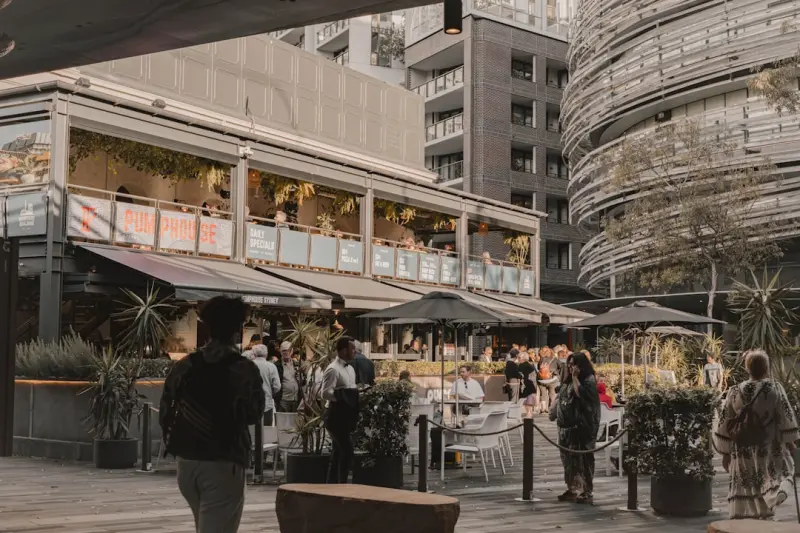
Why Pop‑Up Restaurants Are Redefining Urban Dining
Every time I walk past an empty storefront on a quiet side street, I wonder what could happen if those walls briefly came alive with the clatter of plates, the scent of fresh herbs, and a line of curious diners. In the past few years, that curiosity has turned into a full‑blown movement. Pop‑up restaurants—temporary, often experimental dining concepts—are no longer a fringe novelty; they’ve become a critical engine for culinary innovation, community engagement, and sustainable business practice. In this piece, I’ll unpack the forces propelling the pop‑up surge, explore the technology that makes fleeting venues possible, and lay out a practical roadmap for restaurateurs who want to dip their toes into the flash‑in‑the‑pan world without drowning.
The Pop‑Up Phenomenon Explained
At its core, a pop‑up restaurant is a short‑term culinary venture that occupies a space for anywhere from a single night to a few months. What separates a pop‑up from a pop‑up shop is the intent: it’s not just about selling a product; it’s about creating a story, a moment, an experience that feels exclusive because it’s fleeting. The concept taps into the human love of novelty and the fear of missing out (FOMO). When diners know a venue is only open for a limited window, they’re more likely to prioritize the reservation, share the experience on social media, and return for future events.
In many cities, the pop‑up wave has been catalyzed by rising real‑estate costs. Empty storefronts that would otherwise sit vacant for months become incubators for chefs testing new menus, entrepreneurs testing market demand, and artists blending food with performance. This “temporary tenancy” model reduces overhead, gives chefs creative freedom, and brings a burst of energy to neighborhoods that might otherwise feel stagnant.
Why Diners Crave Ephemeral Spaces
There are psychological triggers at play that make pop‑ups irresistibly attractive. First, scarcity creates urgency. Second, the novelty factor triggers dopamine release, making the dining experience feel more rewarding. Third, pop‑ups often experiment with themes—think “mid‑century modern supper club” or “zero‑waste street taco lab”—that ordinary restaurants rarely attempt. These experiments give diners a sense of participation in something avant‑garde, turning a meal into a cultural event.
Furthermore, the social media era has amplified this effect. A beautifully staged pop‑up dinner is a goldmine for Instagram stories, TikTok reels, and foodie blogs. The visual payoff of an unexpected setting—perhaps an abandoned warehouse turned into a moonlit garden—creates shareable content that drives foot traffic without a massive ad spend.
The Tech Behind the Flash
Technology has turned what once required weeks of planning into a process that can be executed in days. Cloud‑based reservation platforms let operators open a booking window, set capacity limits, and manage waitlists in real time. Mobile payment gateways streamline the checkout experience, allowing staff to focus on service rather than cash handling.
What’s especially exciting is the rise of AI‑driven storytelling. By feeding a generative model with the chef’s culinary philosophy, seasonal ingredients, and venue aesthetics, operators can automatically produce compelling marketing copy, menu descriptions, and even social media captions that resonate with target audiences. The result is a cohesive brand voice that feels handcrafted, even though it’s partially automated.
Another tech lever is real‑time chat ordering. Some pop‑ups integrate chat widgets on their landing pages, allowing curious visitors to ask menu questions, inquire about dietary restrictions, or secure a reservation instantly. This conversational commerce approach reduces friction, boosts conversion rates, and captures valuable data on diner preferences for future events.
Community and Collaboration at the Core
Pop‑ups thrive on collaboration. A chef may partner with a local farmer, a craft brewery, or a visual artist to curate a multi‑sensory experience. These collaborations not only diversify revenue streams but also reinforce community bonds. When a pop‑up sources herbs from a neighborhood rooftop garden, it creates a narrative that diners can feel good about supporting.
Beyond food, many pop‑ups double as platforms for social causes. A portion of the night’s proceeds might go to a local charity, or the menu could spotlight ingredients that raise awareness about food waste. This alignment of gastronomy with purpose deepens loyalty among socially conscious diners.
Sustainability in a Short‑Lived Format
Because pop‑ups operate on a limited timeline, they naturally lend themselves to low‑impact practices. Menus can be tightly curated around seasonal, locally sourced ingredients, minimizing waste. Temporary kitchen setups often use modular equipment that can be rented, reducing the need for permanent infrastructure. Additionally, many operators adopt a “zero‑waste” mindset, repurposing leftover ingredients into sauces, stocks, or even desserts.
When you pair this ethos with micro‑subscription dining clubs, the sustainability story becomes even richer. Diners can sign up for a series of pop‑up events at a discounted rate, guaranteeing a baseline attendance that helps chefs plan portions more accurately, further reducing excess.
The Financial Playbook for Restaurateurs
- Start Small, Scale Fast: Begin with a single‑night event in a low‑cost venue to test concept viability. Use the data gathered—reservation rates, average spend, menu popularity—to inform the next iteration.
- Leverage Partnerships: Negotiate revenue‑share agreements with venue owners instead of traditional lease terms. This reduces upfront capital and aligns incentives.
- Dynamic Pricing: Implement tiered ticket pricing based on demand. Early‑bird discounts encourage advance bookings, while premium “VIP” seats can offer added perks like a chef’s table experience.
- Data‑Driven Menu Design: Use point‑of‑sale analytics to identify best‑selling dishes and eliminate underperformers before they become costly waste.
- Cross‑Promote: Bundle pop‑up tickets with other local experiences—gallery tours, live music, or wellness classes—to increase perceived value and attract broader audiences.
By treating each pop‑up as a minimum viable product (MVP), restaurateurs can iterate rapidly, learn from each launch, and ultimately discover a concept that scales into a permanent location or a franchise model.
Risks and How to Mitigate Them
While the upside is compelling, pop‑ups carry distinct risks. Permitting and health‑code compliance can be a maze, especially in jurisdictions that lack clear guidelines for temporary food operations. To navigate this, work closely with local health departments early in the planning stage and consider hiring a consultant who specializes in pop‑up compliance.
Supply chain volatility is another challenge. Because pop‑ups often rely on niche, seasonal ingredients, a sudden shortage can derail the menu. Mitigate this by establishing backup suppliers and designing a flexible menu structure that can pivot around a core set of ingredients.
Finally, brand dilution is a concern. If a pop‑up’s concept is too eclectic or changes dramatically from one event to the next, diners may struggle to understand the chef’s identity. Maintain a unifying thread—whether it’s a signature technique, a recurring flavor profile, or a visual motif—to keep the brand coherent.
The Future Landscape: From Flash to Fixture
Looking ahead, I see pop‑ups evolving from pure experimentation to a strategic layer within larger restaurant portfolios. Established brands may launch “satellite” pop‑ups to test new cuisines before committing to a full‑scale rollout. Conversely, successful pop‑ups could transition into permanent storefronts, armed with proven demand data and a loyal following.
Emerging technologies—augmented reality menus, AI‑curated wine pairings, and blockchain‑verified sourcing—will further blur the line between temporary and permanent. Imagine walking into a vacant lot that, through AR glasses, transforms into a Parisian bistro, complete with a digitally projected sommelier. The experience is fleeting, yet the technology behind it is enduring.
In the end, the pop‑up model is a mirror of contemporary urban life: fast, fluid, and deeply connected to community narratives. For chefs, entrepreneurs, and diners alike, it offers a sandbox where risk is contained, creativity is amplified, and the city’s culinary map is constantly redrawn.
Conclusion: Embrace the Ephemeral
If you’ve ever felt constrained by the rigid structures of a traditional restaurant—fixed menus, long leases, static branding—consider the pop‑up as your creative escape hatch. It’s not a gimmick; it’s a strategic tool that, when executed with intention, can unlock new revenue streams, forge community ties, and push the envelope of sustainable dining. The next time you see an empty space, ask yourself: what could happen if we turned this vacancy into a culinary story worth telling?

Related Posts
Why Restaurants Are Turning to Membership Clubs to Build Loyalty and Predictable Revenue
A deep dive into the rising restaurant membership club model, exploring its financial benefits, desi... Read More

Turning Leftovers into Gold: Circular Strategies for Modern Restaurants
Learn how restaurants can transform prep scraps, unsold inventory, and plate waste into profitable s... Read More
Culinary Storytelling: Turning Menus into Brand Magic
A menu is more than a price list; it’s a story that can transform diners into loyal fans. Learn ho... Read More
Top Posts

Co‑ops, Cloud, and Community: The New Playbook for Canadian Farmers
Canadian farmers are turning to cooperative ownership, shared equipment, and cloud‑based marketplaces to strengthen resilience, access new markets, and build ...Read More

Why Human‑First Data Is the Secret Sauce for B2B Growth
Treat data as a conversation starter, not a scoreboard. This post explores how a human‑first approach to intent signals, personalized storytelling, and transp...Read More

AI‑Driven Outfit Curation: Redefining Prom and Graduation Style
Artificial intelligence is reshaping the way students choose outfits for prom and graduation, offering personalized recommendations, flexible rental options, an...Read More
Fields of Resilience: A Canadian Farmer’s Perspective on Change and Hope
Rose DesRochers shares her heartfelt, insider perspective on the trials and triumphs of Canadian farmers, highlighting resilience, innovation, and the power of ...Read More
0 Comments
Post Comment
You will need to Login or Register to comment on this post!