
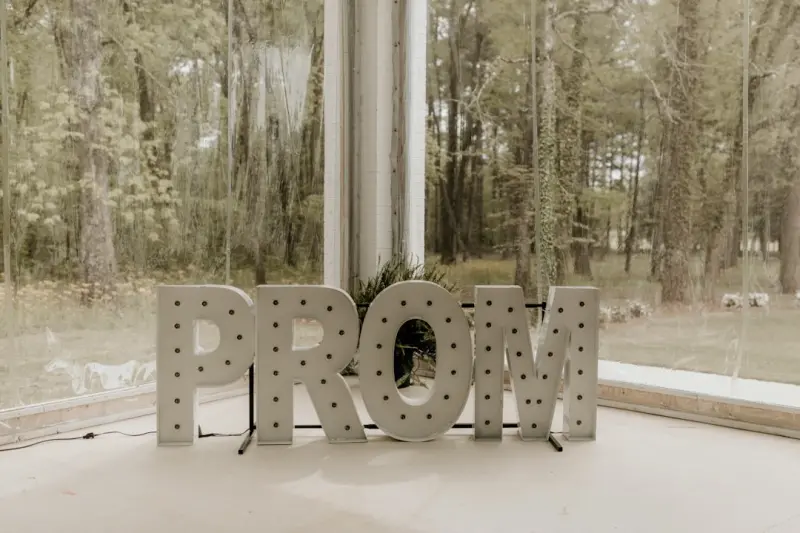
Why Your Big Night Deserves a Narrative, Not Just a Outfit
When I was a sophomore juggling algebra and a part‑time gig at a coffee shop, the idea of “prom” was a distant sparkle—something I’d read about in movies, not something I could picture for myself. Fast forward a few years, and I’m standing on the other side of the aisle, watching my niece twirl in her dress, her eyes wide with the same wonder I once felt. That moment made me realize that the real magic of prom and graduation isn’t the dress, the venue, or the Instagram filter. It’s the story we tell ourselves and others about that milestone.
The Power of a Narrative Framework
Stories are how humans make sense of change. Psychologists say that we construct identity through the chapters we write about our lives. When you frame prom or graduation as a narrative arc—an introduction, a rising action, a climax, and a resolution—you give the event purpose beyond the surface glitter.
- Introduction: The weeks of anticipation, the early planning, the first dress‑shopping trip.
- Rising Action: Friend debates over music playlists, the frantic scramble for tickets, the practice speeches.
- Climax: The moment the lights dim, the first dance, the confetti‑filled walk across stage.
- Resolution: The after‑party, the photo album, the quiet reflection on what comes next.
By consciously mapping these beats, you transform a night that could feel fleeting into a memory that endures.
Step One: Define Your Theme Before You Pick a Dress
Most of us start with “what should I wear?” but if you begin with a theme, the dress becomes a visual cue rather than the centerpiece. Ask yourself: What story do I want my night to tell? Maybe it’s “the fearless explorer”—a nod to a love of travel—or “the hometown hero,” celebrating community roots.
Once you have a theme, everything else falls into place: color palette, venue décor, even the playlist. Need inspiration on how to align your wardrobe with confidence? Check out this guide on dress strategies that empower confidence. While the article focuses on the outfit, the underlying principle—let your clothing echo the story you’re crafting—fits perfectly into this narrative-first approach.
Step Two: Curate a “Storyboard” of Moments
Think of your celebration as a short film. Create a simple storyboard on paper or a digital note app. Sketch out:
- Key moments you can’t miss (first dance, cap toss, speech).
- Mini‑scenes you want to capture (a secret handshake with best friends, a candid laugh with a favorite teacher).
- The emotional beats you want to hit (excitement, nostalgia, hope).
Having a visual plan helps you communicate with vendors, friends, and family. It also ensures you don’t spend hours scrolling through endless photo‑ops that don’t serve your story.
Step Three: Leverage Technology as a Storytelling Tool, Not a Gimmick
Tech can feel overused—think of the glitter‑filled AR filters that flood every event. But when used intentionally, it becomes a narrative enhancer. For example, set up a QR code at your venue that links to a curated playlist matching each segment of your evening. Or use a simple projection mapping to display meaningful photos as the backdrop during the speech.
For a deeper dive on how smart tech can elevate celebrations without feeling “future‑forward,” see smart tech in celebrations. The article offers a balanced view on integrating gadgets without losing the human touch.
Step Four: Build a “Memory Capsule” for the Future
Instead of relying solely on digital albums that get buried under the next viral meme, create a tangible memory capsule. Here are three ideas:
- Letter to Future Self: Write a note about your hopes and fears on the night. Seal it in a waterproof envelope and store it with your college acceptance letter.
- Snap‑to‑Print Station: Rent a small instant‑print photo booth. Let guests write a quick message on the back of each photo. In a few weeks, you’ll have a scrapbook filled with personal anecdotes.
- Time‑Stamped Video Diary: Record a 60‑second video right before the ceremony, answering “What am I most excited about?” Save it on a USB drive labeled with the date.
When you revisit these items years later, they serve as narrative anchors, reminding you of the emotions you felt in that moment.
Step Five: Invite Your Community to Co‑Create the Story
Prom and graduation are often marketed as personal milestones, but they’re also communal rites of passage. Involve friends, family, and even teachers in shaping the narrative. Here’s how:
- Collaborative Playlist: Use a shared Spotify link where each guest adds a song that reminds them of you. The final playlist becomes a soundtrack of collective memory.
- Story‑Sharing Circle: During the after‑party, allocate five minutes for anyone to share a short anecdote about the guest of honor. Record these snippets for a later “highlight reel.”
- Community Photo Wall: Ask attendees to bring a printed photo of a shared moment from high school (sports, drama, club events). Assemble them into a mosaic that represents the larger story you all lived together.
This co‑creation turns a single night into a collaborative narrative, reinforcing bonds and making the memory richer.
Step Six: Reflect and Reframe After the Event
Once the confetti settles, give yourself space to reflect. Write a short journal entry answering:
- What part of my story resonated most with me?
- Which moments felt off‑script, and why?
- How can I apply the storytelling mindset to upcoming life chapters?
This reflective practice helps you internalize the experience, turning a fleeting celebration into a personal growth milestone.
Bonus: Budget‑Friendly Storytelling Hacks
You might think a narrative‑driven celebration requires a big budget. Not true. Here are some low‑cost ideas that still pack a storytelling punch:
- DIY Projection: Use a laptop and a simple projector to display a slideshow of memorable photos during the ceremony. No fancy lighting needed.
- Hand‑Made Invitation Cards: Write a brief story on the back of each invite, teasing the theme of the night.
- Shared Social Media Hashtag: Create a unique, easy‑to‑remember hashtag. Encourage guests to post photos with captions that tie back to your narrative theme.
These tricks keep costs low while reinforcing the story you want to tell.
Putting It All Together: A Sample Narrative Timeline
Below is a sample timeline that illustrates how each step can flow seamlessly:
| Time | Activity | Story Element |
|---|---|---|
| 2 weeks before | Theme brainstorming session with friends | Define the narrative arc |
| 1 week before | Send out invitations with mini‑story teaser | Introduce the plot |
| Day before | Set up QR code playlist stations | Rising action (music builds tension) |
| Event night | Opening speech aligning with theme | Climax begins |
| After‑party | Story‑sharing circle & photo wall | Resolution and community bonding |
| Next day | Write reflection journal | Post‑event analysis |
This framework shows that with a little planning, you can turn any prom or graduation into a compelling narrative that feels both personal and universally resonant.
Final Thought: Your Story Is the Gift You Give Yourself
When the last song fades and the venue empties, the dress will be stored away, the decorations taken down, and the photos will live on a phone screen. But the story you crafted—its themes, its emotions, its community involvement—will sit quietly in your memory, ready to be revisited whenever you need a reminder of who you were at that pivotal moment.
So, the next time you hear someone say, “Just pick a dress and have fun,” you can smile and reply, “I’m actually curating a story. Want to help write the next chapter?”

Related Posts
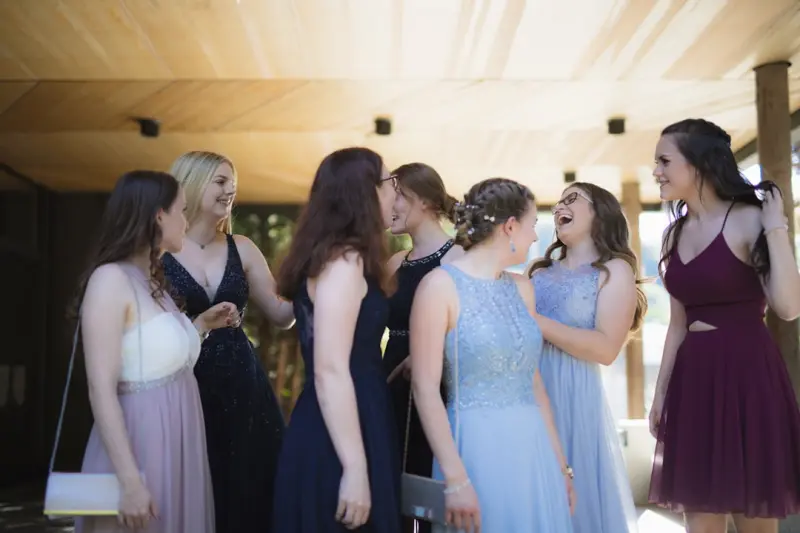
Beyond the Ballroom: Turning Prom and Graduation into a Community‑Powered Festival
A fresh take on senior celebrations: learn how to expand prom and graduation into a neighborhood fes... Read More

Crafting an Unforgettable Prom and Graduation Night on a Tight Budget
Learn how to plan a stunning prom or graduation celebration without overspending, using DIY décor, ... Read More
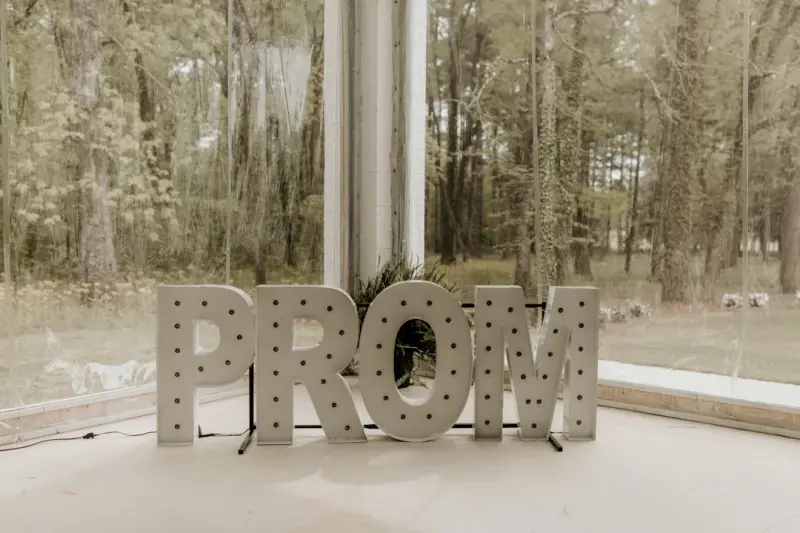
Crafting an Eco‑Smart Prom and Graduation Experience
A fresh, sustainable approach to prom and graduation planning that blends glamour, budget savvy, and... Read More
Top Posts

When AI Becomes Your Lawyer: Navigating the New Frontier of Automated Legal Advice
AI is reshaping legal services, offering speed and cost savings while raising liability, bias, and compliance concerns. This post unpacks the risks, regulatory ...Read More

Cost of Living as a Competitive Advantage: Turning Geography into Growth
A fresh look at cost of living shows it can be a strategic lever for SaaS companies, aligning compensation with real expenses, offering flexible benefits, and t...Read More

AI Health Dashboards: Turning Data Into Daily Vitality
An AI‑driven health dashboard consolidates wearables, sleep, and lifestyle data, offering personalized, privacy‑first nudges that turn everyday numbers into...Read More

Beyond the Waiting Room: How Canada Is Redefining Preventive Health Through Community Partnerships
A deep dive into Canada’s emerging preventive health ecosystem, highlighting open data, innovation labs, regenerative agriculture, and Indigenous-led programs...Read More
0 Comments
Post Comment
You will need to Login or Register to comment on this post!