
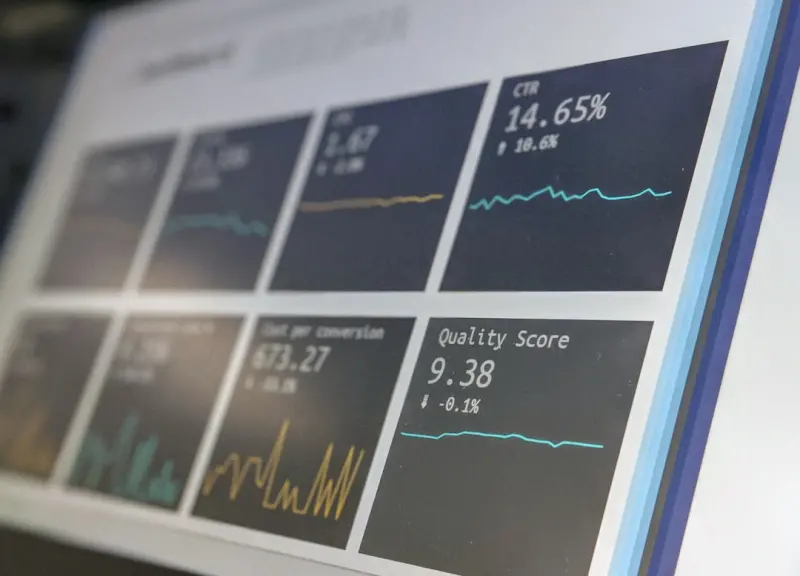
Why Data‑Driven Health Is the Next Wellness Frontier
When I first started tracking my own sleep, steps, and heart rate on a smartwatch, I thought I was merely indulging in a trendy hobby. Fast‑forward a few months, and those streams of numbers became the backbone of my daily decision‑making. The insight was simple yet profound: raw data is only as powerful as the story we extract from it. In a world saturated with health apps, wearables, and endless metrics, the real differentiator is an intelligent layer that translates those numbers into actionable habits. That layer is the AI‑powered personal health dashboard, a tool that consolidates fragmented health signals and presents them in a way that feels both personal and purposeful.
The Core Components of an AI Health Dashboard
Building a dashboard that truly serves its user involves weaving together several key ingredients:
- Unified Data Ingestion – Pulling data from wearables, nutrition logs, sleep trackers, and even calendar apps into a single, clean repository.
- Contextual AI Engine – Using machine learning to understand each metric in the context of the individual’s lifestyle, goals, and historical trends.
- Actionable Recommendations – Delivering concise, personalized nudges like “stretch for five minutes now” or “swap your afternoon coffee for a short walk”.
- Feedback Loop – Allowing users to confirm or reject suggestions, which refines the AI’s future predictions.
- Privacy‑First Architecture – Ensuring that personal health data stays encrypted, user‑controlled, and compliant with regulations.
These elements work together like a well‑orchestrated symphony, turning disparate data points into a cohesive health narrative.
From Raw Numbers to Real Action
The magic happens when the AI engine identifies patterns that would otherwise slip past human perception. Imagine you’ve logged a spike in heart rate variability during late‑night work sessions. The dashboard might notice that this correlates with a decline in deep‑sleep stages and suggest a short mindfulness break before your evening meeting. Or it could detect that your step count consistently drops on days when you schedule back‑to‑back video calls, prompting a reminder to stand up and stretch during the first ten‑minute break.
These nudges are not random; they are the result of intelligent pattern recognition that learns from your behavior over weeks and months. The more you interact with the system—by confirming that a suggestion helped or by adjusting a goal—the sharper its predictions become.
Privacy, Trust, and the Human Touch
Data security isn’t an afterthought; it’s the foundation of any health‑focused AI platform. Users need to feel confident that their most intimate metrics—blood pressure, stress levels, menstrual cycles—won’t be exposed or misused. Transparent data policies, end‑to‑end encryption, and user‑controlled permissions turn trust into a two‑way street.
Yet technology alone cannot replace the human element. A dashboard should act as a companion, not a commander. By offering options like “Snooze this tip for later” or “Explain why this matters,” the system respects autonomy and invites curiosity rather than imposing mandates. In practice, that means designing interfaces that speak the user’s language—simple icons, brief explanations, and a tone that feels encouraging.
Integrating Into Daily Routines
For a health dashboard to be more than a novelty, it must slip seamlessly into the flow of everyday life. Here are three practical ways to embed it without adding friction:
- Morning Briefings – A quick 60‑second snapshot that highlights sleep quality, hydration status, and the top priority for the day.
- Contextual Prompts – Real‑time suggestions that appear when the system detects an opportunity, such as a calendar gap that could accommodate a brief walk.
- Evening Reflections – A gentle review that celebrates wins (e.g., “You met your step goal 5 days this week”) and flags areas for improvement.
When these touchpoints feel natural, users start to treat the dashboard as a trusted ally rather than another app to manage.
Case Study: From Data Overload to Lifestyle Harmony
Consider Maya, a product manager who juggles multiple time zones and frequent travel. Initially, she logged every metric obsessively—heart rate, calorie intake, screen time—only to feel overwhelmed. After switching to an AI‑driven dashboard, Maya began receiving concise, context‑aware suggestions: a reminder to hydrate before a long flight, a breathing exercise before her evening presentation, and a recommendation to schedule a “digital sunset” 30 minutes before bedtime.
Within three months, Maya reported a 20% improvement in sleep efficiency, a noticeable reduction in perceived stress, and a renewed enthusiasm for her fitness routine. The turning point wasn’t more data; it was the interpretation of data that aligned with her personal rhythm.
Future Trends: What’s on the Horizon?
The next wave of AI health dashboards will likely incorporate:
- Multimodal Sensors – Combining wearable data with environmental inputs like air quality and ambient noise to refine recommendations.
- Predictive Health Alerts – Early warnings for potential issues such as elevated cortisol levels that could precede burnout.
- Collaborative Ecosystems – Allowing users to share selective insights with coaches, physicians, or teammates while maintaining privacy controls.
As these capabilities mature, the line between “wellness” and “preventive medicine” will blur, offering individuals a proactive shield against chronic conditions.
Balancing Innovation with Caution
While the promise of AI‑driven health dashboards is enticing, it’s essential to stay grounded. Over‑reliance on algorithmic suggestions can diminish self‑awareness, and false positives may cause unnecessary anxiety. Developers and users alike must champion a balanced approach: leverage AI for insight, but retain personal judgment and, when needed, professional medical counsel.
Moreover, equitable access remains a challenge. High‑end wearables and premium dashboards can be cost‑prohibitive, potentially widening health disparities. Open‑source initiatives and device‑agnostic platforms can help democratize these tools, ensuring that the benefits of data‑driven wellness aren’t confined to a privileged few.
Wrapping Up: Your Personal Health Dashboard Journey
At its core, an AI health dashboard is a conversation starter—one that asks you to reflect, act, and iterate. By converting streams of data into meaningful nudges, it empowers you to sculpt a lifestyle that feels both sustainable and rewarding. Whether you’re a remote professional, a frequent traveler, or simply someone looking to feel more balanced, the dashboard can serve as a quiet, intelligent partner on your path to better health.
Ready to explore how an intelligent health dashboard could reshape your daily routine? Dive deeper into the world of data‑driven wellness and discover practical steps to get started. For those curious about the broader ecosystem, you might also enjoy exploring rural health innovations that are reshaping access to care across the globe.

Related Posts

When Your Wristwatch Becomes a Therapist: The Quiet Revolution of Wearable Stress Tech
Wearable stress‑tracking devices are turning everyday moments into opportunities for mindfulness, ... Read More

Listening to Your Body: How Real-Time Biofeedback Is Rewriting Wellness
Real‑time biofeedback turns hidden physiological signals into clear, actionable data, empowering y... Read More

Evening Light, Evening Life: How Simple Nighttime Routines Can Recharge Your Brain
A detailed guide on using light, screen management, nutrition, movement, and journaling to transform... Read More
Top Posts
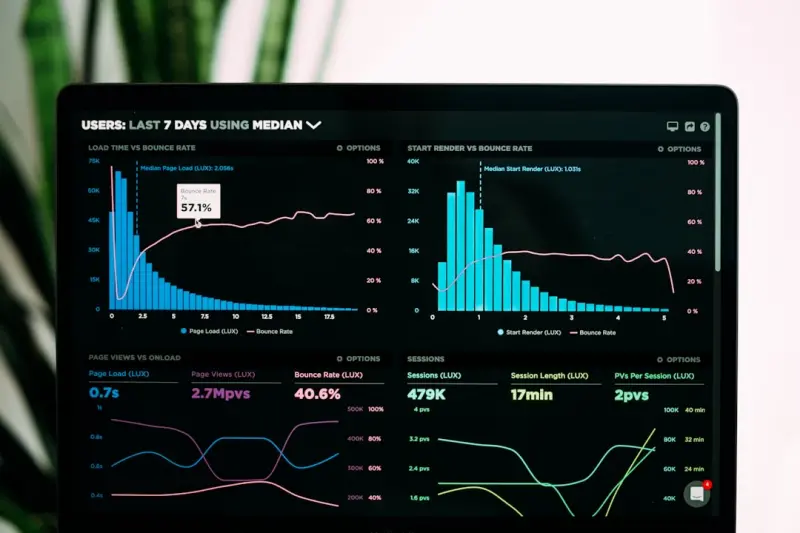
Civic Tech Revolution: How Open Data is Redefining National Engagement
Open data is transforming the relationship between governments, businesses, and citizens. This article examines the rise of civic tech, its economic and social ...Read More

Charting Connection: How Community‑Focused Cruises and Bus Tours Redefine the Travel Experience
Discover the hidden magic of group voyages—where sensory richness, proactive wellness, and community storytelling turn ordinary cruises and bus tours into unf...Read More

A Crisis Unfolding: Homelessness in Ontario Reaches Alarming Levels
Homelessness in Ontario has reached a critical point, with the number of homeless individuals nearly doubling in just two years. According to a report by The Tr...Read More

The Rise of NB.1.8.1: Ontario's Projected Dominant Strain and How to Protect Yourself
As the landscape of the COVID-19 pandemic continues to evolve, a new variant is poised to take center stage in Ontario. NB.1.8.1, a sublineage of the Omicron va...Read More
0 Comments
Post Comment
You will need to Login or Register to comment on this post!