
Why Fermentation Matters in a Modern Kitchen
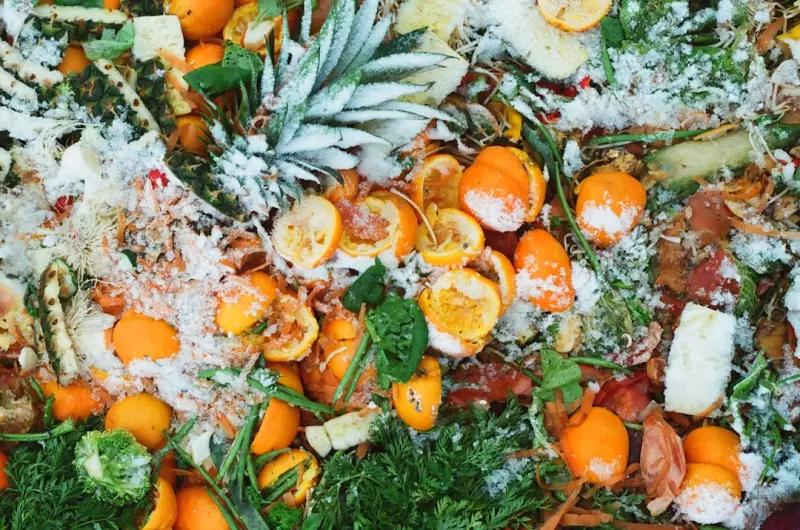
When I first stumbled upon a jar of tangy kimchi tucked behind the cereal aisle, I felt a spark of curiosity that quickly turned into a full‑blown obsession. Fermentation isn’t just a trendy buzzword; it’s a centuries‑old practice that turns humble, even forgotten, ingredients into vibrant, probiotic‑rich foods. In today’s world where food waste looms large, the humble jar becomes a quiet hero—transforming scraps and leftovers into culinary gold.
Beyond flavor, fermentation offers a natural preservation method that sidesteps the need for artificial additives. It also invites a deeper connection to the microbes that dance in our kitchens, reminding us that we share the space with billions of invisible partners. This partnership, when respected, yields dishes that are not only delicious but also gut‑friendly, supporting digestion and immunity.
The Science Behind the Bubbles
At its core, fermentation is a biochemical dialogue between microorganisms—mainly lactic‑acid bacteria, yeasts, and sometimes molds—and the food they inhabit. These microbes break down sugars and starches, releasing acids, alcohols, and carbon dioxide. The result? Acidity that preserves, complex flavors that surprise, and bubbles that add texture.
- Lactic‑acid fermentation – Think sauerkraut, pickles, and kefir. The bacteria convert sugars into lactic acid, giving a sour tang.
- Alcoholic fermentation – The process behind wine, beer, and kombucha, where yeasts turn sugars into ethanol and CO₂.
- Acetic‑acid fermentation – The stage that transforms alcohol into vinegar, adding brightness to dressings and sauces.
Understanding these pathways lets you predict how a given ingredient will evolve. For instance, a carrot shredded fine will ferment faster than a whole beet because the surface area is larger, allowing microbes quicker access to sugars.
Getting Started: Tools, Techniques, and Mindset
Launching a fermentation adventure doesn’t require a lab. A few kitchen staples suffice:
- Glass jars (wide‑mouth is ideal for easy access)
- Non‑metallic weight (ceramic or a clean stone to keep produce submerged)
- Air‑tight lids or a simple cloth and rubber band for fermentations that need occasional breathing
- Salt – Not just for flavor, but for creating an environment that favors beneficial bacteria while discouraging spoilage organisms
Start with a simple brine ratio: 2 % salt to water (20 g salt per litre). Dissolve, pour over your veggies, and ensure everything stays beneath the liquid surface. The magic begins within 24‑48 hours, but patience rewards deeper flavors.
Fermenting Common Leftovers: Turning Scraps into Starters
One of the most satisfying aspects of home fermentation is its ability to breathe new life into what would otherwise be discarded. Below are three favorite “scrap” projects that have become staples in my kitchen.
1. Pickled Green Bean Stems
After trimming green beans for a stir‑fry, the tender stems are perfect candidates for a quick lacto‑ferment. Slice them thin, submerge in brine, and let sit for three to five days. The result is a crisp, tangy snack that adds crunch to salads or sandwiches.
2. Carrot Top Kimchi
Many toss carrot tops without a second thought. Instead, blend them with garlic, ginger, Korean chili flakes, and a dash of fish sauce. Pack the mixture tightly, press with a weight, and ferment for a week. The leafy greens develop a complex, spicy tang that rivals traditional kimchi.
3. Bread‑Water Kvass
Stale sourdough or rye bread can become the base for a refreshing kvass—a low‑alcohol, probiotic beverage. Soak chunks of bread in water, add a handful of raisins, a pinch of sugar, and let ferment for two days. Strain, chill, and enjoy a mildly fizzy, earthy drink.
Flavor Pairings and Recipes to Inspire
Once you have a stash of fermented gems, the sky’s the limit for creative combos. Here are three recipes that showcase the versatility of home‑fermented ingredients.
Fermented Veggie Crunch Salad
Ingredients: mixed greens, fermented carrot top kimchi, pickled green bean stems, toasted sesame seeds, and a drizzle of soy‑ginger vinaigrette.
Method: Toss greens with the fermented veggies, sprinkle sesame seeds, and finish with the vinaigrette. The acidity cuts through the richness of the sesame, delivering a balanced bite.
Spicy Kvass Bloody Mary
Swap the traditional tomato juice base for chilled kvass, add vodka, Worcestershire sauce, horseradish, and a squeeze of lemon. Garnish with a fermented pickle spear. The kvass adds an earthy depth and subtle fizz that elevates the classic cocktail.
Fermented Beet Hummus
Blend canned chickpeas, a spoonful of fermented beet juice, tahini, garlic, and lemon. The fermented beet imparts a gentle tang and a vibrant pink hue, perfect for spreading on toast or serving with crudités.
Sustainable Kitchen Mindset: From Waste to Wonder
Fermentation dovetails beautifully with a zero‑waste philosophy. By extending shelf life, you reduce the frequency of grocery trips and the volume of food that ends up in landfills. Moreover, the process itself is low‑energy; no oven, no stovetop—just time and patience.
Embracing this mindset also means rethinking packaging. Reusable glass jars replace single‑use plastic containers, aligning your kitchen practices with broader environmental goals. The habit of labeling jars with dates and contents also fosters organization, making it easier to track what’s fermenting and when it’s ready.
Community and Sharing: The Social Side of Fermentation
Fermentation thrives on community. In many cultures, the practice is a communal ritual, with recipes passed down through generations. Today, the digital age offers new avenues for sharing: blogs, forums, and social media groups where enthusiasts swap tips, troubleshoot issues, and exchange jars.
One of my favorite moments was when a neighbor dropped off a batch of my fermented carrot top kimchi for a potluck. The conversation flowed from taste notes to the science of lactobacilli, and before we knew it, a small circle of curious cooks formed a weekly “Ferment Friday” where we each brought a jar to share.
If you’re ready to dive deeper into the intersection of data and culinary creativity, consider how the lessons from restaurants using data can inform your own kitchen experiments. Tracking fermentation times, temperature, and flavor development in a simple spreadsheet can turn guesswork into a repeatable art.
And while you’re at it, explore how the principles behind conversational AI in marketing might inspire you to create a chatbot for your recipe sharing group—automating reminders for when jars are ready to taste or offering flavor‑pairing suggestions on demand.
Finally, remember that the spirit of fermentation mirrors the ethos of building employee communities. It’s about nurturing a shared environment where each participant contributes to the collective health and flavor of the whole.
Wrapping Up: Your Fermented Future Awaits
There’s a quiet revolution happening on kitchen counters worldwide. It’s not about the flashiest gadgets or the most exotic ingredients; it’s about honoring the process, embracing the microbes, and turning what we once called “trash” into treasure. So, dust off those forgotten carrot tops, rescue those wilted bean stems, and let a jar of brine become your canvas.
Every bubble that rises is a reminder that change—whether in a jar or in a business—starts with a simple, patient step. Dive in, experiment, share, and watch your kitchen—and the planet—become a little brighter, one fermented bite at a time.

Related Posts

Sweet Success: Toronto Bakery Takes the Crown at Ontario's Best Butter Tart Festival
Downtown Midland was transformed into a haven for butter tart enthusiasts this past Saturday as Onta... Read More

City Streets, Gourmet Feasts: The New Frontier of Hyper‑Local Foraging
Explore the rise of hyper‑local foraging in cities, where wild greens, street fruit, and edible fl... Read More

Fermenting the Future: AI, Data, and the New Wave of Craft Beverages
A deep dive into how artificial intelligence and real‑time data are revolutionizing craft beverage... Read More
Top Posts

Charting a Digital‑Detox Voyage: Cruise Ships and Luxury Bus Tours Redefined
A fresh take on unplugging: learn to design a digital‑detox cruise or luxury bus tour that blends wellness, analog learning, and community for lasting mental ...Read More

From Soil to Screen: How Canadian Farmers Are Redefining Rural Resilience
A farmer’s eye view of the new era in Canadian agriculture—regenerative soil care, digital tools, mental‑health networks, and direct‑to‑consumer ventu...Read More

Beyond the Spotlight: A Post‑Celebration Playbook for Prom & Graduation
A comprehensive guide that helps graduates turn the excitement of prom and graduation into lasting momentum with smart budgeting, digital detox, community build...Read More

Beyond the Guidebook: Discovering Authentic Micro‑Destinations
Dive into the world of micro‑destinations—tiny towns, secret trails, and off‑beat experiences that let travelers forge genuine connections and travel resp...Read More
0 Comments
Post Comment
You will need to Login or Register to comment on this post!