
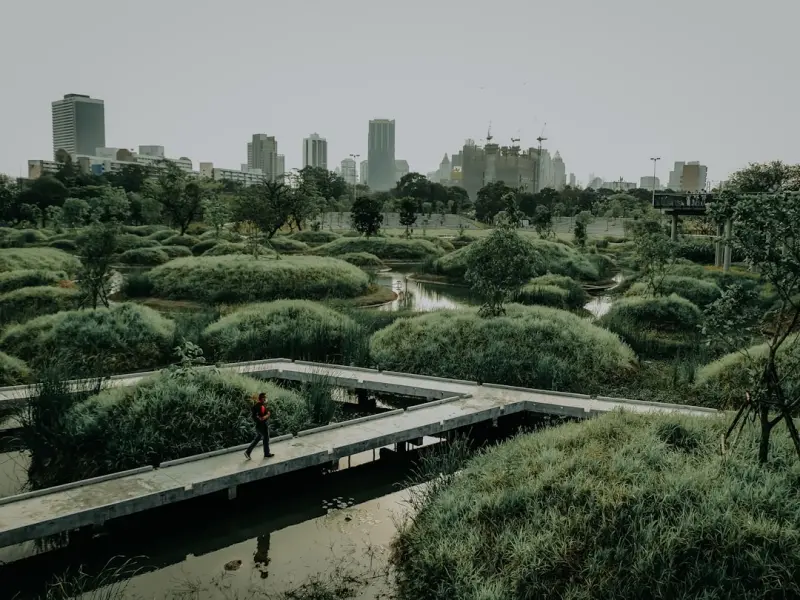
Urban Foraging: Discovering the City’s Hidden Edible Gems
When I first moved into a downtown loft, the thought of “fresh food” conjured images of farmer’s markets three blocks away, glossy grocery aisles, and the occasional weekend trip to a community garden. I never imagined that the concrete jungle could double as a pantry—one that doesn’t require a subscription, a delivery fee, or a weekly trip to the store. Over the past year, I’ve turned my curiosity into a habit, and my kitchen shelves now hold a modest but vibrant collection of wild greens, berries, and mushrooms that I’ve harvested from the very streets I walk daily.
Urban foraging isn’t a new concept; it’s a practice that dates back centuries when city dwellers supplemented their diets with whatever nature offered. What’s new is the resurgence of this practice among city professionals, creative chefs, and health‑conscious families who are looking for a more intimate connection to their food sources. In this post, I’ll share how you can start your own foraging adventure, the safety basics you need to know, and the surprising ways that wild edibles can transform both your meals and your mindset.
Why Forage in the City?
There are three main reasons I’ve fallen in love with urban foraging, and they might resonate with you too:
- Affordability: Wild edibles grow for free. A handful of dandelion leaves or a few clusters of blackberries can replace a pricey bag of specialty greens or a premium fruit basket.
- Flavor Explosion: The taste profile of wild foods is often more intense and complex than their cultivated counterparts. Think of the peppery bite of chickweed or the sweet, earthy notes of wood sorrel.
- Environmental Connection: Harvesting what’s already growing reduces the demand for intensive agriculture, cuts down on packaging waste, and encourages a deeper respect for the ecosystems thriving right outside our doors.
But beyond these practical perks, foraging offers a subtle shift in perspective. It turns a routine walk into a treasure hunt, a casual stroll into a lesson in ecology, and a simple meal into a story of place.
Getting Started: The Essentials
Before you head out with a basket, here are the tools and habits that will set you up for success:
- Field Guide or App: A reliable identification guide is non‑negotiable. Whether you prefer a pocket‑size book or a smartphone app, make sure it covers regional species and includes clear photos.
- Gloves and a Small Knife: A pair of lightweight gloves protects your hands from thorns and irritants. A sturdy, small blade makes clean cuts without damaging the plant’s root system.
- Reusable Containers: Opt for breathable cloth bags or sturdy mesh produce bags. They keep your finds fresh and reduce waste.
- Local Knowledge: Connect with a local foraging group, attend a workshop, or follow a knowledgeable mentor. Community expertise can be priceless, especially when navigating city ordinances.
Safety First: What to Avoid
Urban environments present unique challenges. Here’s a quick safety checklist to keep your foraging adventures risk‑free:
- Know the Law: Some parks, private properties, and protected areas prohibit plant removal. Always check local regulations before you start.
- Watch for Pollution: Avoid foraging near heavy traffic, industrial sites, or areas that may have been treated with chemicals. Look for signs of soil contamination or runoff.
- Positive Identification: Never consume a plant unless you are 100% certain of its identity. Many edible species have poisonous look‑alikes.
- Harvest Sustainably: Take only what you need, leave enough for wildlife, and cut at the base to encourage regrowth.
Prime Foraging Hotspots in the City
Every city has its own hidden pockets of edible bounty. Here are some typical locations where you’ll find a surprising variety of wild foods:
- Public Parks and Greenbelts: Lawns, meadow edges, and shaded understories often host dandelion, chickweed, sorrel, and wild garlic.
- Abandoned Lots: These neglected spaces are perfect for hardy greens like purslane and lamb’s quarters, which thrive in disturbed soils.
- Riverbanks and Wetlands: Water‑tolerant species such as cattail shoots, watercress, and marsh marigold flourish here.
- Rooftop Gardens: Many urban farms and community rooftops allow public foraging days. You can often find herbs, kale, and even edible flowers.
- Sidewalk Cracks: Believe it or not, you’ll find tiny wild strawberries and creeping thyme in the tiniest cracks.
From Field to Fork: Simple Recipes
Now that you’ve gathered your bounty, it’s time to let the flavors shine. Below are three beginner‑friendly recipes that highlight the unique qualities of wild edibles.
1. Wild Greens Pesto
Ingredients: A handful of chickweed, dandelion greens, or sorrel; ¼ cup toasted pine nuts; ½ cup olive oil; 1 garlic clove; a squeeze of lemon; sea salt to taste.
Method: Roughly chop the greens, then blend everything together in a food processor until smooth. Use it as a spread on whole‑grain toast, a drizzle for roasted veggies, or a toss‑in for pasta.
2. Blackberry & Walnut Summer Salad
Ingredients: Fresh blackberries; mixed wild greens (e.g., lamb’s quarters, purslane); toasted walnuts; crumbled goat cheese; a dressing of apple cider vinegar, honey, and a dash of mustard.
Method: Toss the greens with the dressing, then scatter the berries, walnuts, and cheese on top. The sweet‑tart contrast pairs beautifully with the peppery greens.
3. Mushroom & Herb Stir‑Fry
Ingredients: Hand‑picked oyster or shiitake mushrooms; fresh chives; thyme; a splash of soy sauce; a drizzle of sesame oil; sliced spring onions.
Method: Heat the sesame oil in a wok, add the mushrooms and herbs, stir‑fry for 3–4 minutes, finish with soy sauce and spring onions. Serve over brown rice or quinoa for a quick, nutritious meal.
Integrating Foraged Foods into a Modern Lifestyle
One of the biggest hurdles for busy professionals is consistency. How can you make foraging a regular part of your routine without it feeling like a chore?
First, set a forage day each month. Mark it on your calendar just like any other meeting, and treat it as a non‑negotiable appointment with nature. Second, blend your foraged finds into meals you already love. A handful of wild greens mixed into your weekday smoothie, or a few fresh berries tossed into your morning oatmeal, can seamlessly elevate everyday dishes.
Another practical tip is to use technology to your advantage. There are several apps that allow you to log your harvests, track seasonal availability, and even share surplus with neighbors. By digitizing the process, you turn a traditional practice into a modern, data‑driven habit. In fact, many of us have already seen how digital health tracking can empower better nutrition decisions. Applying the same mindset to foraging helps you stay mindful of what you’re consuming and where it comes from.
Saving Money Without the Subscription Trap
It’s tempting to rely on curated meal‑kit subscriptions for convenience, but those services often come with hidden costs—packaging waste, delivery fees, and the sheer price premium for curated ingredients. By incorporating wild edibles, you can cut down on the quantity of packaged produce you need to purchase each week. In a sense, foraging becomes a natural “subscription” that costs nothing but a bit of time and curiosity.
Consider swapping a portion of your weekly grocery list with a foraged alternative. Replace store‑bought kale with a mix of lamb’s quarters and purslane, or trade a bag of pre‑packaged berries for a handful of hand‑picked blackberries from a local park. Over time, these small swaps add up, freeing up budget for higher‑quality proteins or specialty items you truly love.
The Community Angle: Sharing the Harvest
One of the most rewarding aspects of urban foraging is the sense of community it fosters. After my first successful foraging outing, I invited a few neighbors over for a potluck featuring everything we’d gathered. The conversation flowed as freely as the wine, and soon we were exchanging tips on where to find the best wild garlic and how to preserve foraged mushrooms for winter.
If you’re hesitant about sharing, start small. Offer a few fresh berries to a coworker, or bring a wild‑green salad to a family dinner. These gestures spark curiosity and often lead to collaborative foraging trips, turning solitary walks into shared experiences.
Seasonality: Embracing Nature’s Calendar
Unlike grocery stores, which offer a year‑round supply of produce, wild edibles follow nature’s rhythm. This seasonality forces you to be creative and flexible. In early spring, you might focus on tender shoots of wild garlic and sorrel. Summer brings abundant berries and leafy greens, while autumn offers mushrooms and nut‑rich nuts.
By aligning your meals with these natural cycles, you not only enjoy peak flavor and nutrition but also develop a deeper appreciation for the ebb and flow of the ecosystem around you.
Potential Pitfalls and How to Overcome Them
Even with the best intentions, newcomers can encounter challenges. Here are a few common hurdles and practical solutions:
- Misidentification: If you’re unsure about a plant, set it aside and consult an expert before consuming. Many foragers keep a “question” folder in their field guide for ambiguous finds.
- Limited Yield: Wild plants often grow in modest quantities. To avoid scarcity, harvest responsibly and consider planting a small garden of easy‑to‑grow species like dandelion or chickweed in containers.
- Time Constraints: Use short, focused foraging trips—10‑15 minutes during a lunch break can yield enough greens for a salad.
- Legal Restrictions: If you’re unsure about the rules, opt for public spaces that explicitly allow foraging, or seek permission from property owners.
Beyond the Plate: Other Uses for Wild Plants
Wild edibles aren’t limited to cooking. Many have medicinal properties, fragrant aromas, or crafting potential. For instance:
- Herbal Teas: Dried yarrow, nettle, and mint make soothing infusions.
- Natural Dyes: The vibrant purple of elderberries or the golden hue of marigold petals can color fabrics and paper.
- Home Scents: Crushed rosemary or lavender sprigs release calming aromas perfect for a DIY diffuser.
Exploring these secondary uses adds depth to your foraging practice and opens up new avenues for creativity.
Looking Ahead: The Future of Urban Foraging
As cities become greener and more resilient, the line between built environments and natural habitats continues to blur. Initiatives like community‑managed “edible corridors,” rooftop farms, and municipal policies encouraging native plantings are creating richer ecosystems for foragers to explore.
In the coming years, I anticipate a rise in educational programs that integrate foraging into school curricula, workplace wellness initiatives that promote “green breaks,” and technology platforms that map safe foraging zones in real time. By participating now, you’re not only enriching your own diet but also contributing to a broader cultural shift toward sustainable, place‑based eating.
Final Thoughts
Urban foraging is more than a hobby; it’s a mindset that reframes how we see our surroundings. It reminds us that food isn’t just a commodity delivered to our doorsteps but a gift that can be found right beneath our feet. Whether you’re looking to stretch your grocery budget, elevate your culinary game, or simply reconnect with the natural world, the city’s hidden pantry awaits.
So lace up your comfortable shoes, grab a field guide, and step outside. The next delicious bite might be waiting on a park bench, a riverbank, or even the crack between two paving stones. Happy hunting!

Related Posts
Fermenting the Future: How Home‑Made Probiotic Foods Are Redefining the Kitchen
Fermentation is more than a culinary technique—it’s a movement. Discover how creating probiotic ... Read More
Why Street‑Food Snacks Are Becoming the New Home‑Cooking Frontier
Rose DesRochers uncovers the surge of street‑food inspired snacks at home, blending tech, sustaina... Read More

Urban Foraging: Turning City Streets Into Gourmet Ingredient Sources
Discover how city dwellers can turn sidewalks, parks, and vacant lots into a pantry of fresh, hyperâ... Read More
Top Posts

The Hidden Expenses Shaping Your Gig Economy Lifestyle
Freelancers often overlook hidden costs like subscriptions, health insurance, and transportation. This article breaks down those expenses and offers practical t...Read More

The Pop‑Up Kitchen Revolution: How Hyper‑Local Dining Is Redefining Restaurants
Discover the rise of hyper‑local pop‑up kitchens, where community spaces, sustainability, and sensory storytelling transform dining into a dynamic, neighbor...Read More
Powering the Prairie: How Canadian Farmers Are Turning Fields into Renewable Energy Hubs
Canadian farmers are pioneering renewable energy projects—wind turbines, solar arrays, biogas digesters—that transform fields into power hubs, diversify inc...Read More

Ferment Your Way to Better Health: A Home Chef’s Guide to Everyday Probiotic Magic
Megan Morris shares a practical, hands‑on guide to home fermentation, from starter recipes and essential tools to flavor pairings and wellness benefits, empow...Read More
0 Comments
Post Comment
You will need to Login or Register to comment on this post!