
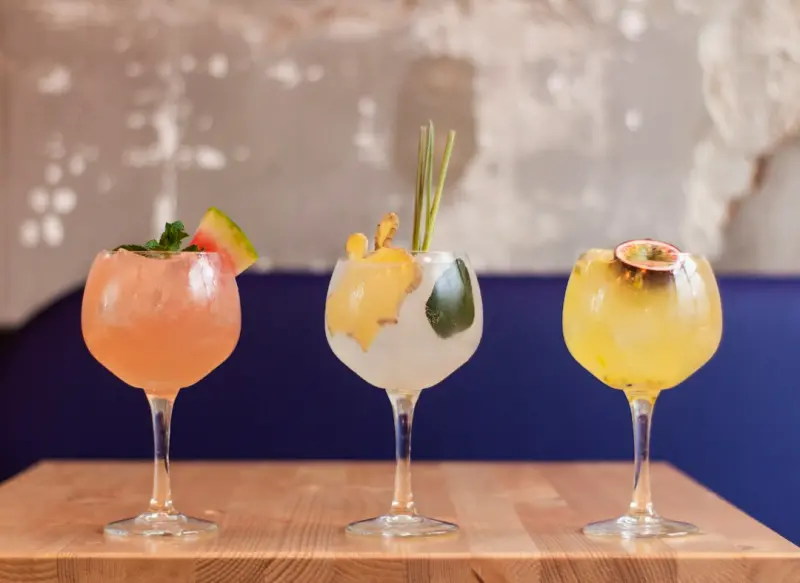
When I first walked into a speakeasy tucked behind a laundromat, I expected smoky jazz and a bartender who could juggle bottles like a circus act. What I got instead was a glass of gin that tasted like the ocean floor, a garnish of seaweed‑derived salt crystals, and a story about how the drink was born from a lab‑grown micro‑algae farm. It was a moment that made me realize the food and drink world is on the cusp of a quiet revolution—one that isn’t about flash trends or Instagram aesthetics, but about doing more with less, and letting science, sustainability, and a dash of daring imagination rewrite the cocktail menu.
The Zero‑Waste Ethos Meets Mixology
Zero‑waste has been the rallying cry for chefs for years, but the bar scene has lagged behind, clinging to the myth that “you can’t make a good drink without waste.” The truth? Waste is just an untapped flavor reservoir. Every peel, stem, seed, and even the water you discard after rinsing produce has a chemical fingerprint that can enhance a drink’s complexity. The modern mixologist is becoming a flavor alchemist, coaxing taste from parts of an ingredient that would have previously been tossed into the garbage.
Take citrus peels, for instance. Instead of the classic oil‑spritz, forward‑thinking bartenders are cold‑infusing whole peels in neutral spirits for weeks, extracting bitter and aromatic compounds that add depth without any added sugar. The result is a spirit that sings with citrus nuance, yet remains dry enough to let other ingredients breathe. In a world where consumers are increasingly scrutinizing the carbon footprint of their meals, offering a drink that proudly declares “nothing was wasted” isn’t just a marketing gimmick—it’s a genuine value proposition.
From Farm to Flask: The Rise of Plant‑Based Marine Ingredients
While plant‑based burgers have stolen the spotlight, the next frontier is the sea. Algae, seaweed, and other marine botanicals are being harvested, cultured, and refined into flavor‑dense extracts that mimic the briny, umami‑rich profiles of fish and shellfish. These ingredients aren’t just for vegans; they’re for anyone who wants a sustainable, low‑impact way to enjoy the taste of the ocean.
Imagine a martini where the vermouth is replaced by a kelp‑infused vermouth, lending a subtle mineral edge that makes the gin’s botanicals pop. Or a smoky Old Fashioned where the bitters are derived from smoked sea kelp, delivering a depth that would otherwise require a pricey barrel‑aged spirit. The beauty of these marine extracts is that they can be produced in controlled environments, far from overfished waters, and with a fraction of the water usage of traditional aquaculture.
Tech‑Enabled Flavor Pairing: AI as Your Sous‑Chef
Artificial intelligence isn’t just drafting contracts for SaaS firms; it’s also becoming a sous‑chef for the home bartender. Machine‑learning models trained on millions of flavor compounds can suggest pairings that humans might never think of—like a dash of beetroot powder to balance the acidity of a grapefruit‑forward gin, or a sprinkle of smoked paprika on a tequila‑based sour to add a whisper of heat.
One startup has released an app that scans the ingredients you have on hand, runs them through a proprietary flavor‑mapping algorithm, and spits out a cocktail recipe in seconds. The AI doesn’t just match “sweet with sour” or “bitter with salty.” It looks at the underlying volatile compounds, the molecular weight, and even the perceived mouthfeel, delivering a cocktail that feels purposeful rather than improvised.
For the tech‑savvy home mixologist, this is a game‑changer. No longer do you need a pantry stocked with exotic bitters and obscure syrups to craft something memorable. Your kitchen’s leftovers become the basis for a sophisticated drink, guided by data you trust.
Community‑Centric Cocktail Labs: Turning Bars into Hubs of Experimentation
Just as the modern restaurant is becoming a data‑driven design playground—see data‑driven restaurant design—bars are evolving into collaborative labs where patrons become co‑creators. Some urban venues now host “Flavor Hack Nights,” inviting diners to bring a piece of fruit, a herb, or even a leftover coffee ground, and work side‑by‑side with a mixologist to develop a new cocktail on the spot.
These events do more than entertain; they generate real‑time feedback loops. By capturing which ingredients spark excitement and which fall flat, bars can iterate faster than any seasonal menu rollout. Moreover, they turn the act of drinking into a community experience, reinforcing loyalty and turning casual patrons into brand ambassadors.
Zero‑Waste Garnishes: Aesthetic Meets Purpose
Garnishes have traditionally been about visual flair, but they’re also an opportunity to extract every ounce of flavor. A carrot top, previously discarded, can be torched and used as a smoky rim for a whiskey sour. Coffee grounds, once the by‑product of an espresso shot, can be compacted into a fragrant dust that crowns a dark rum cocktail, adding a subtle bitterness that balances sweetness.
Even the glass itself can be repurposed. Some innovative bars are now serving drinks in reclaimed bottles—wine bottles cleaned, cut, and fitted with custom stems—turning waste into a conversation starter. The tactile experience of holding a piece of the venue’s sustainability story in your hand adds an intangible value that goes beyond the palate.
Regulating the New Frontier: Navigating Safety and Transparency
When you start using unconventional ingredients—especially those derived from marine sources or lab‑grown cultures—regulatory compliance becomes a central concern. While the food safety framework for traditional spirits is well‑established, novel ingredients can fall into grey zones. Bar owners must stay ahead of the curve, partnering with suppliers who provide thorough testing reports and clear labeling.
Transparency also builds trust. Displaying a QR code next to a cocktail that links to a page detailing the ingredient’s origin, production method, and environmental impact turns a simple drink into an educational experience. It’s a practice that mirrors the transparency movement seen in other sectors, like the tariff transparency trend, and it resonates with diners who want to make informed choices.
Scaling the Zero‑Waste Cocktail Model
For independent bars, the zero‑waste model can initially feel daunting. However, the economics often work in favor of the sustainable bartender. By repurposing waste streams, you reduce ingredient costs and waste disposal fees. A bar that sources its own citrus peels for infusions can cut down on the need to purchase pre‑made bitters, while also creating a unique brand signature that differentiates it in a crowded market.
On a larger scale, chains can leverage bulk purchasing agreements for marine botanicals, driving down costs and ensuring consistency across locations. The key is to embed sustainability into the brand narrative from the start, rather than treating it as an afterthought.
Home‑Bar Heroes: DIY Zero‑Waste Practices
Even if you don’t own a commercial bar, you can adopt zero‑waste principles at home. Start by collecting citrus zest in a jar, cover it with vodka, and let it sit for a week. The resulting citrus‑infused spirit can replace store‑bought flavored vodkas, saving money and eliminating packaging waste.
Another simple hack: after brewing coffee, freeze the grounds in ice‑cube trays. These coffee ice cubes can be dropped into an espresso martini to chill the drink without diluting it, while adding an extra layer of coffee intensity. The leftover grounds can later be used as a rub for a smoked bourbon cocktail, completing the flavor cycle.
The Future Tastes Green (and Salty, and Sweet)
The convergence of sustainability, technology, and community engagement is rewriting the rulebook for what a drink can be. Zero‑waste cocktails aren’t a fleeting fad; they’re a logical evolution for an industry that’s finally listening to the planet’s limits and the consumer’s curiosity. As the line between food, drink, and experience continues to blur, the bar of the future will be as much a laboratory as a lounge—a place where every sip tells a story of ingenuity, responsibility, and taste.
So the next time you raise a glass, ask yourself: what was once waste is now wonder. And if the answer is a sea‑salted gin, a algae‑kissed vermouth, or a beet‑enhanced bitters, you’ll know you’re sipping the future, one responsibly crafted cocktail at a time.

Related Posts

Sip, Savor, Sustain: The New Wave of Zero‑Waste Cocktail Culture
A deep dive into the emerging zero‑waste cocktail movement, highlighting foraged botanicals, micro... Read More
Rooftop Gardens and the Flavor Revolution: Growing Gourmet Herbs at Home
Learn to grow micro‑herbs on your balcony or kitchen window, master the science of flavor, and bri... Read More
Sip Sustainably: The Emerging Wave of Climate-Ready Beverages
The beverage industry faces climate challenges, prompting a shift toward climate‑ready ingredients... Read More
Top Posts

The Best Ways To Future Proof Your Career
The modern world of work is characterized by rapid change. Technological advancements, globalization, and evolving economic landscapes are constantly reshaping ...Read More
Crafting a Data‑Driven, Sustainable Prom & Graduation Experience
Discover a modern, data‑driven approach to prom and graduation that blends digital memory hubs, AI‑personalized playlists, sustainable fashion, and low‑st...Read More
Harvesting Insight: How Canadian Farmers Are Building Data Cooperatives
Canadian farmers are forming data cooperatives that keep information on the farm, foster collaboration, and unlock new economic and environmental benefits acros...Read More

Tariff Tangles: Hidden Risks for SaaS Providers
Tariffs aren’t just a trade issue—they directly affect SaaS businesses through hardware costs, data‑center expansion, and digital duties. This post reveal...Read More
0 Comments
Post Comment
You will need to Login or Register to comment on this post!